
A Report From Wine Explorer Diego Samper
Paris, France
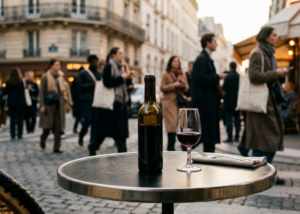
Paris has always enjoyed judging things.
Food. Clothes. My accent.
I know this well enough by now. In Paris, your foreignness often arrives before you do. You say three words to a waiter, and there it is. The reminder that you are not from here.
So maybe it was fitting that one of the biggest upsets in wine history happened in Paris.
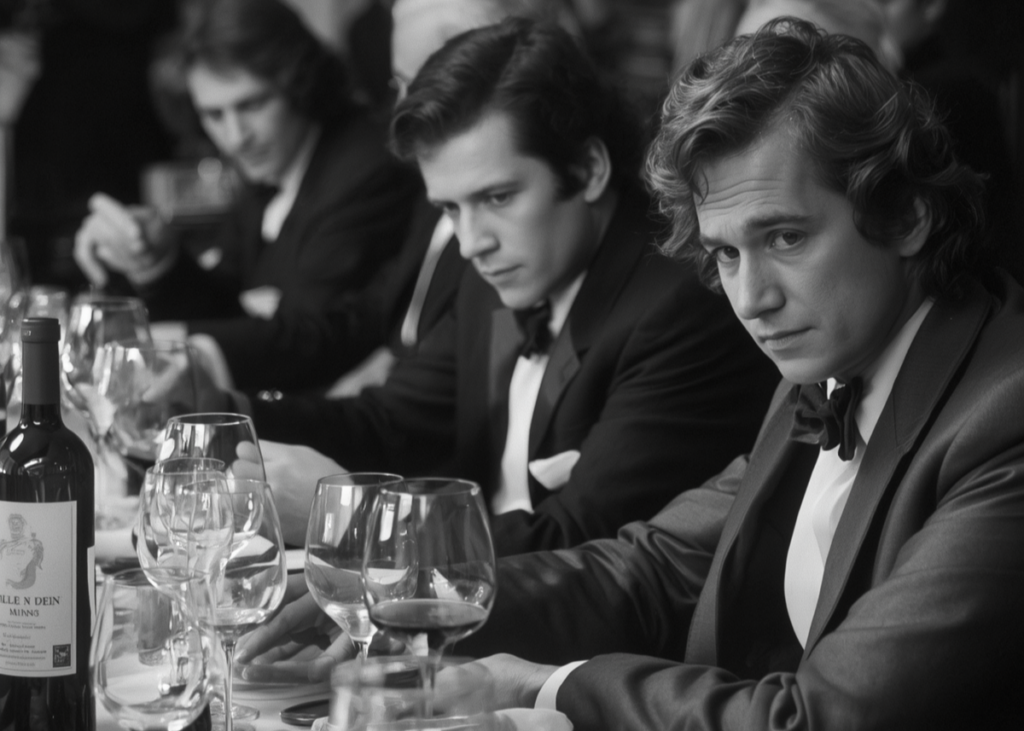
Not in a vineyard. Not in a château. In a hotel room, with a few bottles on a table, a few French judges, and some California wines that, by the rules of the old world, should have known their place.
They did not.
They crashed the party.
On May 24, 1976, France Was Supposed to Win
That was not arrogance. That was simply the order of things.
France was France. Europe had its heritage. And American wine, for many serious people, was still the underdog, still trying to find its place at the adult table.
The tasting had been organized by Steven Spurrier, a British wine merchant in Paris, to mark America’s Bicentennial. It was supposed to be a polite little comparison. A curious look at what California was doing.
Then came the part that made the whole thing matter.
The tasting was blind.
The judges did not know what was in each glass. No famous château name to lean on. No Burgundy label doing half the work before the wine touched the tongue. No old reputation whispering in the ear.
Just wine.
And when you let wine speak for itself, it can surprise everyone in the room.
The white wine that came out on top was a 1973 Chateau Montelena Chardonnay from California. The red wine that came out on top was a 1973 Stag’s Leap Wine Cellars Cabernet Sauvignon, also from California.
They had beaten some of the most respected wines from France.
It reads now like a box score:
- California over Burgundy
- California over Bordeaux
But at the time, it felt almost impossible. American wine was not supposed to walk into Paris, sit across from the old masters, and win on their turf.
When something like that happens, people do not explain it right away.
They question the scoreboard first.
That is what makes the story worth telling.
What the Judgment of Paris Really Proved
The Judgment of Paris did not prove that California was better than France. That is the lazy version.
It proved something more useful.
The old order was not fixed.
France still had its history. Europe still had its heritage. But now everyone had to admit something uncomfortable: greatness did not belong to one place.
Before Paris, the question was simple:
Can America imitate Europe?
After Paris, the question became larger:
If California could do it, who else could?
That was the aftershock.
A few bottles walked into a room where they did not belong, and the room had to change.
The Lesson Beyond Wine
I keep coming back to that idea. Sometimes the best way to change your life is to walk into a room where you do not belong.
Of course, you do not walk in empty-handed. You study first. You copy what works.
The world rewards the person humble enough to learn from the old masters. The person who looks at what already works, takes it seriously, and then carries it somewhere new.
That is what American wine did.
It did not begin by pretending France had nothing to teach. Quite the opposite. America learned from France:
- Cabernet Sauvignon
- Chardonnay
- Oak barrels
- Cellar discipline
- Vineyard selection
- The grammar of fine wine
But copying is only the first step.
The challenge is leaving the familiar.
At some point, you stop asking for permission. You take what you learned and bring it home. You put it in different soil. You let a different sun hit it. You make mistakes. You go too far. You pull back. You learn the place under your feet.
And slowly, what began as imitation becomes identity.
That is the American part of the story. Not only the wines, but the spirit.
The entrepreneurial nerve.
See what works. Try it somewhere new. Bet on yourself. Get laughed at. Keep going.
That spirit built much of American wine.
Our Spring Collection
And it is the spirit behind our spring collection.
We are not pretending to send you the wines of 1976. Those bottles belong to history now.
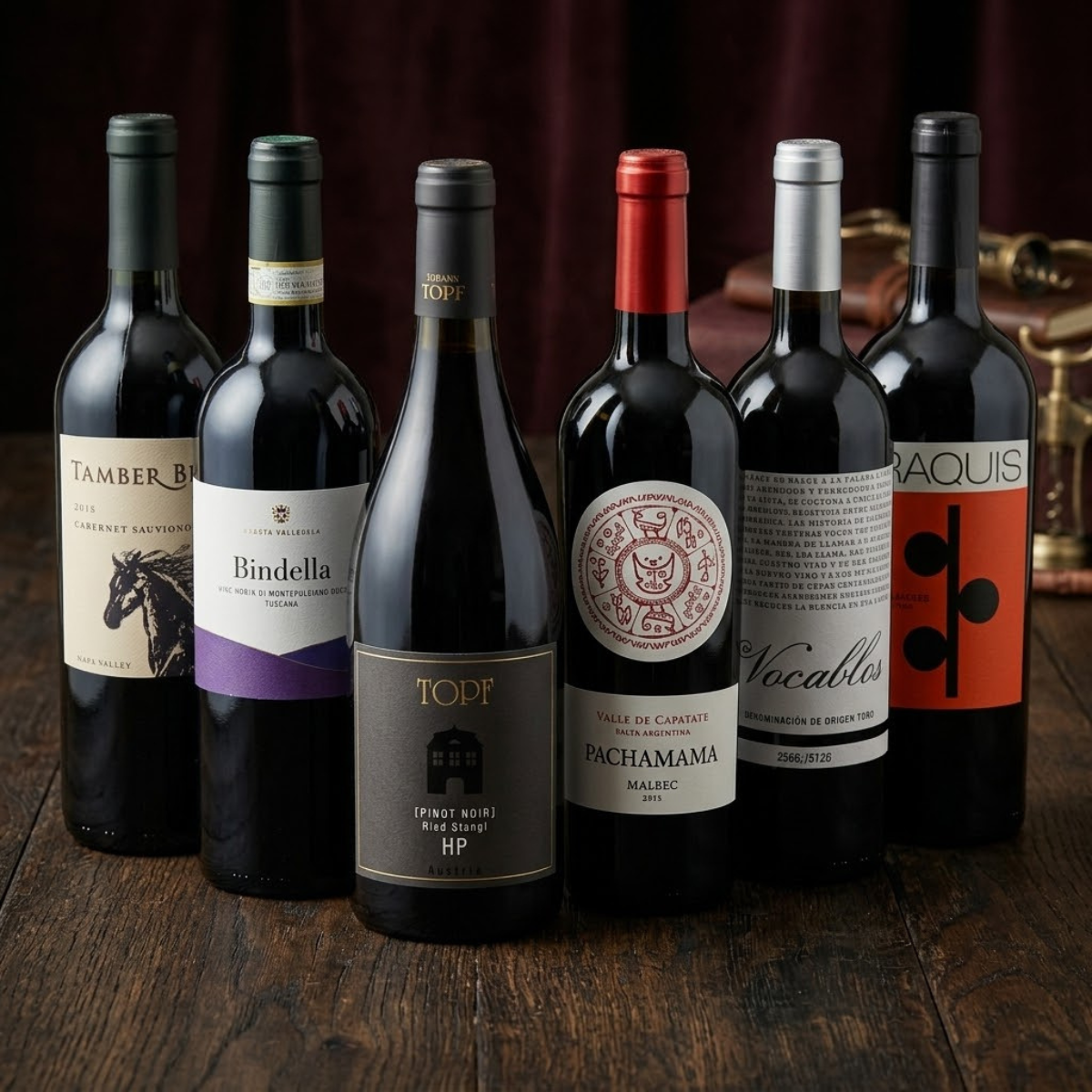
But this collection carries the story that followed: American wines with history, confidence, and a little of that party-crashing nerve.
If you are interested in having some of these wines at your table, our American collection is still available.
This is a limited shipment, and there is still time to join us before it goes out.
To your health,
Diego Samper
Bonner Private Wines
P.S.
We’re helping you stay ahead of the heat and any last-minute gift buying for Father’s Day. We just launched the 2026 Father’s Day Collection for $80 off.
- All
- Countries
- Services & Supplies
- Wines
- Collections
- Gift Cards
- Gourmet
- Wine Clubs
- Back
- Argentina
- Australia
- France
- Italy
- Spain
- USA
- Chile
- Austria
- Greece
- New Zealand
- Back
- Red
- White
- Sparkling
- Rosé