
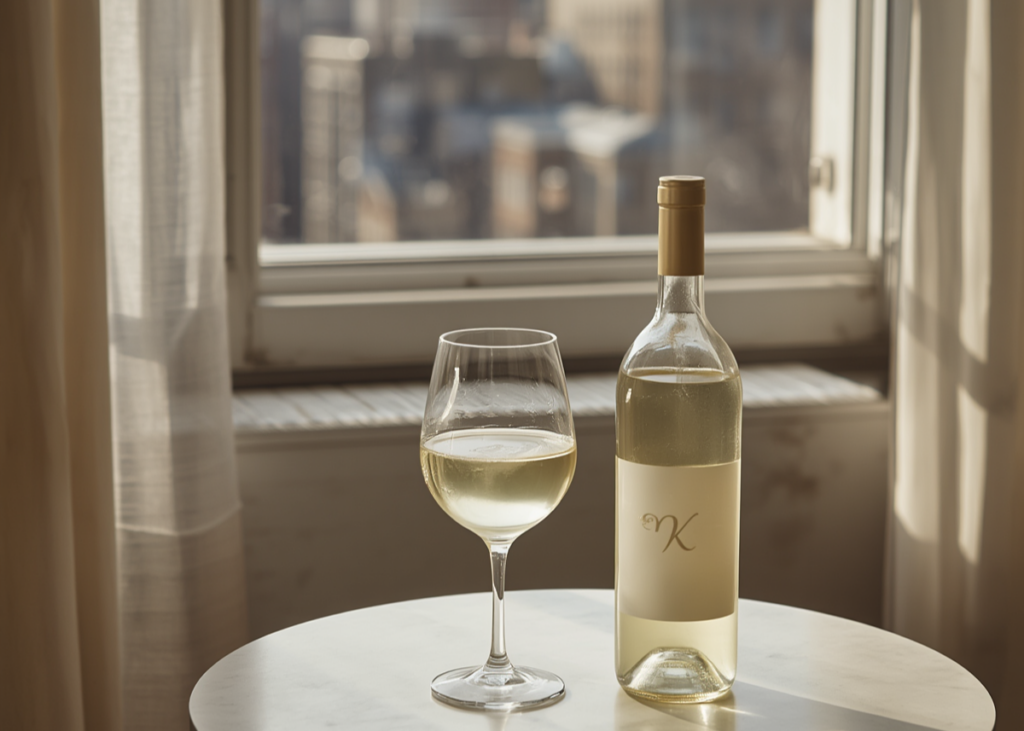
A Report From Wine Explorer Diego Samper
Paris, France
Dear Friends,
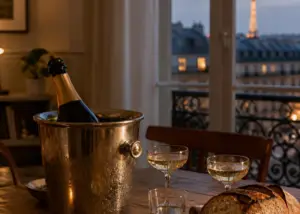
Paris is in la canicule right now.
The thermometer is flirting with 104 F, and the air feels cooked before lunch. By evening, the city does not cool down so much as surrender more slowly.
It reminds me of a summer I spent in San Antonio, Texas, a few years ago. Same heavy air. Same feeling that the day had weight. The difference is that Texas knows what to do with heat. The buildings are ready. The restaurants are ready. The air conditioning hits you in the face like salvation.
Paris is different.
Paris suffers beautifully, but it still suffers. The old buildings were made for stone, shade, shutters, and open windows. Not for the kind of summer day that turns an apartment into a slow oven. Air conditioning here is treated less like a basic appliance and more like a miracle reserved for hotels, pharmacies, and people who made better life choices.
A childhood friend was in town this week, showing his kids around Paris. We tried to see each other. We really did. But every plan started to sound unreasonable.
Lunch? Too hot.
A walk? Cruel.
Dragging children across town? A crime.
Sitting outside? Insane.
Sitting inside? Only useful if the place had air conditioning, which in Paris is less a filter than a fantasy.
So we never found the moment.
The heat won.
That is what la canicule does. It does not just make you sweat. It edits your life. It cancels the walk, shortens the meal, changes the menu, and makes every social plan begin with the same question: “Will there be shade?”
This is when entertaining changes.
You stop imagining a grand dinner and start thinking like a survivor with guests. Something cold in the fridge. Something salty on the table. A few plates that do not require turning the kitchen into a furnace. Shrimp. Goat cheese. Empanadas. Tomatoes. Potato chips eaten too early. Someone pretending to help while drinking the first glass.
And that is when white wine earns its keep.
Not as a trophy. Not as a lecture. As hospitality.
Something cold to put in someone’s hand when they arrive sweating, apologizing, and pretending they are fine.
When the First Glass Gets It Wrong
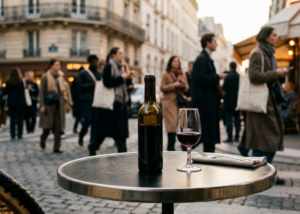
That afternoon, I did what anyone would do. I ducked into a café, ordered a glass of Chablis, and waited for relief.
Chablis should be perfect in that moment. Cold, sharp, mineral. The white wine equivalent of stepping into the shade.
But this one did not land.
Maybe it was too warm. Maybe it was tired. Maybe it was simply not a great bottle. I do not know. But I remember thinking: this would be a terrible first impression.
If this were your first glass of Chablis, you might decide Chablis was overrated. If this were your first week in Paris, you might decide the city was impossible.
And that would be unfair.
Because Chablis is not just “Chablis.”
It is Chardonnay.
Chardonnay from the northern edge of Burgundy, where the grape is usually asked to be lean, sharp, mineral, and quiet.
That is the funny thing about Chardonnay. Many people who say they do not like it may actually like Chablis. They may like Champagne made with Chardonnay. They may like the grape when it is not dressed up in the style they learned to avoid.
For many drinkers, Chardonnay stopped feeling like a grape and started feeling like a recipe.
The barrel spoke first. Then the texture. Then the toast, the creaminess, and the cellar choices. In the right hands, all of that can be beautiful. But in too many bottles, the vineyard became the background and the winemaking became the main character.
So people walked away from Chardonnay.
Except sometimes, without realizing it, they walked right into a glass of Chablis and liked it.
That is what bad first impressions do. They make us think we know the whole story when we have only met one version.
A city in a heatwave. A grape in the wrong hands. A bottle opened on the wrong day.
First impressions matter. But in wine, second chances matter more.
I had a conversation like that recently. Someone told me they did not like Torrontés. Fair enough. We all have grapes we avoid. I asked which Torrontés they had tried. They could not remember. I asked when they had tried it.
“Years ago,” they said.
And that was it. One forgotten bottle, from some forgotten producer, opened at some forgotten moment, had become the whole story.
Torrontés equals bad.
I think something similar happened there.
My feeling is that Argentina exported Torrontés before enough producers had figured out how to show its best side. The grape had personality. No question. It had flowers, citrus, peach, herbs, and that unmistakable Argentine brightness.
But sometimes it had too much of everything. Too much perfume. Too much weight. Too much of that “look at me” quality that can be exciting for the first sip and exhausting by the second glass.
It was like meeting someone who tells you their whole life story before the appetizers arrive. Interesting, yes. But you also start looking for the waiter.
That is not the Torrontés I want to show you.
The better versions still have the nose. They should. That is part of the pleasure. But they are also dry, bright, fresh, and alive. They sit next to food instead of standing on the table and asking for applause.
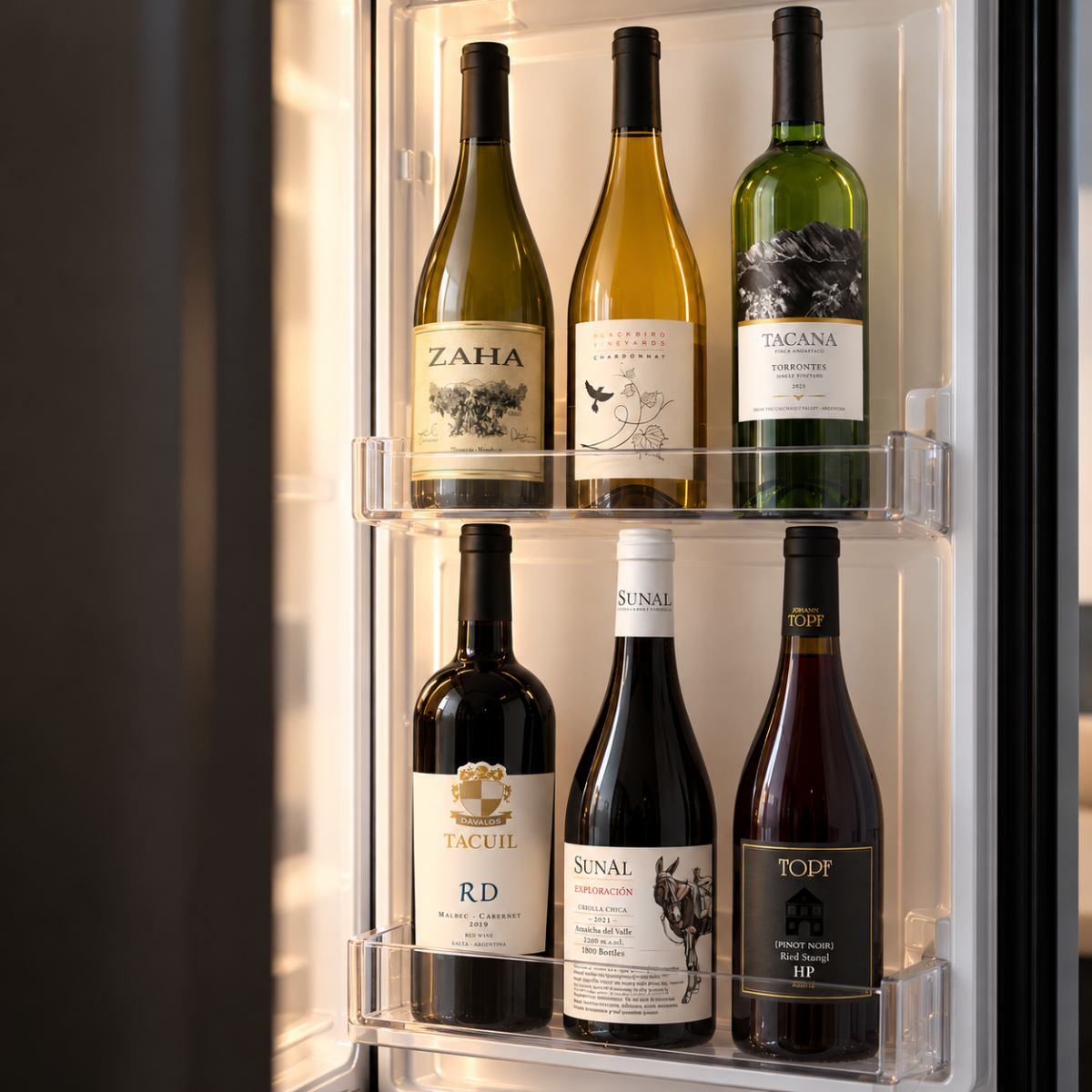
The Fridge-Door Collection
That is why I wanted to build a small summer white collection around this idea. Not just white wine for summer. A second chance collection.
We have Tacana Torrontés, from our own corner of the Calchaquí Valleys. We have Mayuco Torrontés, from one of the most honest and remote wine places I know in Salta. We have Zaha Chardonnay, which gives us another side of Argentina’s white wine story. And we also have Blackbird Chardonnay from our US collection, for those who want to revisit Chardonnay from the American side of the conversation.
These are wines for the dog days. For the hour before dinner. For shrimp, empanadas, roast chicken, goat cheese, fish tacos, spicy noodles, or potato chips eaten before anyone admits they are hungry.
Think of it as a fridge-door collection. Bottles waiting for the moment someone says, “Should we open something?”
Yes.
Open something cold, bright, and a little unexpected.
You can see the summer white collection here: [Explore the Fridge-Door Collection]
If you are reading this in the U.S. with the AC humming, enjoy it. Pour a glass to the rest of us sweating through old European walls and pretending a fan is enough.
Then open something cold before the heat wins.
And if Torrontés disappointed you once before, I understand.
Bad first impressions happen.
But every now and then, the second glass tells the better story.
To your health,
Diego Samper
Wine Explorer
- All
- Countries
- Services & Supplies
- Wines
- Collections
- Gift Cards
- Gourmet
- Wine Clubs
- Back
- Argentina
- Australia
- France
- Italy
- Spain
- USA
- Chile
- Austria
- Greece
- New Zealand
- Back
- Red
- White
- Sparkling
- Rosé