
Father’s Day Collection 2026
$365.00
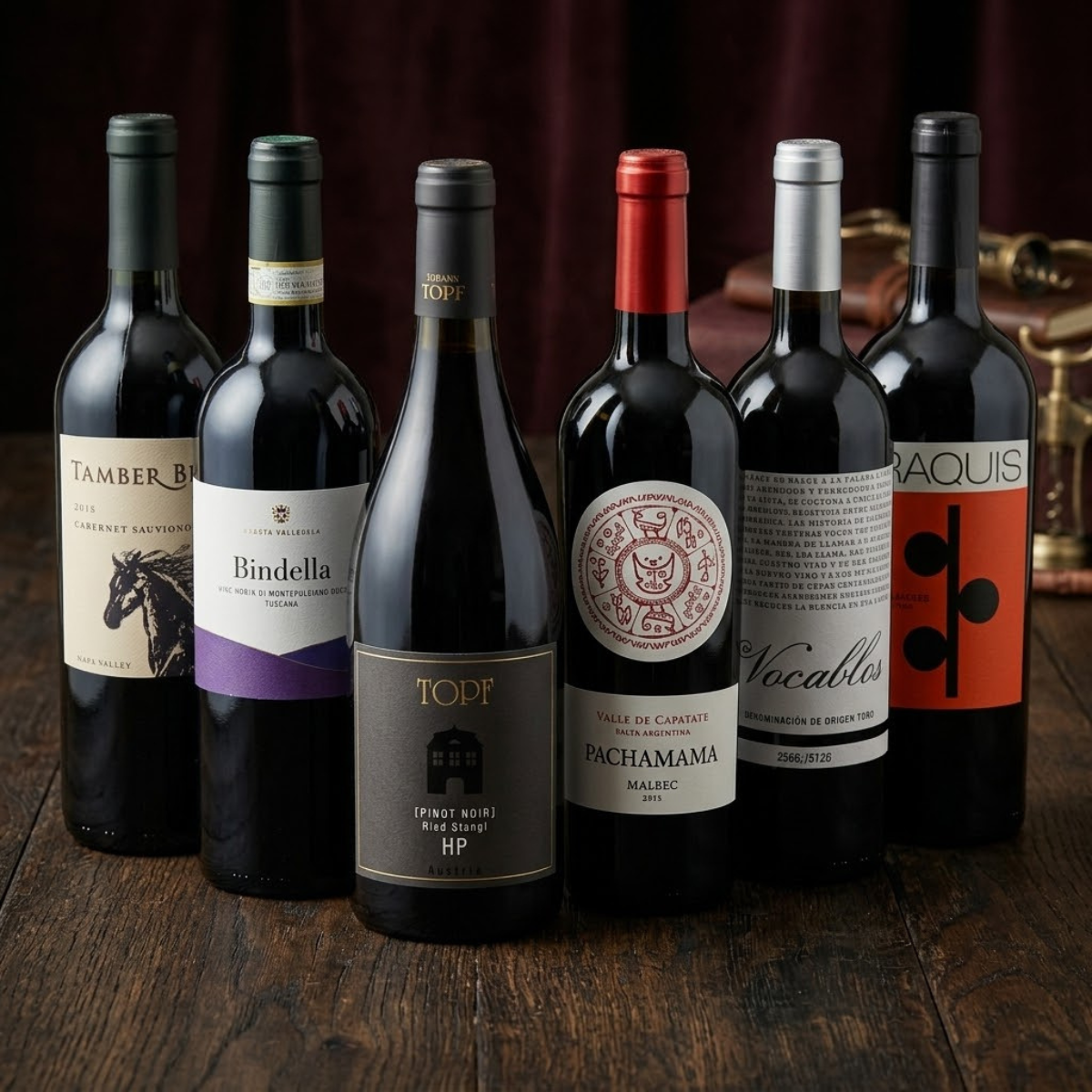
Six bottles from six small producers — Argentina, Italy, Spain, California, and Austria. Each one sourced by hand, each one chosen because it’s genuinely worth opening. A collection for the man who knows the difference.
$80 off for a limited-time
Read below for more details on the wines included…
64 in stock
Minimum order is 3 bottles. You can mix any wines.
Ships from Sonoma, CA, Monday to Wednesday. Shipping details
From the vineyard to your glass.
There’s a certain kind of wine drinker who doesn’t need a label to tell him what to think.
He’s opened enough bottles to know the difference between a wine that’s been engineered for a score and one that’s been made by a person with a point of view. He can taste the altitude. He can feel the tannins that come from old vines rather than new oak. He doesn’t need the sommelier’s speech — he just wants a good glass and maybe a few minutes of quiet.
This collection is for him.
We put it together by going back through our cellar and asking a simple question: which bottles haven’t moved in a while — not because they’re lacking, but because we simply haven’t told their story loudly enough? The six we landed on are among the most interesting wines we’ve offered in recent memory. Each one comes from a small producer who answered to no one but his own instincts.
Bodega Domingo Hermanos “Pachamama” Malbec 2017 — Cafayate, Argentina
The Domingo Hermanos winery sits at over 5,500 feet in the Calchaquí Valley of Salta — one of the highest wine-growing regions on earth. At that altitude, the vines struggle, the UV exposure is extreme, and the diurnal temperature swings are punishing. What you get in the glass is a Malbec unlike anything from Mendoza: darker, more concentrated, with a tannic structure that needed years to soften. The 2017 is nine years old now. It’s arrived.
Raquis Las Bases Malbec 2022 — Mendoza, Argentina
Bodega Raquis is the kind of small Mendoza producer most wine drinkers outside Argentina will never hear about — unless someone like us makes a point of tracking them down. Las Bases is their entry-level expression, which in Raquis’s case means a Malbec that most wineries would bottle as their flagship. Dark fruit, well-structured tannins, a long finish. Drink it now or hold it three more years — either way you win.
Tenuta Vallocaia “Bindella” 2018 — Montepulciano, Tuscany
The Bindella family has been farming this estate in the Tuscan hills for decades. Their Vino Nobile di Montepulciano is made primarily from Prugnolo Gentile — the local clone of Sangiovese — grown on clay-rich soils that give the wine its characteristic grip and earthiness. The 2018 has had seven years in bottle to pull itself together. It’s serious without being severe, and it will hold the table the way a good Tuscan red should.
Vocablos Bodegas Félix Sanz 2019 — DO Toro, Castilla y León, Spain
Grown in the harsh, windswept plateau of Toro — at over 700 meters, in sandy, stony soils with almost no irrigation — it produces something altogether more concentrated and severe. The vines Félix Sanz works are old. Some of them are centuries old. They yield almost nothing, which is exactly the point. What little fruit they give goes into Bordeaux barrels for more than twelve months, and what comes out the other end is a wine of serious intensity — dark fruit, cocoa, leather, the unmistakable grip of ancient vines doing what they’ve always done. Only 5,120 bottles were made from the 2019 harvest.
Tamber Bey Vineyard Cabernet Sauvignon 2018 — Napa Valley, California
There are Napa Cabs that spend their careers trying to impress you, and then there are ones like this — wines that are quietly confident in what they are. The 2018 vintage was one of the finest in Napa in the last decade, and Tamber Bey made the most of it. Rich cassis fruit, integrated oak, the kind of structure that means this bottle will still be drinking beautifully in five years if you can leave it alone that long.
Weingut Topf Pinot Noir Stangl HP 2018 — Kamptal, Austria
Austrian Pinot Noir is one of the wine world’s best-kept secrets, and the Stangl HP from Weingut Topf is a fine example of why. The Kamptal region produces Pinot with a translucence and precision you don’t often find outside Burgundy — but with an alpine freshness that’s entirely its own. This is the bottle in the collection most likely to surprise whoever opens it first.
How your wine gets to you.
Three bottles or more
Mix and match anything in the cellar. We pack from three bottles up: less waste in boxes and freight.
Ships Monday to Wednesday
From our warehouse in Sonoma, California, with UPS. Orders after 11am PT Wednesday ship the next Monday.
Planned around the weather
Depending on conditions we may add ice, use cold-chain shipping, or hold a shipment until it's safe.
Adult signature
Someone 21 or older signs for the box and shows ID. We can't ship to P.O. boxes.
Ground usually arrives 7–10 business days after it ships; 2-Day within 2 business days. We ship within the US only, and not to Arkansas, Delaware, Mississippi or Utah. Alaska and Hawaii ship by air for an extra fee. Shipping FAQs
You might also like.
Related products
Ask a real person.
Pairings, gifting, or which bottle to open first. Our team knows these wines and the people who make them.
Monday to Friday, 9am–5pm EST. No bots, no phone menus.