
“In victory, you deserve Champagne; in defeat, you need it.”
— Napoleon Bonaparte
February is that month—the last gasp of winter keeping us from the rush of spring, the warmth, the good stuff. It’s when gym memberships quietly get canceled, when the gray sky overstays its welcome, when everything feels stuck in place.
Paris isn’t helping. No sun, no vitamin D, maybe no melatonin. Who knows? I’m tired.
After the wine fair, my inbox exploded. I could barely catch my breath.
And then, in a moment of hubris, I thought I could cheat a slow-simmered ragù—cramming hours of love into minutes.
Big mistake.
Last week, I left you hanging with my Valentine’s plan—dodging the rookie traps of flowers and chocolates like some lovesick fool.
Well, buckle up. Because Valentine’s didn’t just flop—it crashed and burned in a salty, simmering disaster.
The sauce reduced into a briny mess. My partner caught my wide-eyed panic, stirring that mess like a madman, and just grinned.
“Well,” she drawled, “at least we have good wine.”
Thank God for that lifeline.
The Wine That Saved the Night
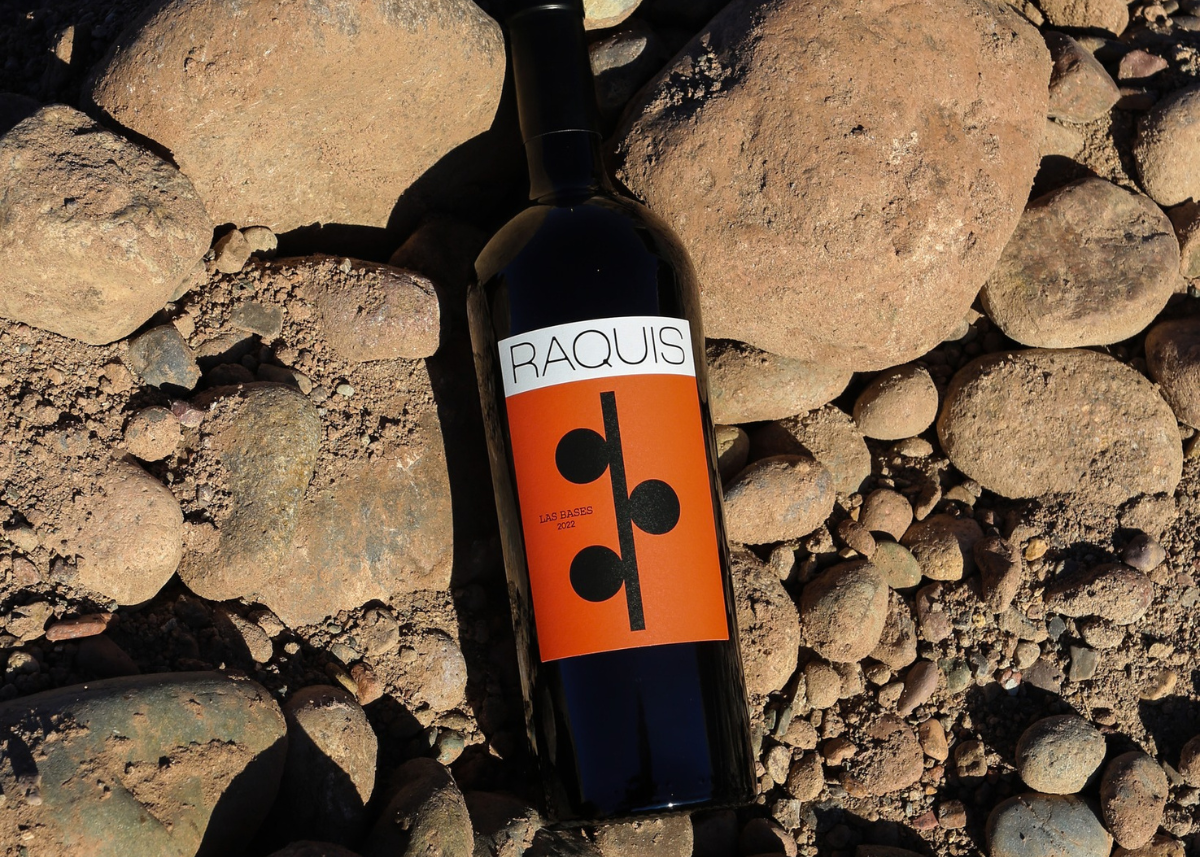
The wine? Raquis Altamira Malbec/Cabernet Franc from Mendoza.
Bold. Brooding. A bottle I was saving for a good moment—a bottle you can’t even find here in France.
I brought it back from Argentina myself, knowing I wouldn’t come across it again.
And now, I’ve managed to get my hands on a few more Raquis wines for you—not much. Just a few cases. No more than 2,500 bottles made of each, and I could only secure 84 bottles total.
I’ve put them together in an extremely limited (even by our standards) collection.
Raquis Altamira is made by Andrés Vignoni, a rising star you might recognize from our latest Argentine Collection. This Altamira comes from his second solo harvest.
It’s a knockout—dark fruit, spice, rolling over my tongue like a thunderstorm after that salty ragù disaster.
Salvaging the Night
We scraped by with a crust of bread, a bite of pasta we could stomach, a heap of greens tossed in oil and vinegar, and a slice of dessert.
And laughter—because what else can you do?
The sauce was my own fault: too much pressure, too little time. But the Raquis saved the night, its richness cutting through the chaos like a rebel yell.
(The ragù was redeemed the next day with a can of tomatoes, slow-cooked into something richer and deeper—enough for a week’s worth of leftovers.)
Wine has that way of turning disaster into something worth remembering.
Because wine comes from places where things aren’t easy. It’s wrestled from stubborn soil, braves brutal weather, and tests the patience of the people who make it. It’s a fight—one you taste in every glass.
Just like that ragù needed time to find redemption, just like a tough harvest pushes winemakers to the brink, the best things aren’t just made.
They’re fought for.
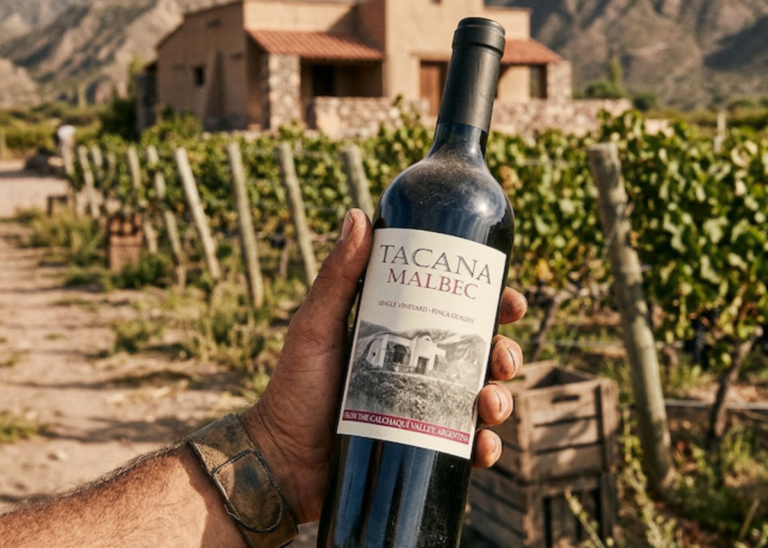
A Report from the Calchaquí
And up north, there was more than one battle this week.
In the valleys, the real fight was happening.
Vineyards were doing their best to harvest grapes while dodging floods, mudslides, and roads that barely held together.
Tough times make tough men, and this harvest is proving just how much grit it takes to make wine in Salta.
For a moment, there was panic.
“Is that bridge going to hold?” asked our winemaker, Raúl, last week, as rain came down in sheets, rivers swelled, and roads turned into slick, unpredictable messes.
Anything for the Grape
You already know the winemakers in Salta’s wild Calchaquí Valley never have it easy. The lower-valley harvest is firing up—a glorious, muddy mess.
Out there, there’s no such thing as light rain. It’s either bone-dry or an all-out assault from the heavens. Last week was a true deluge.
One storm, and the roads turned into slick death traps, flash floods carving through the dust.
The roads are really more like dry riverbeds, just waiting to betray you. Tires spinning. Drivers cursing. Vines defying the odds.
Back in 2012, rains like these stranded Will Bonner in the valley, cutting him off from the world for days. No way in. No way out.
When the roads finally cleared, something had changed—a deeper bond with the land, and an understanding that the best wines come with risk.
Some years, entire harvests are lost, stranded by impassable roads. Even today, big wineries wouldn’t touch this place. They’d rather buy Salta’s juice cheap, slap their label on it, and call it theirs.
Not us.
That’s our promise, Explorers. No mass-market sludge in our Argentina Collection.
We take the hard road—the one fewer people dare to travel—because the result is worth it.
Each bottle is a testament to the land, the hands that work it, and the extremes it takes to create something this pure.
Why Raquis Fits the Story
Raquis, being from Mendoza, is an outlier for our Partnership. But it proves the point: the best wines are the ones that demand extra effort.
Like the wines from Salta, these aren’t mass-produced. They’re made in small batches, with intensity, precision, and heart.
Will we ever get them back? Hard to say.
The extra effort makes these wines feel like first editions. Once they’re gone, they’re gone.
So let’s talk.
What did you think of the collection?
How did it pair with your meals?
Which bottle surprised you?
I’d love to hear.
Closing Thoughts
As for Valentine’s—and Napoleon’s wisdom—the pressure of choosing the perfect plan, the perfect gift? It bites back.
But I’ll stand by my decision.
At least my Valentine proved herself a fantastic companion.
Nights like that are stress tests. They’re the only way to know what’s built to last. Just like a tough harvest, they show you what can weather the storm—and what falls apart.
Because in the end, it’s not just about the wine, or the meal, or even the perfect moment.
It’s about the story you get to tell afterward.
Cheers,
Diego