
A Report from Wine Explorer Diego Samper
San Ġwann, Malta
Unexpected Weather, Unexpected First Impressions
The wind was strong enough to push the rain sideways. Not the kind of weather you expect in Malta.
Locals say it’s not common. They also say their wine is the best. I might defer.
Which is how these things usually go. You come looking for one version of a place. You get another.
In front of the flat I’m staying in, there are ruins. Not fenced off. Not hidden. Just there. Construction grows around them. It has to.
Malta sits between worlds. Closer to North Africa than mainland Europe. A short jump from Sicily. Not far from Libya. Small island. Heavy history.
The Phoenicians were here early. Traders who did not just move goods. They moved habits. Vines among them. Maltese wine history is commonly traced back to Phoenician times, and Malta’s own tourism materials place some of the earliest evidence of winemaking on the islands in Punic times.
They spread vines and wine culture across the Mediterranean, carrying cuttings and planting vineyards wherever they settled. The Greeks and Romans would later expand on it. The Phoenicians are widely credited with introducing wine culture to the Maltese Islands and trading it across the Mediterranean.
They carried wine in amphorae. Sealed. Stacked. Moved across the sea.
Wine was not a luxury. It lasted longer than most things you could carry. It traveled. It moved.
So wherever they stopped, vines followed.
And Malta was one of those stops.
Then came everything else. Empires, orders, flags. Malta has been taken, rebuilt, defended, over and over.
During World War II, it became one of the most bombed places in Europe. Official and heritage sources note thousands of bombing raids on the islands and describe Malta as one of the most heavily bombed places of the war.
You do not need a history book to feel that. It is in the way the place holds itself together.
You see it walking.
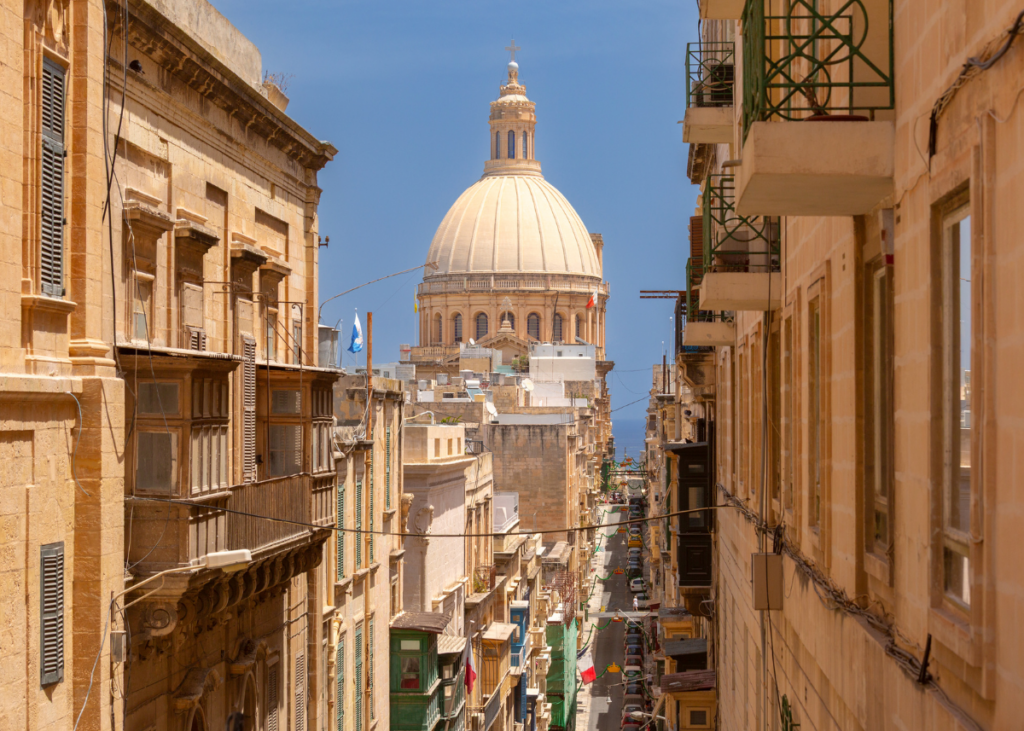
Small streets. Turns that do not make sense until they do. They drive on the left. English comes easy, then disappears into something older.
New buildings rise next to old relics. Some preserved. Some barely holding. Nothing fully separated. It all exists at once.
Marinas. Yachts. Long wine lists. Bottles lined up more for showing than for drinking.
I will take your food over your wine. Fresh seafood. Good products. And an island in a strategic position, pulling things in from all over the world.
Then you get to Mdina.
Quiet. Stone. Narrow streets that feel untouched. Churches that do not ask for attention but hold it anyway. Small places serving what people actually eat. Pastries filled with ricotta and peas. Warm. Simple. Enough.
Good Friday, Local Grapes, and a Sense of Place
Good Friday makes the whole island feel slower.
This is not decorative Catholicism. Holy Week and Good Friday processions remain a visible part of Maltese life, with statues, bands, and parish rituals moving through town streets.
Saints carried on shoulders. Names you have to translate. Same saint, different name. You recognize the figure, just not the word. Like a grape growing somewhere else under another name.
Even in this weather, it happens.
Maybe especially in this weather.
Wine here follows the same rhythm. Quiet. Local. Slightly unexpected.
Grapes like Gellewza and Girġentina do not travel far. They stay here. Maltese wine production is small, and local grapes remain closely tied to the islands’ identity.
There is a saline edge to the wines. Sea air, limestone, maybe even the water. Something in the place shows up in the glass.
You probably will not see many wines from Malta in our club. Production is small, and most of it stays here.
But if you come across one on a list, it is worth trying.
Nothing lines up the way you imagined. No sun. No postcard. Just wind, water, and a slower pace you did not plan for.
So you zip up your jacket and keep walking.
And somewhere along the way, you realize something.
Wine has always been a kind of compass. Not pointing north, but pointing you back to where you are.
Stone. Wind. Salt.
And still, in the glass, a hint that the sun had been here before.
Diego Samper
Wine Explorer
P.S. Limited Release Closing Soon
We’re closing the doors to the Tacana 2024 release on Sunday. I don’t say this about many wines, but Tacana is the real thing: the place, the altitude, the people behind it. Eight vintages and not one left over. If you’ve been on the fence, I’d get off it before Sunday.
Click here to reserve what’s left of the Tacana 2024 vintage