A Report From Wine Explorer Diego Samper
Paris, France
Every market has its theater.
In New York, they still ring the bell.
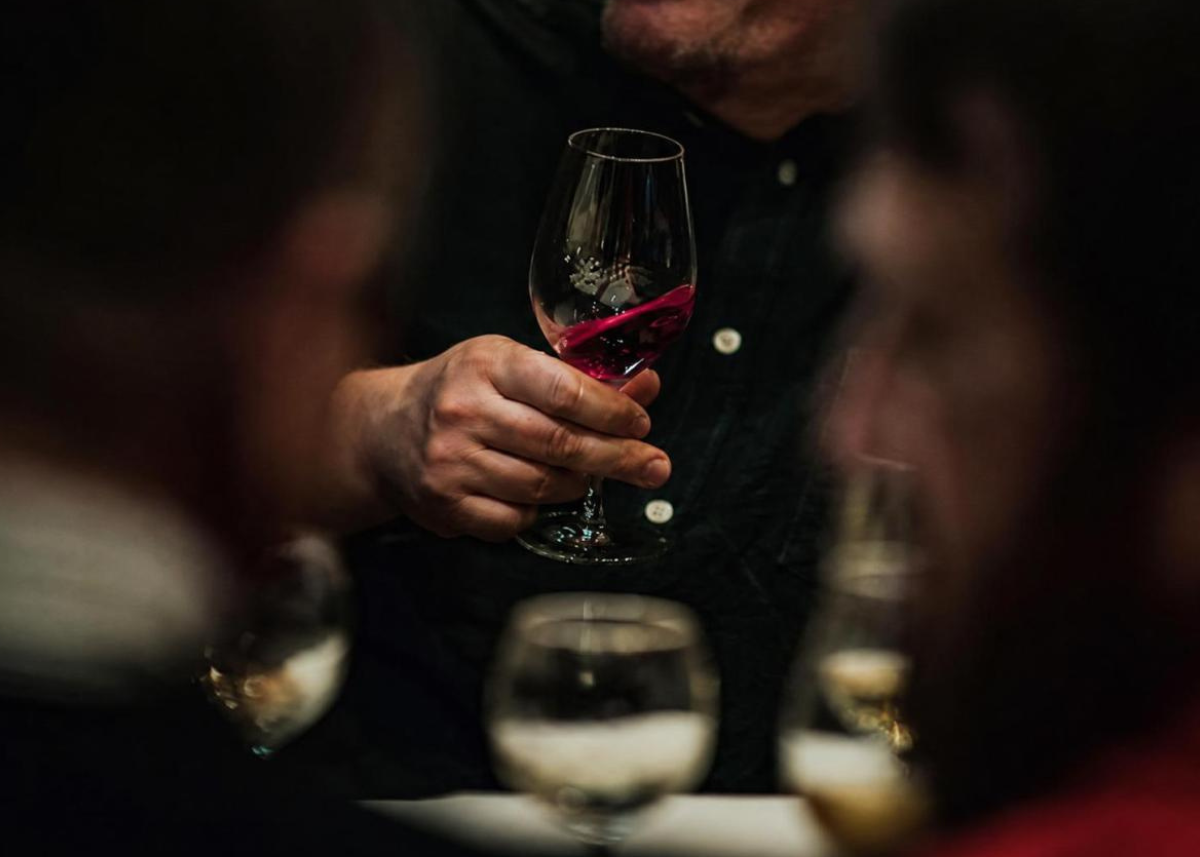
In Bordeaux, they taste the future.
They call it en primeur.
Not the finished bottle. A sample. A glimpse. A young wine still arguing with itself.
Each spring, Bordeaux asks the wine world to judge wines before they are finished, before they are bottled, and before anyone can pull a cork and know the truth.
It is wine futures. Buyers taste young barrel samples, decide what they believe, and commit before the wine is ready to drink.
In Bordeaux, talk is cheap until someone asks for allocation. Then reputation, capital, and cellar space are on the line.
A critic can praise a barrel sample. A merchant can admire the vintage. But belief eventually has to become an order.
Négociants decide how much wine they are willing to carry. Merchants request allocations. Restaurants think about future lists. Buyers decide whether a wine that does not fully exist yet is worth cash, patience, and risk.
Most of the time, you order a bottle from us, it arrives, you open it, and the verdict is right there in the glass.
Bordeaux asks for something stranger these days.
Patience.
For now, Bordeaux 2025 sounds like a vintage worth paying attention to. The best early reports point to freshness, balance, moderate alcohol, and real aging potential. But it is not a year for blind enthusiasm. The lesson is not “buy Bordeaux.” The lesson is “choose carefully.”
You have probably heard the expression:
“This wine needs time.”
In Bordeaux, that means something specific.
A young red built for aging is not supposed to give everything away at once. It can feel firm, tight, even closed. The tannins may grip. The oak may still be visible. The fruit may feel dark and buried.
That does not mean the wine is bad.
It means the wine is young.
Bottle age gives wine time to stop being a collection of parts. Fruit, tannin, acidity, oak, and alcohol can feel separate, like musicians tuning before the concert starts.
Time lands the wine.
The tannins soften. The oak fades. The fruit becomes less loud and more interesting. Fresh berries can move toward dried fruit, tobacco, cedar, earth, leather, and spice.
Power can turn into grace.
But not every wine deserves your patience.
So What Are the Foundations?
Deep fruit, not jammy fruit. Tannin that grips, but does not scratch. Freshness. Balance. A finish that stays. And a producer with the discipline to make wine for the long road.
Many of you understand this from investing.
You do not buy a good company because the price moved that morning. You buy because you believe the foundations are there.
Wine is not the same, of course. A cellar does not promise a return. A famous label does not save you from a bad price.
But the logic rhymes.
If the foundations are strong, patience becomes part of the pleasure.
That is why I recommend buying more than one bottle when you find something you believe in.
One bottle gives you an opinion.
A case gives you a ritual.
You open one when it arrives, maybe too early. You open another a year later. Then another. You watch the same wine change.
I have made all the mistakes here.
I have opened bottles too early because I was impatient. I have waited too long because I was trying to be clever. And I have opened something at exactly the right moment, only to realize I should have bought more.
That is part of the game.
It is why I almost never buy one bottle of something I plan to forget about.
One bottle is a snapshot.
A case is a story.
La Place de Bordeaux
Behind all this is the old Bordeaux machine: La Place de Bordeaux. Despite the name, it is not really a place. It is a network of châteaux, courtiers, négociants, merchants, and buyers.
Think of the New York Stock Exchange. Most trading happens on screens now, but the floor and the bell still matter. Rituals give money a room.
La Place does something similar for wine.
The 2025 campaign already shows how strange Bordeaux can be. At the trophy end, Château Lafleur 2025 was reportedly offered in the UK at around £1,800 for three bottles in bond. Tiny production. Allocation only.
But the same Guinaudeau family also makes Le Grand Village, a far more accessible wine. The 2025 was reportedly offered at around £89 for six bottles in bond.
That does not mean the two wines are comparable. They are not.
But it shows the lesson.
In Bordeaux, the famous bottle may be almost impossible to get. The smarter bottle may be hiding nearby. One teaches scarcity. The other teaches value.
This is what en primeur really teaches.
Not just how collectors buy unfinished wine.
How patience works. How a young wine can be awkward and still full of promise. How a case can become more than inventory. How the same wine can meet you differently every year.
In New York, they ring the bell.
In Bordeaux, they taste the future.
The rest of us get to decide whether that future is worth waiting for.
Diego Samper
Wine Explorer
P.S.
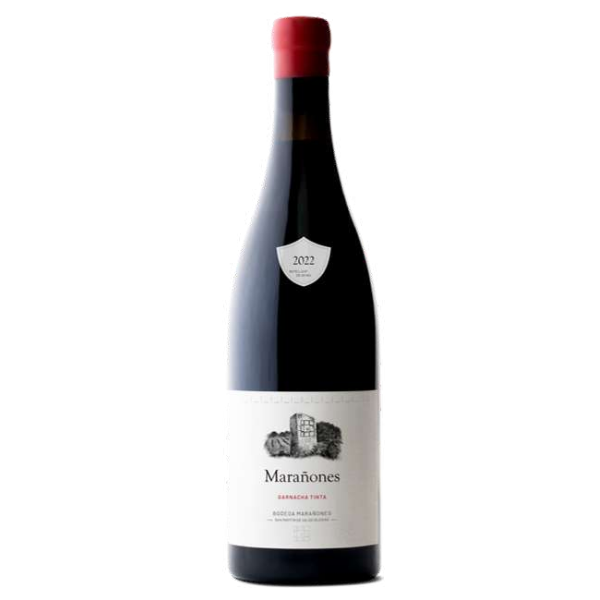
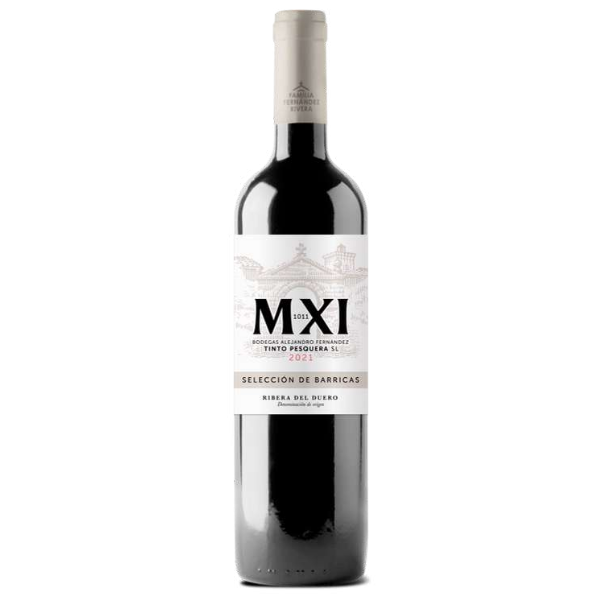
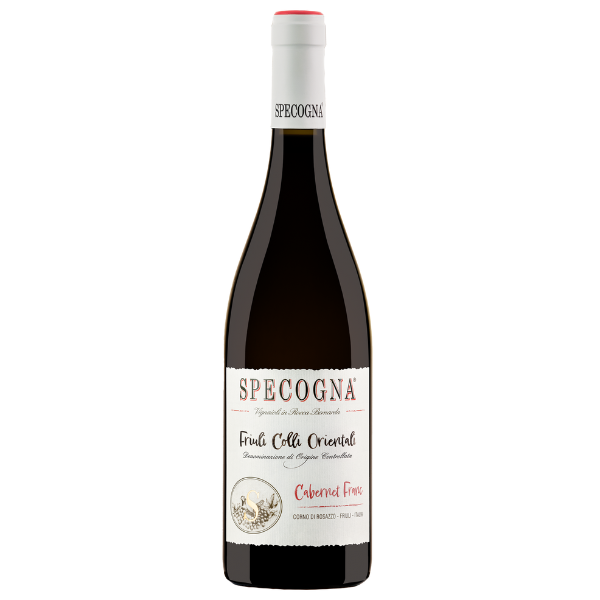
Want to skip en primeur and drink now? We have bottles ready for the long weekend. And before the summer heat makes shipping harder, this is a good time to stock up.