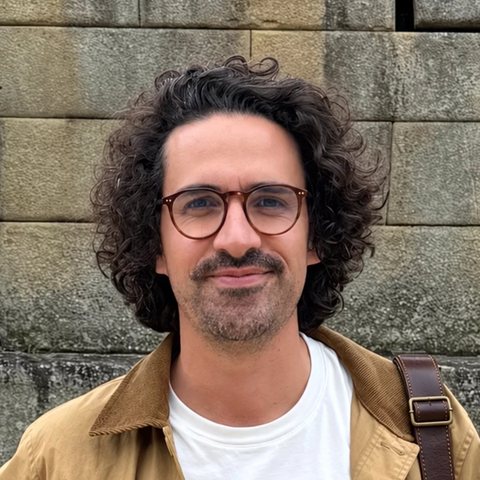

A Report From Wine Explorer Diego Samper
Paris, France
What usually changes first is not reality.
It’s the words.
The language softens. The tone shifts. Certainty fades. And only later, sometimes much later, do the results show up — if they show up at all.
Markets have a phrase for this: buy the rumor, sell the news. It’s a reminder that perception almost always moves faster than facts, and that by the time something feels obvious, the moment has often passed.
I’ve been thinking about that lately — about how words change before outcomes do — and how that applies not just to markets, but to alcohol, wine, and places like Argentina.
Just last week, the news cycle was dominated by dramatic reports about Venezuela’s former president appearing in U.S. federal court after his capture. Headlines multiplied quickly. Every politician, actor, singer, and country seemed to take a side within hours.
I did what I usually do when the noise gets loud.
I asked my Venezuelan friends.
Then I went back to something quieter, but just as revealing.
When Language Shifts Before Reality
For years, the official language around alcohol in the United States was rigid, confident, and numerical:
One drink per day for women
Two drinks per day for men
As if drinking were a dosage, not a behavior shaped by culture and context.
That language has softened now. Not because alcohol changed, but because the words finally did. Guidance moved away from strict counts toward something looser and more human: drink less, be mindful. An acknowledgment that context matters more than math.
A pint, a mini glass, or a generous pour means something very different depending on whether you’re at Oktoberfest or on the couch at home. Same liquid. Completely different ritual.
A glass of wine in Argentina, France, Italy, or the United States doesn’t carry the same rhythm or meaning either. Same bottle. Different pace. Different company. Different reason for being there at all.
And yet global health bodies have long tried to compress that complexity into universal numbers and thresholds. The intention may be public health, but the result often ignores culture entirely. Reducing lived behavior to a single standard was always awkward.
Once you start paying attention to context instead of numbers, it’s hard not to apply the same lens elsewhere.
Argentina, Context, and Accidental Winemaking
In a quiet way, that’s also how our wine club began in Argentina. Not because we set out to start there, and not as part of some grand plan. We became winemakers by accident, and Argentina is simply where that accident took place.
It also happens to be a country that has lived with political and economic instability for as long as most people can remember. It’s part of daily life there, woven into how people work, save, spend, and gather around the table.
Starting in a place like that taught me something early on:
Context matters more than certainty
Culture outlasts policy
You learn far more by staying close to the ground than by reacting to headlines
Which brings me to a question I’ve been getting more often lately:
How is Argentina doing?
When the Tone Changes
Last year, the headlines were loud. Strong language. Strong reactions. Big promises. Big fears.
When Javier Milei was elected, the spectacle dominated coverage. The chainsaw made good copy. Skepticism came easily, and often deservedly.
A year later, the tone feels different. Not triumphant. Not settled. But different.
The world seems to be adjusting to the idea that Argentina might actually be changing — slowly, unevenly, imperfectly — but changing.
That’s usually how it works:
Words move first
Perspective follows
Results take their time
A Small Signal That Mattered
This week, our logistics partner in California gave me a partial answer.
He’s been a Wall Street Journal reader for years and, like many people, has followed Argentina mostly through headlines — skeptical, cautious.
Then he paused and said:
“I didn’t expect this, but now I’m interested in investing in Argentina.”
That sentence mattered more than any headline.
Because it marked the moment curiosity replaced dismissal. When noise gave way to attention. Not conviction — just attention.
When he asked me where to start, I didn’t try to convince him of anything.
Instead, I pointed him to the work of a dear friend, Joel Bowman, and his project Notes from the End of the World. Joel has spent years thinking and writing about Argentina, what he likes to describe as one of the biggest political experiments of our time.
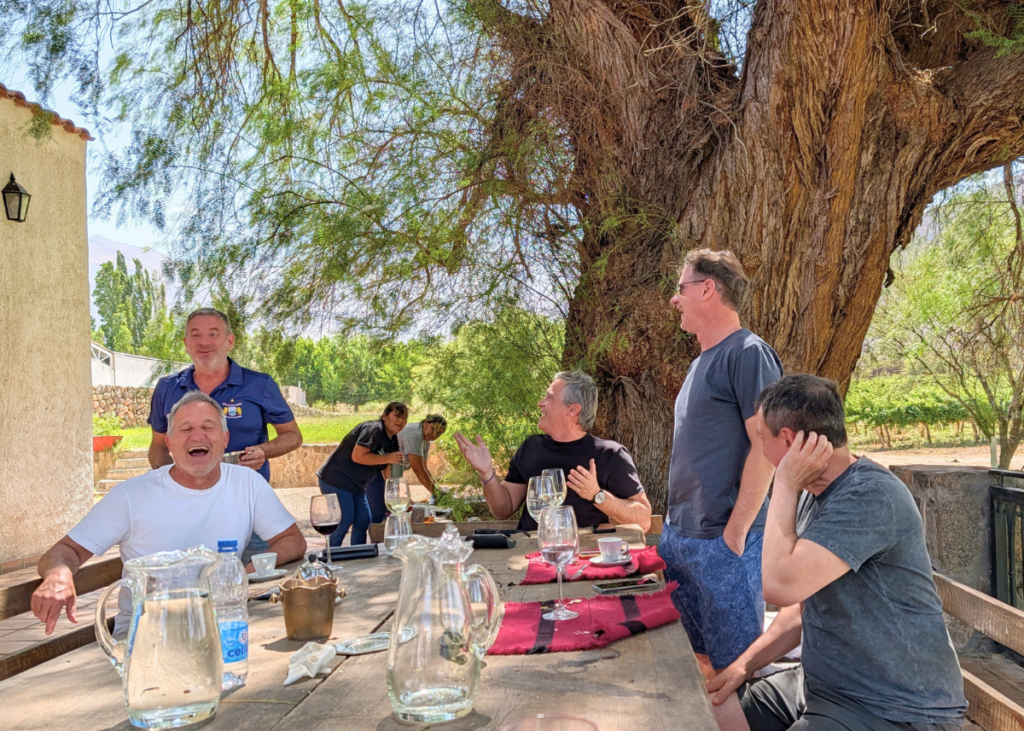
We’ve spent time in Buenos Aires drinking wine and trying to understand a country we are both foreigners to. Late nights. Loud cafés. Half-formed conclusions that sounded convincing at midnight and less so by morning.
Always curious. Always unfinished.
Why Wine Helps These Conversations
That’s how I’ve learned to approach places like Argentina:
Not through certainty, but through conversation
Not through forecasts, but through context
Wine helps with that. It slows things down. It gives people permission to say, I’m not sure yet.
If this kind of conversation resonates with you, Joel is hosting an online event soon and has extended an invitation to Bonner Private Wines members. I’ll be attending as well — not to make predictions, but to listen. To hear how people who are actually doing business in Argentina are thinking now, not last year.
It’s serious analysis that still knows how to keep things human and fun.
Just a long table.
Good questions.
Diego Samper
P.S.
Our next Partnership Collection comes from Argentina. The wines are already on the water and expected to arrive in the U.S. in February. If you’d like to receive this shipment, there’s still time to sign up.