
A Report From Wine Explorer Diego Samper
Paris, France
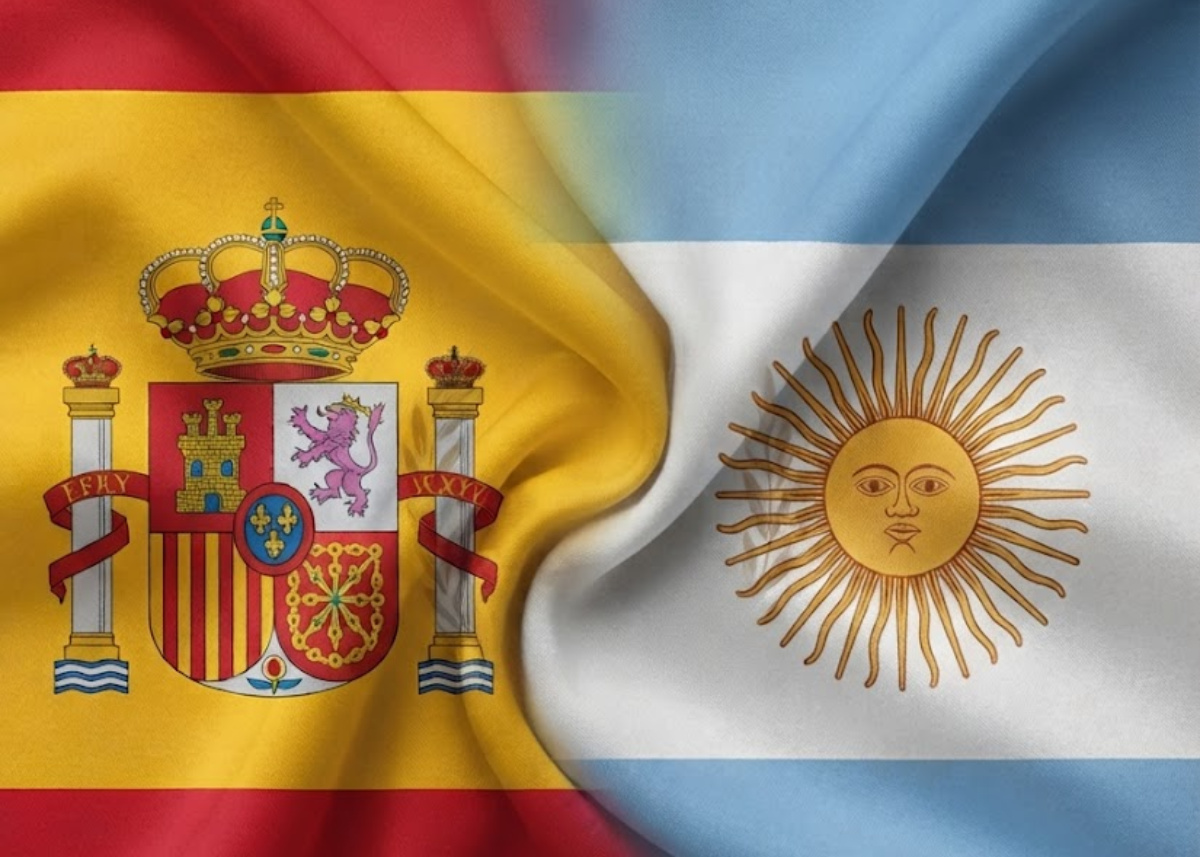
On Sunday, Argentina and Spain meet in New Jersey for the World Cup final.
If you were not a soccer fan when this tournament began on June 11, I understand.
But after 39 days of goals, replays, flags, arguments, injuries, anthems and people explaining offside with the confidence of a man defusing a bomb, something has probably stuck.
Not to predict the winner.
The better excuse is to look at Argentina and Spain the way we like to look at things in the Wine Club: through the bottles.
They are two great wine countries, but they play on very different scoreboards.
There is no underdog here.
These are two heavyweights, built differently, with enough talent and history to make prediction look foolish.
As I write, Polymarket gives Spain a slight edge.
That sounds authoritative.
It is also strangers buying and selling opinions online. Money makes an opinion more expensive. It does not make it correct.
Transfermarkt values Spain’s squad at roughly $1.4 billion and Argentina’s at about $926 million.
None of this tells us what happens after kickoff.
But the wine world has its own scoreboard, and the final gave me an excuse to open it.
The Wine Scoreboard
Spain produced nearly three times as much wine as Argentina and exported more than ten times the volume.
It can be Rioja, Cava, Sherry, Albariño, Garnacha, Tempranillo or a tanker of bulk wine crossing a border.
Spain is less one wine country than a crowded dinner table where every region insists it has the better story.
Argentina sends less wine into the world. But its average export value was about $3.55 per liter, more than twice Spain’s $1.72.
This does not mean Argentine wine is twice as good.
An export average throws a single-vineyard bottle and a shipping container of anonymous wine into the same arithmetic stew. Spain exports far more bulk wine. Argentina sends a much larger share of its export volume abroad in bottles.
It tells us something about commerce.
It tells us almost nothing about dinner.
Meanwhile, the host country imported about $6.2 billion worth of wine in 2025, more than Spain and Argentina exported to the entire world combined.
The United States may not be playing in the final.
But it still holds the trophy most foreign wineries quietly care about: the world’s largest wine importer by value.
The critic numbers invite an even more dangerous conclusion.
James Suckling’s team placed 15 American wines in its 2024 Global Top 100. Spain and Argentina placed six each.
Divide appearances by reviews and Argentina seems to have the best batting average.
The value list is more tempting. For every 100 wines reviewed, Argentina placed about 0.48 on it. Spain placed 0.24. The United States placed 0.07.
So Argentina wins on value?
Not so fast.
The wines were not randomly selected. The samples were unequal. The editors also considered price, production, availability and something called the “wow factor.”
This was an editorial list, not a controlled experiment.
Statistics are useful that way. They tell us precisely what happened, then leave us free to misunderstand why.
Still, the numbers point toward something useful.
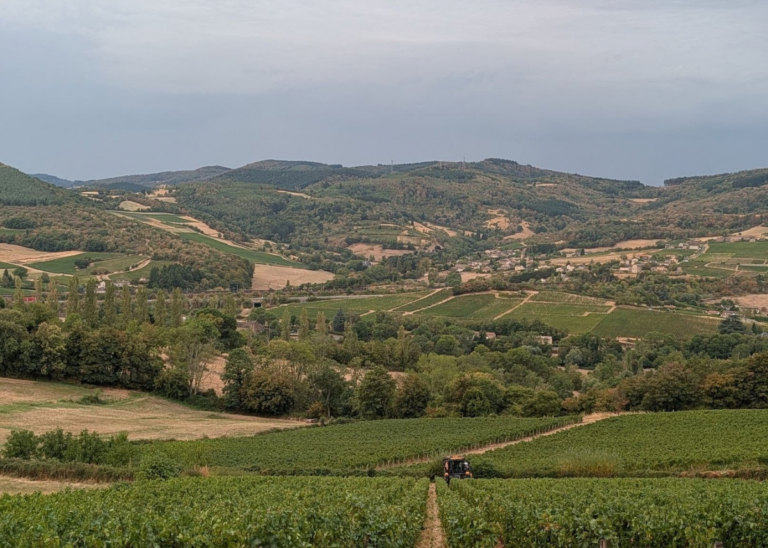
Spain gives you range: famous regions, forgotten grapes, serious bottles and everyday values.
Argentina gives you concentration: a clearer export identity, more bottled wine and plenty of quality hiding beyond the Malbec everyone already knows.
Both are excellent places to look when familiar American labels begin asking for a committee meeting, a bigger wallet and a smaller pour.
What Wins at Your Table?
So take the final as an invitation to step outside the usual box.
From Spain, start with Vocablos 2019, a Toro red made from Tinta de Toro, the local grape that does not whisper. Old-vine concentration, dark fruit, firm tannins and enough structure to make elegance stand up straight.
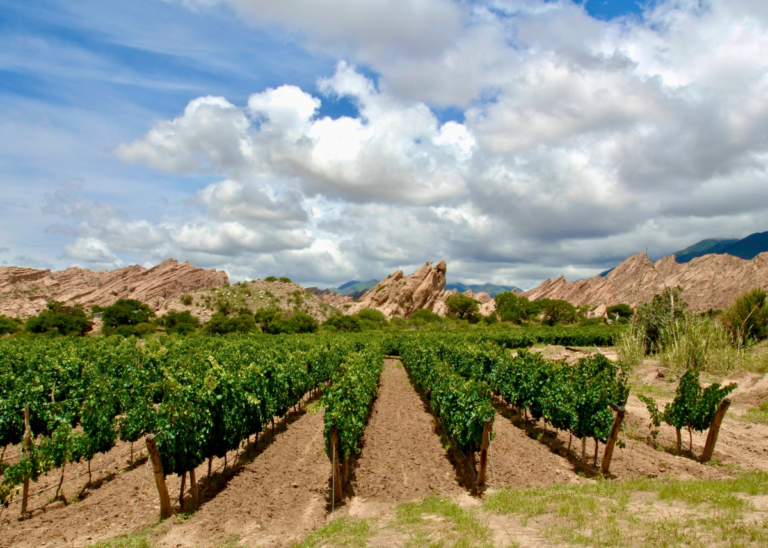
From Argentina, try the Raquis Parajes collection. Three Mendoza expressions. Three different places. One useful reminder that Malbec is not a single flavor but an argument between altitude, soil and weather.
If you already have Spanish and Argentine bottles at home, open them side by side. Cover the labels with paper bags, socks or whatever dignity allows. See which glass your crowd reaches for first.
And if your cellar needs reinforcements for the next round of arguments, our Spanish and Argentine wines are 15% off through Sunday. (min order 6 bottles)
They will not arrive before kickoff.
That is not the point.
The point is to give the next dinner its own scoreboard.
And for those asking when the olive oil would return, it is back.
It is not Spanish or Argentine.
It is Greek.
The World Cup supplied the occasion. The pantry followed its own logic. Not everything on the table needs to respect the bracket.
More importantly, which glass wins at your table?
As for my own loyalties, I admire both teams.
Spain is brilliant. Argentina holds a more personal place.
I moved there at 18. It taught me wine, soccer, late dinners, several creative approaches to economic reality and a rare, inexplicable passion for a country that rarely makes life easy and never makes it dull.
So Argentina will have my support on Sunday.
This will not improve its odds, alter the market or trouble Spain’s defenders in any measurable way.
It is simply where sentiment takes over after the statistics have finished pretending to explain things.
A good game. A little tension. Something worth opening a bottle over.
By Sunday night, soccer will have produced a winner.
The wines can keep the argument going.
Cheers,
Diego Samper
Wine Explorer