
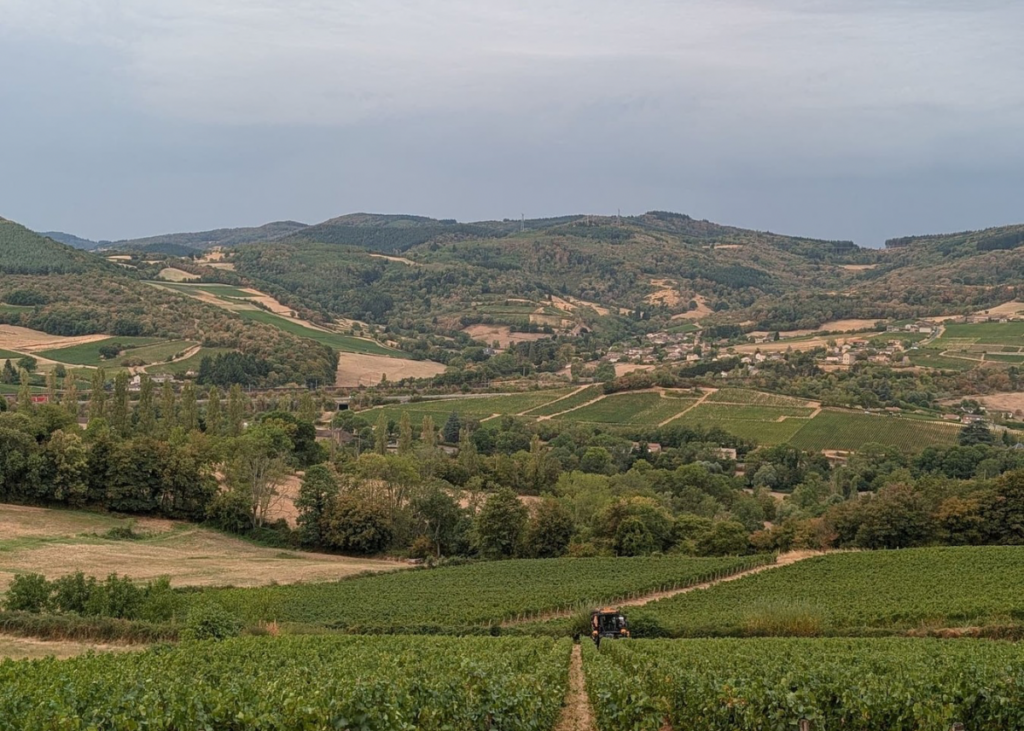
Mâconnais, France
Dear Reader,
Wine seems to find me even when I am not looking for it.
This week, I was supposed to be the driver and barbecue guy.
The plan had been Lyon. At the last minute, my partner’s friend found a house near Mâcon instead. Two families, two babies. I was working much of the week. We would stay put, let the babies play, and cook dinner.
Our friends barely drink. Nobody had booked a wine holiday.
But from the house, we could see vineyards and the great rock formation rising above the landscape. Staying put was not going to get me away from wine. It was going to leave me staring at it.
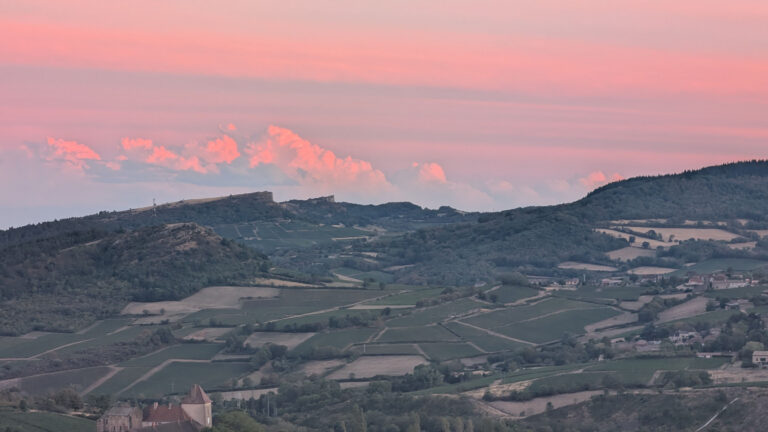
Harvest was beginning. I woke early to watch the work and the tractors bringing grapes in. Then I began looking for somewhere we might all enjoy a tasting.
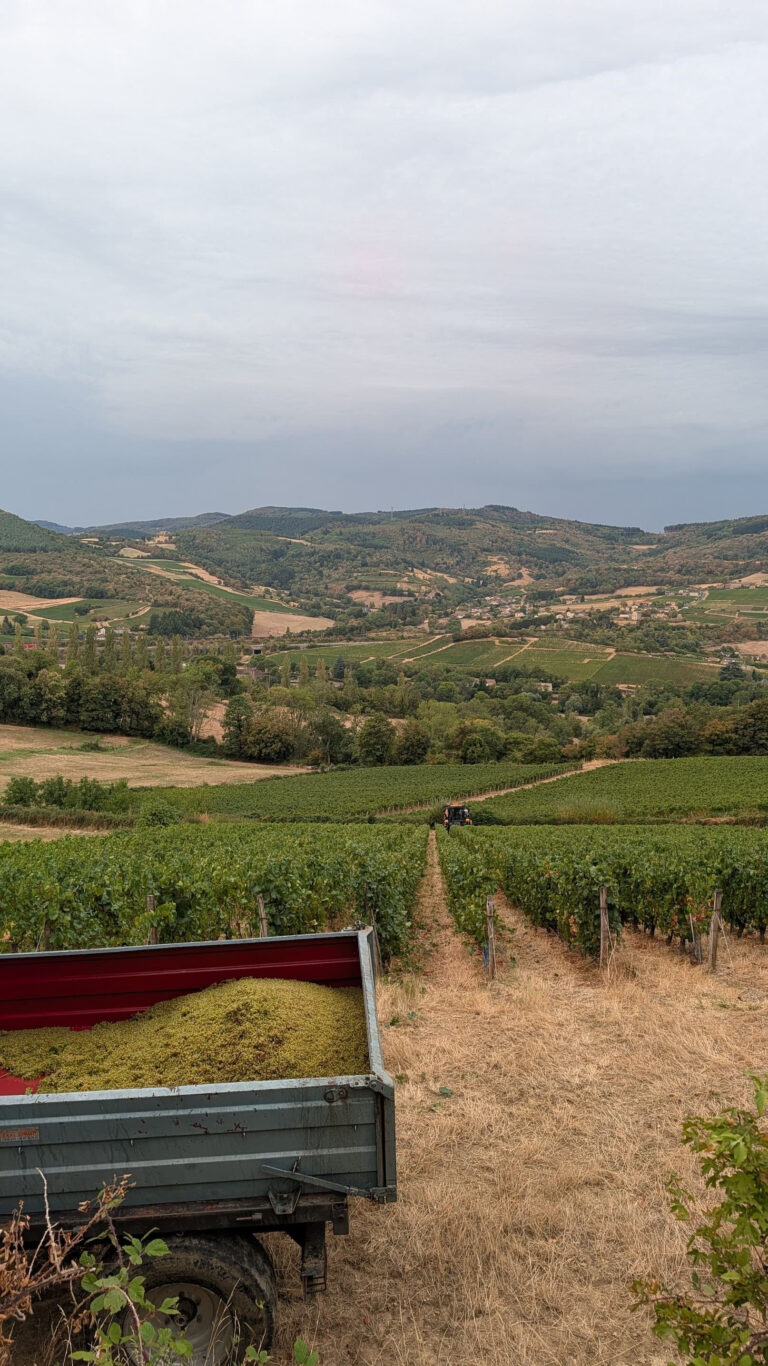
That brought us to Domaine Sève, beneath the Rock of Solutré, the same rock we could see from our window. Mathilde welcomed us after two in the afternoon. She had been up since four for the harvest. The heat had brought the picking forward.
And she still had patience for us.
We tasted several Chardonnays, including the Pouilly-Fuissé Premier Cru “Au Vignerais,” lightly toasted and fruity, with a finish that lingered.
I wanted our friends to compare the wines side by side, something you do not often do outside the industry. Different plots, barrels, and vintages, but the same grape. You could notice the differences without knowing the vocabulary.
The Sèves have been doing this for five generations.
That sounds romantic until you remember somebody still has to get up at four.
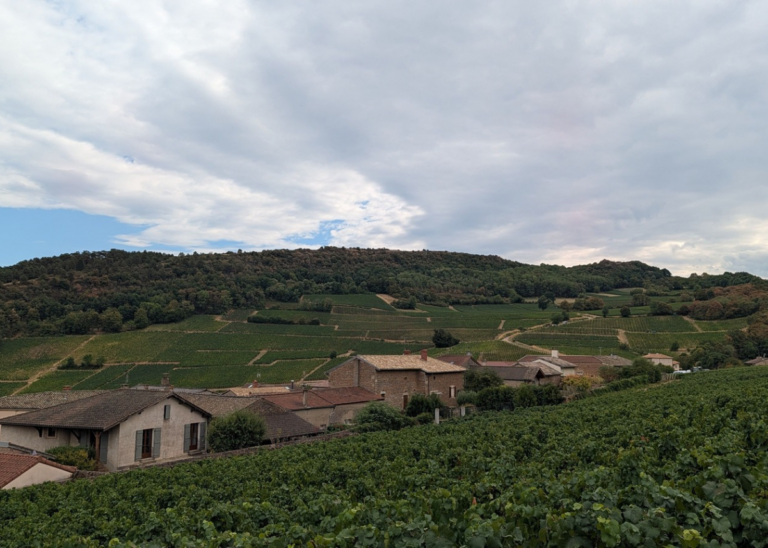
What Each Generation Changes
It also left me wondering how each generation decides what to change.
When you inherit something successful, you inherit good reasons to continue it. Knowledge. Customers. A name people trust. You also arrive with ideas of your own.
How much room do those ideas get?
Imagine taking over a restaurant where everyone comes for your father’s cooking. You might have something new in mind. The regulars have already decided what they want for dinner.
It is a problem any business can recognize. Once something works, changing it requires an explanation. Continuing it often does not.
With a famous Burgundy, the expectations arrive with the price tag.
Before the cork comes out, someone has explained the vineyard, the vintage, and what you ought to admire. The producer knows that, too. There is a particular experience people are paying to have again.
I can understand wanting to protect it. I can also see why someone with a different idea might look toward the edges.
Burgundy is still a place I am discovering, and the Mâconnais has been a good way in. Here in the south, I have found a less pretentious side of the region, less weighed down by the expectations attached to its most celebrated vineyards farther north.
I wonder whether that lighter burden also gives winemakers more room to explore. Less pressure to repeat a familiar result. More space to find an expression of their own.
Just south of the Mâconnais lies Beaujolais, where Gamay takes the lead. It is one place where I see more of that willingness to experiment.
Natural wine. Low intervention. These terms can sound like announcements of something new. But some of the practices behind them have been around for generations. Sometimes the new idea is to give an old one another chance.
Not every experiment will work. Having room for ideas also means finding out which ones are no good. That is part of the exercise.
At the center, a winemaker inherits a definition.
At the edge, a winemaker has to create one.
The advantage is the possibility of discovering what a wine could be before deciding what it should be.
And perhaps that is how another generation finds its way in. Not by discarding everything that came before, but by having something to contribute.
Are we inviting them to help shape wine culture, or only asking them to admire it?
The Wine You Want to Tell Them About
Over the week, bottles began finding their way to our table. I opened a few over dinner and bought some to bring home.
Pouilly-Fuissé. Mâcon-Villages. Names I knew from labels were becoming roads, vineyards, and people.
At Cluny’s night market, the harvest showed on sun-reddened faces. I raised a glass there for two euros. There was pleasure in that, too, without much need to explain it
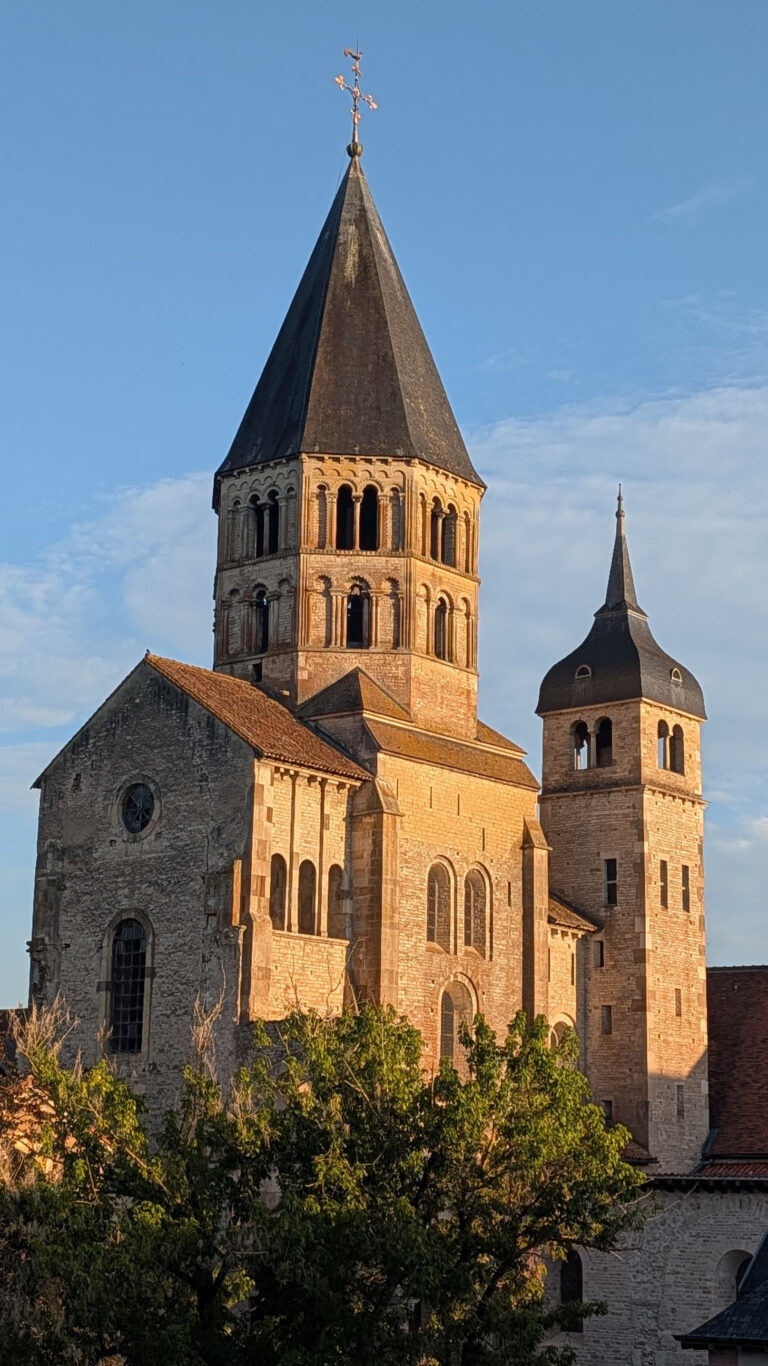
That is something we try to leave room for in the club: familiar pleasures, and the occasional bottle you might not have chosen yourself. A chance to find out what else you like.
This weekend, we take the train back to Paris, with a few bottles among the luggage and baby gear. Back to schedules and familiar routines.
I came here because somebody else changed the destination. I am glad they did.
At the center, you may find the wine everyone has been telling you about.
At the edge, you might find the one you want to tell them about.
To your health,
Diego Samper
Wine Explorer