
A Report From Wine Explorer Diego Samper
Paris, France
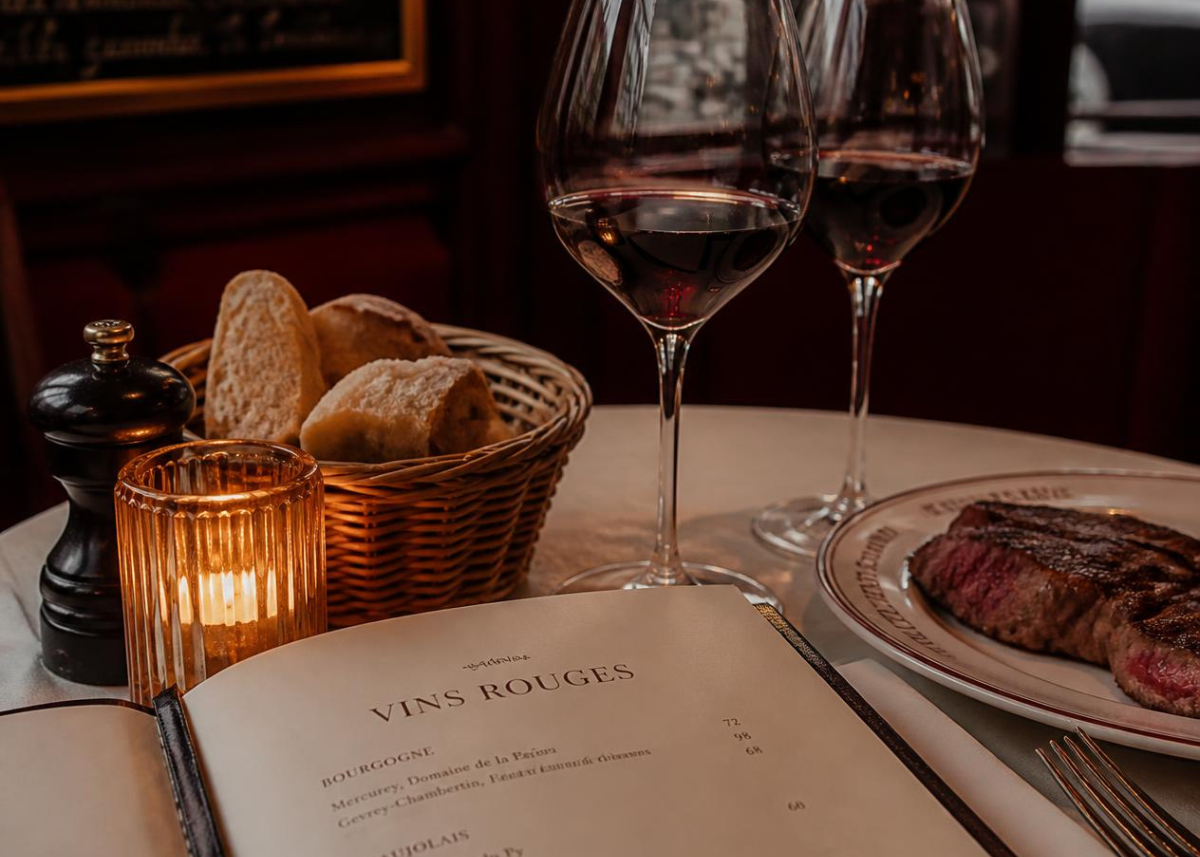
Last night, ten of us went to Bistrot Paul Bert in Paris for a friend’s birthday. Everyone else worked in fashion. I was the outsider, the plus-one, until the wine list arrived. Then everyone looked at me.
Fair enough. Although I don’t ask them to dress me every time I go out. Perhaps I should.
Paul Bert is a classic Paris bistro, and they keep the food menu short. About five starters and five main courses. All ten of us ordered their famous Filet de Bœuf au Poivre de Sarawak. The wine list was considerably longer, and that decision came to me.
Normally, I enjoy choosing. I find something interesting, check the price, and order. But with nine other people involved, I sometimes hesitate. Should I choose something more familiar? What if they don’t like it?
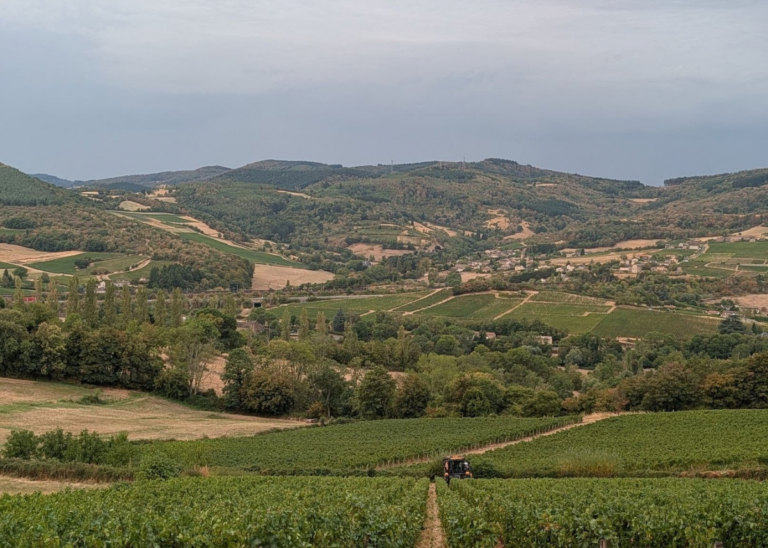
I chose Les Bertrand’s Cuvée du Chaos, a Beaujolais from Fleurie. I like the floral side of Fleurie, and it was what I felt like drinking with the steak.
I enjoyed it very much. We had a beautiful evening. But that small hesitation stayed with me.
A little imposter syndrome, in the middle of something I do for a living.
I spend a lot of time around wine. I choose it, write about it, and visit the people who make it. But give me a wine list that runs to several pages, and I’ll find plenty I’ve never heard of. After enough “I don’t knows,” it’s easy to forget what I do know. Especially when nine people are waiting for me to choose.
It’s Not a Test
Perhaps you know the feeling. You’re quite happily drinking a glass until someone asks what you think.
You liked it a moment ago. Now you’re searching for cherries.
Should you mention the acidity? Is this what they mean by minerality? Someone says something about terroir, and you wonder whether you’re supposed to be tasting that too.
I write tasting notes, so I probably owe you a small apology here.
Those words can be useful. They help us describe what we enjoy and find something similar next time. But I’d hate to think we’ve made a glass of wine sound like something you need to prepare for.
You can enjoy its freshness without calling it acidity. You can love the smell without deciding which flower it reminds you of. And you can finish dinner knowing very little about the vineyard and still have enjoyed what it produced.
If you want to know more, ask. That’s how the conversation starts.
At dinner, I suggest learning a few regional names to get your bearings. Burgundy, Beaujolais, Bordeaux. Then perhaps Languedoc or Jura when you feel like wandering. Remember a place you enjoyed and try another bottle from there. You can learn the map a little at a time.
Or tell the person serving you what you usually drink and what you want to spend. Point at the name you can’t pronounce. I’d rather ask a basic question than pay for something I don’t want because I was embarrassed.
The part I need to remember is that my friends weren’t testing me. They handed me the list because I enjoy wine and they trusted me. I was the one who turned that into pressure.
Dinner Comes First
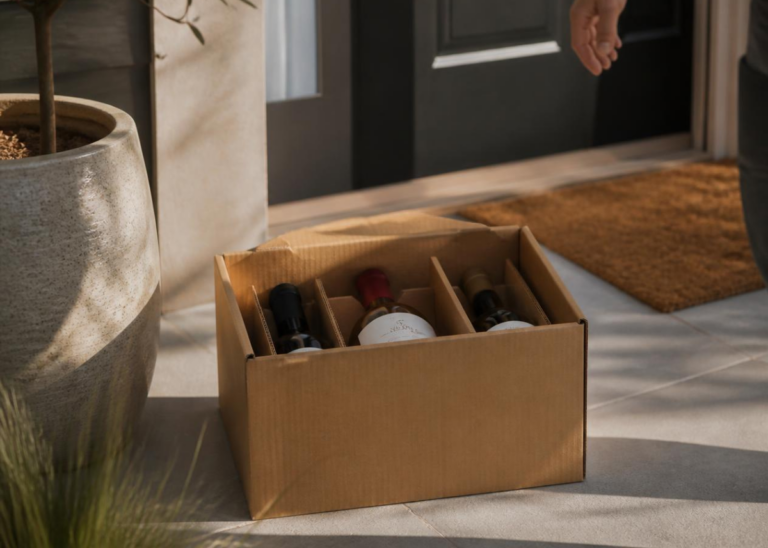
Choosing for you at Bonner Private Wines gives me more time. I taste the wines before selecting them, so I’m sharing something I’ve enjoyed, with a reason for wanting you to try it. I’ll tell you about the people behind it and what interested me along the way.
You don’t have to agree with my notes. I’d like to hear what you think.
When you open the bottles, I hope the stories add something to your evening. And if the conversation goes elsewhere and nobody gets around to discussing the wine, that’s fine with me.
Last night was a friend’s birthday. We ate well, I enjoyed the wine, and I was happy to be there. Next time someone hands me the list, I’ll try to remember why we came.
It’s dinner. Not an exam.
Diego Samper
The Wine Explorer