
A Report From Wine Explorer
Diego Samper
Paris, France
Dear Reader,
France disappeared in August.
Now it is back.
The suitcases have been put away. Baby is back at daycare. Offices have reopened, and the inbox is alive again.
The French call it la rentrée. The return.
There is something comforting about routine. It gives us the impression that everything waited for us while we were gone.
The vineyard did not.
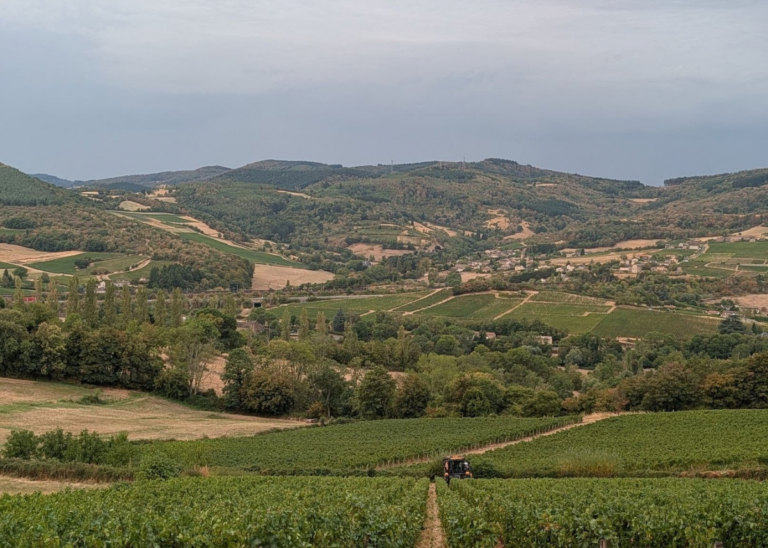
During our final week in Burgundy, the harvest was already underway, earlier than expected.
The 2026 growing season had started moving early. A warm, rainy February restarted the vine cycle ahead of schedule. Warmer-than-normal April temperatures accelerated its growth. By May, Burgundy’s wine board was preparing growers for an August harvest.
The work of an entire year suddenly narrowed into a matter of days.
Small vineyards often rely on relatives, friends, and whoever can be persuaded to help. Larger properties may bring in harvesting machines.
One calls the family. The other calls the bank.
Neither solution is cheap.
Workers must be found, fed, and paid. Machines are expensive. When many vineyards are ready at once, everyone may need the same people and equipment.
The grapes do not care about vacation schedules, loan applications, or whether everyone thought they had another week.
The grapes say now.
Under the Same Sun
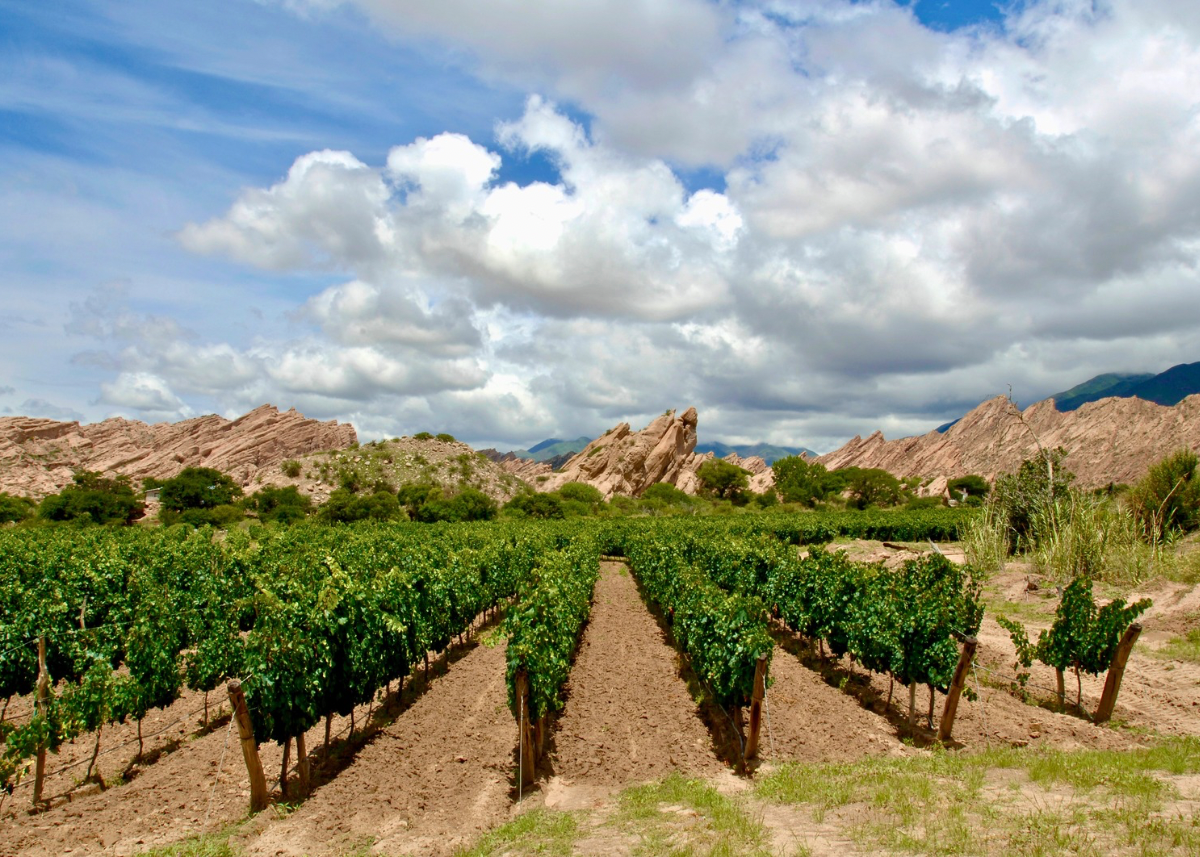
We have spent years dealing with these questions while producing Tacana in Gualfín, high in the mountains of Salta.
Distance makes moving people, equipment, supplies, and eventually bottles difficult. But weather may be even more decisive.
In Gualfín, you learn quickly that a map leaves out the important parts. Two vineyards that appear close together can experience the same day differently.
One slope catches the morning sun. Another holds the afternoon heat. Rocks collect that heat and give it back after dark. Wind dries one parcel while water lingers in another.
This is where the word terroir begins to earn its keep.
We often use terroir as a prettier word for soil.
It is not.
Weather is what happens. Climate is what a place has learned to expect. Terroir is the entire arrangement: soil, slope, exposure, water, wind, vines, and the knowledge people build by working among them.
When you live with the same problems long enough, they begin to feel like yours alone.
Travel has a way of correcting that.
You arrive somewhere like Burgundy, with its centuries of history and prestige, and assume that a more sophisticated wine region must have solved the problems you know.
Then harvest begins.
The growers are looking for workers. The machinery is expensive. The weather is moving faster than expected. The grapes are changing every day.
Burgundy did not make our problems in Gualfín disappear.
It put them in perspective.
The problems are not identical. They simply arrive in different proportions. Distance can turn every decision in Gualfín into a logistical exercise. An early harvest can compress Burgundy’s year into a few urgent days.
Travel does not show you places without problems. It shows you different solutions to problems you recognize.
The advantages are distributed differently.
The perfect vineyard exists only in the imagination, assembled from the best parts of everywhere.
Prestige can change the price of a wine. It cannot change the terms of farming.
A vineyard is still a vineyard.
In Gualfín and Burgundy, we are all under the same sun.
But the sun does not meet every vineyard in the same way.
That difference is terroir.
Every Harvest Adds Another Page
Whatever the terroir, grapes do not stop changing while people organize the harvest. As they ripen, sugar generally rises while acidity falls. Wait too long and a wine may lose some of the freshness that made it worth picking in the first place.
Forecasts and laboratory results offer clues. Eventually, someone still has to walk into the vineyard, taste the grapes, measure their sugar and acidity, and decide.
By the time a bottle reaches our table, most of this has disappeared from view.
We see a label, a cork, perhaps a nice tablecloth. We do not see the alarm before dawn, the workers, the machinery, or someone standing among the vines wondering whether the grapes can wait one more day.
Wine is very good at hiding its own beginning.
Like an Instagram post, the bottle shows us the polished result and crops out the work.
Being in Burgundy during harvest made me work backward, from the bottle to the vineyard.
A vintage began to seem less like a finished statement and more like an entry in a winery’s diary.
Every harvest adds another page.
The vineyard and people may be the same. But the weather has changed, and the decisions change with it.
Wineries often refer to bottles they keep from earlier vintages as library wines.
The term makes sense.
One bottle records what happened that year.
Open three vintages of the same wine side by side, and each page begins to explain the others. You notice what remained consistent and what the season changed.
You are no longer deciding which bottle is “best.”
You are following the story of a vineyard through time.
Labor Day seems like an appropriate moment to remember that none of those pages writes itself.
By then, the difficult part is over. The grapes have been picked. The decisions have been made. The workers have gone home.
The labor is already inside the bottle.
Our part is easier.
Light the fire. Pull the cork.
To your health,
Diego Samper
Wine Explorer, Bonner Private Wines