
Moët & Chandon vs Taittinger: Champagne Taste Test
Julien pits two of the world’s oldest champagne houses against each other. Who will come out on top? Julien has tasted Moët & Chandon several times before — but how will it fare against Taittinger when compared side by side?
Introduction
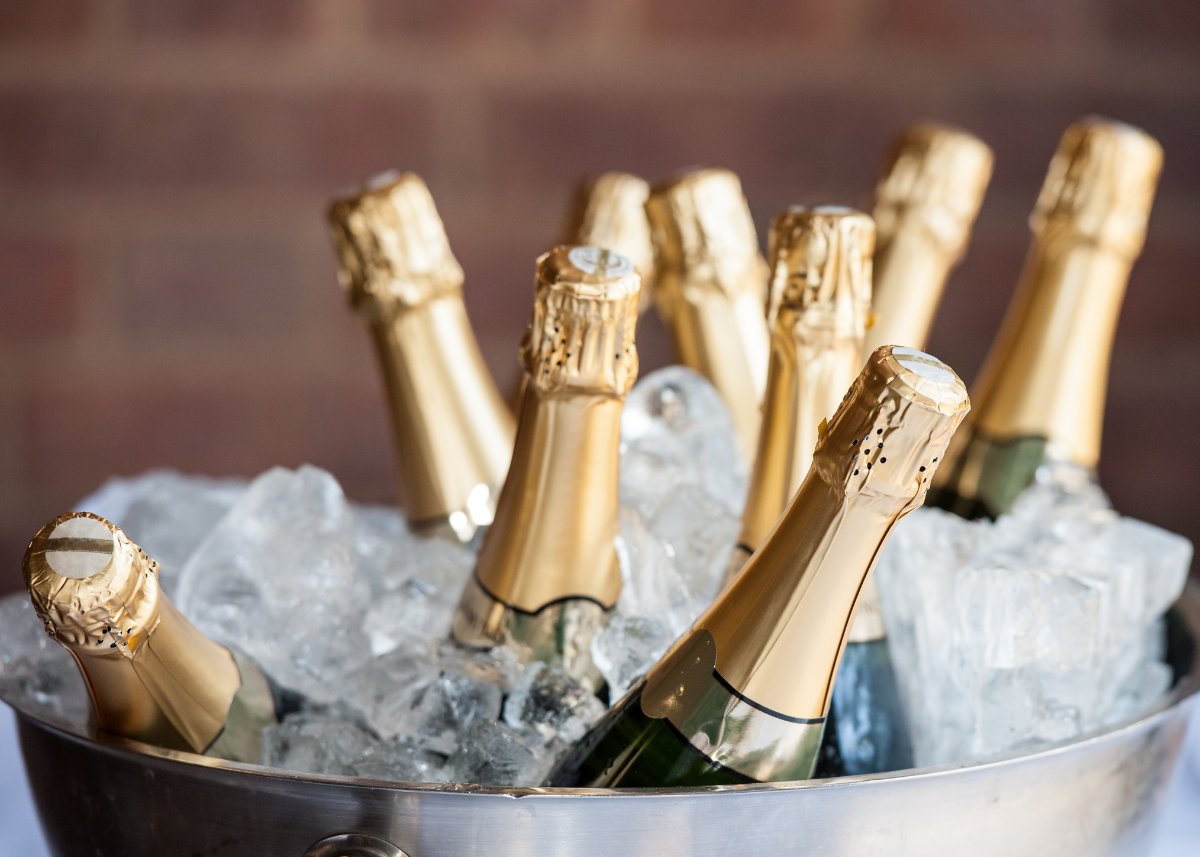
Today, I’m very excited to be tasting and comparing two iconic champagne brands: Moët & Chandon on one side, Taittinger on the other. These two houses have a really long and rich history — among the oldest wineries on the planet. They are both known for producing high-quality, elegant champagnes. Taittinger is supposedly a little finer, but which one is actually the best, and which one should you buy?
Welcome to your new Bonner Private Wines video, where we learn together about wine weekly. I am your host, Julien Miquel, Bordeaux-trained winemaker. I’m a French winemaker with a long history of making fine wine all around the world. I’m a scientific person, but also a writer, and I’ve been making wine videos on YouTube for over five years now.
Why Compare These Two Champagnes?
Today we’re continuing our comparison of top champagne brands in our quest to find the best buys and best quality. So far, we’ve tested Veuve Clicquot and Ruinart. Today, we are exploring Taittinger.
I visited Taittinger in Reims a few years ago and met the owners, so it’s especially interesting to taste it back to back with the famous and illustrious Moët & Chandon — something I’ve never done before.
Background on the Champagne Houses
Both Moët & Chandon and Taittinger are extremely iconic and popular. They are two of the three oldest champagne houses.
Moët & Chandon was founded in 1733 by Jean-Baptiste Moët. It is the largest champagne house in the world, producing an estimated 200 million bottles per year. It’s a global reference point for consistency and quality.
Taittinger was founded in 1734 by Pierre Taittinger. It is known for its elegant, refined style, characterized by a high proportion of Chardonnay, which brings finesse, freshness, and minerality.
The oldest champagne house overall is Ruinart.
Taittinger is also one of the few top champagne houses not owned by LVMH. It remains family-owned and controls a significant portion of its vineyards.
Moët & Chandon: Tasting Notes
Moët & Chandon serves as our reference point. I’ve previously scored it 89 out of 100 points.
Appearance
Bright lemon-yellow color
Very slight orange hue
Fine foam and lively bubbles
Nose
Brioche
Bright, zesty lemon
Spices: nutmeg, cinnamon
Subtle vanilla and light smokiness
Palate
Very creamy, soft texture
Fine bubbles
Ripe lemon and brioche flavors
Hazelnut, oak, nutmeg, cinnamon, vanilla
Balanced acidity and minerality
Overall Impression
A very complete, well-balanced champagne with excellent consistency. Not overly complex, but highly reliable and enjoyable.
Taittinger: Tasting Notes
Appearance
Paler yellow color
Fewer orange hues
Chardonnay-driven appearance
Nose
More subtle and refined
Cooler brioche notes
Lime rather than lemon
Pear, white peach, apple
White flowers
Herbal and floral spices (aniseed, acacia)
No detectable smokiness
Palate
Fuller-bodied and denser
Higher acidity
Strong minerality
Lime-driven citrus
Fresh hazelnut
Long, persistent finish
Overall Impression
More concentrated, more acidic, and finer in style, but less immediately expressive. A champagne that rewards careful tasting and appeals to lovers of freshness and minerality.
Final Scores & Verdict
Moët & Chandon: 89 / 100
Taittinger: 91 / 100
Taittinger edges ahead for its concentration, minerality, and refined structure. It’s generally preferred by wine professionals and in high-end restaurants.
Moët & Chandon remains an excellent, approachable champagne — expressive, creamy, and easy to enjoy.
Which should you choose?
Choose Taittinger if you prefer freshness, acidity, and minerality.
Choose Moët & Chandon if you enjoy a more expressive, generous, and approachable style.
Closing
This video is produced by the Bonner Private Wine Club. We select top-quality, small-producer, handcrafted wines from France, Italy, Spain, Argentina, and beyond, and deliver them directly to our members.
Let us know in the comments which champagne you prefer and why. Have you tasted Moët & Chandon or Taittinger before? What did you think?
See you soon in the wonderful world of wine. Cheers!