
Dear Member,
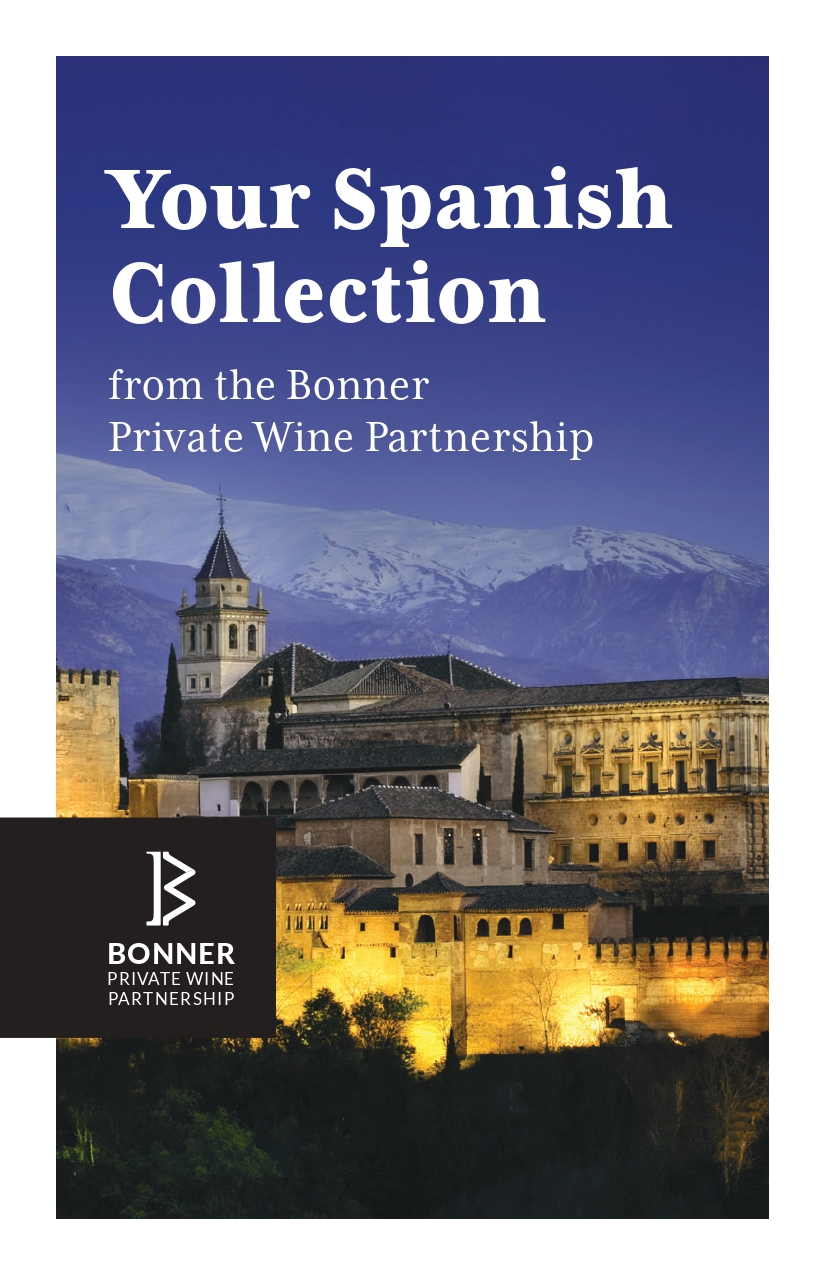
In January of last year, we wrote of Spain that “nowhere else in Europe do the echoes of the ancient and medieval ages still reverberate so clearly.”
In this second Spanish collection, we find ourselves thinking about history once again.
The lost Kingdom of Navarra
Peasant pilgrims doing penance along the Way of St. James
St. Fermín of Pamplona, murdered by the Gauls he sought to convert, and honored each year in the running of the bulls
The 13th-century Suso Monastery and its wine-poet monks
The fall into obscurity—and rebirth—of regions like Alicante and Toro
Even the vines themselves often look like historical artifacts, “gnarled in agony,” as one critic put it. That is partly due to head pruning, but also their age. The first wine in this collection—a Tempranillo sourced from both Toro and Ribera del Duero—comes from vines averaging 50 years old, with some over 100. Others in the box range from 25 to 40 years.
The wineries are equally steeped in history.
Our 2013 Navarra was made beside a ruined monastery that once offered respite to pilgrims on their way to Santiago de Compostela. Our Rioja 2016 comes from the oldest winery in Haro, whose underground galleries connect to the ancient tunnels of Haro Castle. Our sparkling wine (not a Cava) comes from an estate established in 1395.
A French Thread in Spanish Wine
If you sense a French influence here, that too has historical roots. Located near Spain’s northern border, Navarra has had close ties to France since the Carolingians attempted to conquer the region in the 8th century. In the early 19th century—before the railway link to Haro was built—Navarra was Bordeaux’s primary trading partner.
We missed Navarra in our previous collection but made up for it here with two wines, including one from the first French-style winery built in the region.
Beyond Navarra, French influence extends to Toro, revived in part by Michel Rolland, who founded Campo Eliseo (where our own Julien Miquel worked), and to Ribera del Duero, where Vega Sicilia—the Latour of Spain—trained winemakers who contributed two bottles to this collection.
And yet, you will not confuse any wine here with Bordeaux.
Even when Tempranillo’s tobacco and cherry notes yield ground to Merlot or Cabernet, these wines remain unmistakably local—products of a specific place and a specific history. They reflect a unique blend of Iberian, Roman, French, and Moorish influences.
In This Box
You will find six bottles:
Mas de Leda 2018
Raso de Larrainzar Reserva 2013
Berceo Reserva 2016, Limited Edition
Pago de Otazu 2018
Finca Can Martí Brut Corpinnat 2015
Laudum Nature Petit Verdot 2019
Should we even call this our Spanish collection?
It is Castilian. Navarran. Valencian. Catalan. Riojan. With perhaps a touch of French for extra lift. Enjoy the complexity.
Salud,

Will Bonner
Founder, Bonner Private Wine Partnership