
A Report From Wine Explorer Diego Samper
Before today’s note, a thought for the people we lost on September 11, and for the families who still carry that loss.
I also think about something else from those days. In the middle of something terrible, people seemed to look at one another differently. Strangers helped strangers. For a brief moment, a country that spends plenty of time arguing remembered what it had in common. Twenty-five years later, that is worth remembering too.
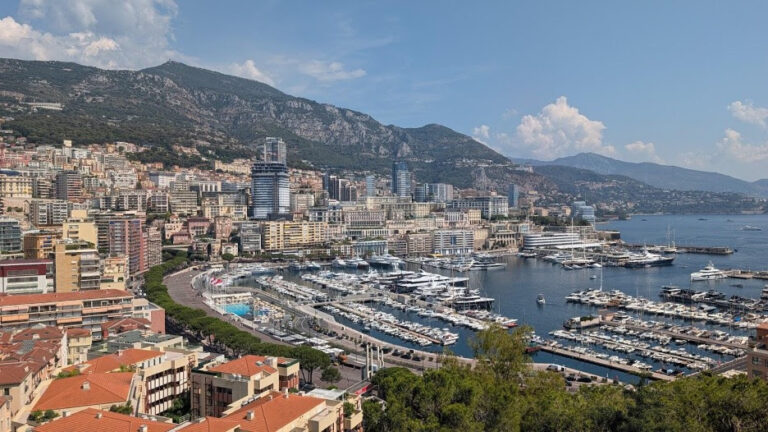
Paris, France
There’s something I’ve been noticing in Paris lately, and I have a feeling it’s coming your way soon.
Record players are showing up again. CD players too. Film cameras are back in shop windows. Wired headphones, with actual wires, are suddenly hanging next to the wireless ones.
Why?
We spent the better part of 20 years getting rid of this stuff. CDs took up space. Records scratched. Film cost money every time you pressed the shutter. Wired headphones have a remarkable ability to hook themselves onto a chair just as you stand up.
Maybe it’s nostalgia. Paris is certainly good at selling the past back to you.
But I don’t think that’s all of it.
Spotify gives us almost every song we could ever want. Netflix gives us more television than we could watch if we abandoned our families. Amazon will happily show us 400 versions of the thing we thought we needed, accompanied by strangers with very strong opinions about extension cords.
At some point, all that choice starts feeling suspiciously like work.
Put on a record and the problem goes away. You chose the record. That’s what you’re listening to. A film camera gives you 24 or 36 photographs, so sooner or later you stop trying to improve the picture and take it. Wired headphones get tangled, yes, but they don’t ask to be paired, updated, or charged.
There is something increasingly luxurious about having fewer decisions to make.
Wine, oddly enough, works the other way around.
Walk into a serious wine shop and there may be hundreds, sometimes thousands, of bottles looking back at you. Different countries, grapes, vintages, producers, scores, prices, oak regimes. Plenty of limestone too. Wine people love talking about limestone.
But the bottle itself exists because someone, somewhere, kept making decisions.
Prune this cane or that one? Pick Tuesday or wait until Thursday? Rain is coming, maybe. Tank or barrel? New oak? Old oak? Blend it? Leave it alone? Bottle now?
Some decisions are made with lab reports. Others, I suspect, standing in a vineyard at five in the morning. A few probably get settled over a long lunch.
By the time you pull the cork, you’re drinking the result of hundreds of decisions made by people you’ll probably never meet.
Eventually somebody has to make another one.
Is the stuff any good?
Information Became Cheap. Judgment Didn’t.
That’s where we come in.
Nobody pays us to answer yes.
I like that about what we do.
We travel, taste, meet winemakers, ask questions, and occasionally spend several hours getting somewhere only to wonder why we bothered. Other times you arrive looking for one wine and the bottle you keep going back to is sitting quietly at the other end of the table. Sometimes the expensive bottle is the least interesting. Sometimes the winemaker looks surprised by the one we want.
Good.
Nobody gets to tell us which bottle we’re supposed to love.
We bring back the wines we like, with a pretty good idea by now of which ones you might like too. You won’t agree with us every time. I hope not. That would be a little suspicious.
That’s how taste works. You find people whose judgment overlaps with yours, and eventually you learn when to listen to them and when not to.
Think about your butcher. After enough visits, you stop studying every cut and asking which one is “best.” You ask the better question: “What would you take home?”
I’m still working on that relationship here in France. Part of it is language. Part of it is time. You have to keep showing up before the person behind the counter stops seeing another guy buying steak and starts remembering what you like.
Same with the dry cleaner who knows your shirts. The Chinese restaurant that recognizes your number. The deli that starts making your sandwich while you’re still saying hello.
You’re probably not taking your butcher on vacation. But these relationships make life better.
The internet was supposed to make them less necessary. Instead, it made access unbelievably easy.
If I want Barolo tonight, finding Barolo is not a problem. I can find more in 30 seconds than I could drink in several lifetimes.
Which one should I open?
That’s still a problem.
Maybe that’s why the butcher survives. And the neighborhood restaurant. And the wine merchant.
Information became cheap. Judgment didn’t.
The Last Mile
Then there’s another relationship the internet created almost by accident.
The delivery guy.
Think about how often you see him. UPS. FedEx. Amazon. The mail carrier. For plenty of American households, the person carrying boxes up the driveway may be one of the people outside the family who comes to the house most often.
You recognize the truck. He knows the dog. He probably knows when nobody is home.
And if you’re a Bonner Private Wines member, he knows one more thing.
You order wine.
And, hopefully, it keeps surprising you. Part of the reason we do all this wandering is to find bottles you’re unlikely to see stacked in the local wine shop, from producers and places that still offer real value.
The point isn’t simply to send you more wine. It’s to put something on your table you probably wouldn’t have found on your own.
We sit through the forgettable bottles too. Nobody takes photographs of that part.
We bring back the ones that made us stop and pour another taste.
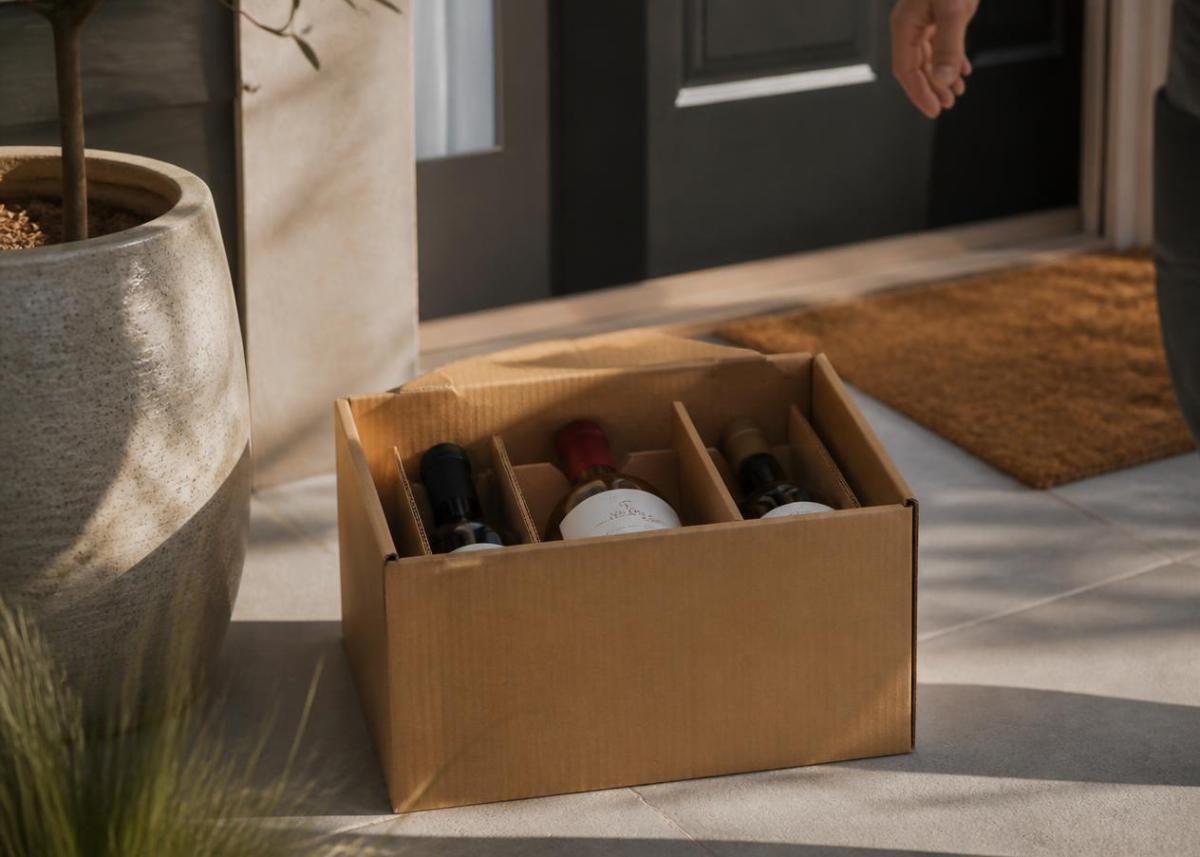
After all the technology involved in getting those bottles to you, the websites, warehouses, scanners, tracking numbers, and emails saying the box is six stops away, the final few feet are wonderfully basic.
A person carries a box to another person’s door.
That box has already passed through a lot of hands. Vineyard workers. Winemaker. Whoever first poured the wine for us. Our team. The warehouse. Then, finally, the guy walking up your driveway.
So when the wine arrives, say hello. If it’s hot, leave some cold water. At Christmas, maybe cookies.
Even some wine.
You don’t need to become best friends.
It’s just worth remembering that somewhere between the vineyard and your dinner table there are still a lot of people making decisions, changing their minds, carrying heavy boxes, getting things wrong, and occasionally getting them exactly right.
The last mile is still human.
Diego Samper
Wine Explorer