
Wine Expert Explains Margaux: The Best Bordeaux Appellation?
We continue our Wine in 5 series with arguably one of the best Bordeaux appellations: Margaux.
Julien takes us through one of his old stomping grounds, from what it was like to work at Château Margaux to the wines you absolutely have to try, and how Margaux stacks up on our regional leaderboard.
Watch the video
Transcript
Hello and welcome to your new Bonner Private Wines video, where we learn together everything you need to know about wine each week.
I’m your host, Julien, a Bordeaux-trained winemaker. Today, we’re continuing our Wine in 5 series: five things you need to know about the top wine appellations around the world in about five minutes or so, maybe a little more.
In previous episodes, we looked at Pauillac, also in Bordeaux, as well as the prestigious and world-famous Spanish Rioja and Italian Barolo. Today, I want to share my expertise on another of the best Bordeaux appellations, Margaux, which is especially dear to my heart. I worked at Château Margaux myself, and later at Château Giscours and Château du Tertre as well.
At the end of the video, we’ll rate Margaux on our world wine appellations leaderboard to see how it ranks and reveal the most expensive wines you should probably taste before you die.
So stay tuned. While they whine, we wine. Let’s go.
What makes Margaux special?
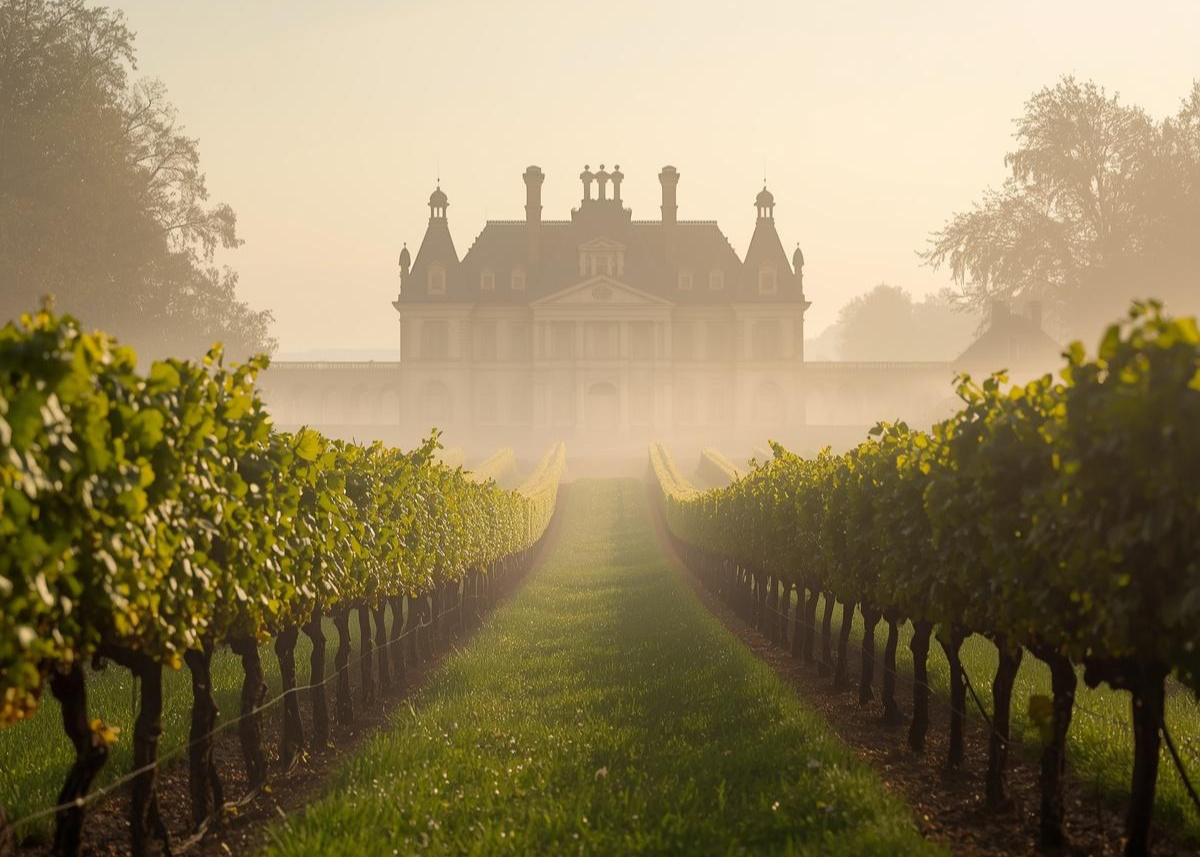
The Margaux appellation, nestled within the prestigious Bordeaux region of France, has long been known for producing some of the world’s most celebrated wines.
It is especially renowned for its elegance, complexity, and longevity.
Geographically, Margaux is situated on the left bank of the Gironde estuary in Bordeaux, alongside other famous Médoc appellations such as Saint-Estèphe, Pauillac, and Saint-Julien.
The region’s proximity to the Atlantic Ocean and the Gironde River has a major influence on the climate. This maritime effect moderates temperatures, making winters milder and summers cooler, and helps create a long ripening season that contributes to the finesse of the wines.
Grapes and style
The dominant grape variety in Margaux is Cabernet Sauvignon. It brings structure, tannins, and aromatic complexity.
Merlot is often blended in smaller proportions with Cabernet Sauvignon. It adds softness, fruitiness, and earlier ripening in cooler vintages. Because Merlot ripens earlier than Cabernet Sauvignon, it plays an important supporting role.
Other grape varieties, such as Cabernet Franc and Petit Verdot, are also used in much smaller quantities to contribute specific characteristics to the final blend. Petit Verdot, for example, can bring a particularly tannic and punchy profile.
Margaux wines are typically characterized by elegance, finesse, and aromatic complexity. Compared with Pauillac or Saint-Estèphe, they are often softer and finer in style.
They usually show a balance of fruit, acidity, and tannins, with flavours ranging from blackcurrant and cassis to cedar, tobacco, and spice. With their strong Cabernet Sauvignon influence, these wines are also known for ageing beautifully and developing additional complexity over time.
A minimum of ten years is often recommended to enjoy them fully, while top producers and vintages can age for 30 to 40 years.
Margaux offers a diverse range of styles, from the opulent and structured wines of the first-growth estates to more approachable, fruit-driven wines from smaller producers.
Soils and terroir
The soils in Margaux are dominated by gravel, thanks to the appellation’s position overlooking the Gironde River. These gravelly deposits are combined with solid amounts of clay, which contributes to the tannic structure of the wines.
It is not all gravel and sand, as in parts of southern Bordeaux. There is also a meaningful amount of clay, which is especially important for both Merlot and Cabernet Sauvignon.
The top names in Margaux
Château Margaux, which takes its name from the village itself, has achieved legendary status around the world and sells for around $800 per bottle on average across vintages.
The second most prestigious and expensive Margaux is neighbouring Château Palmer, located just across a few vineyards, and it retails at around $400 per bottle.
Other top names to try include Château Rauzan-Gassies, Château Brane-Cantenac, Château Lascombes, Château d’Issan, and Château Giscours. Château Giscours is always a solid buy.
Margaux on our appellation leaderboard
Time for us to rate Margaux so we can compare it with other prestigious appellations around the world.
Quality: 10/10
Quality is as high as it gets in Margaux. Some of the finest wines in Bordeaux, some of the finest in France, and some of the finest in the world.
Prestige: 9/10
Prestige is also extremely high, clearly led by Château Margaux, one of the most prestigious wineries in France. Smaller producers can be a little more esoteric and are often better known by educated wine connoisseurs. Overall, Margaux may not be quite as broadly famous as Saint-Émilion or Châteauneuf-du-Pape, so it gets a 9 out of 10.
Price level: 8/10
Margaux wines are expensive, but not nearly as costly as many Burgundy wines or even some California cult wines. Even within Bordeaux, Château Margaux is not the most expensive wine overall, so this category gets an 8 out of 10.
Scarcity: 7/10
Margaux wines are not especially scarce. The appellation is fairly large, like Pauillac, and top estates produce tens of thousands of bottles each year, including Château Margaux. These wines are relatively easy to find, though still far from common, so scarcity gets a 7 out of 10.
Quality-price ratio: 8/10
If you buy a relatively affordable Margaux, say in the $50 to $80 range, you can still find a very good wine with real finesse. At that price, Margaux can compete strongly with many premium wines from the US and Europe. The wines are consistently elegant and excellent, so this category gets an 8 out of 10.
Final score
Margaux receives a total score of 42 points, which places it just above Pauillac for better overall consistency and on a par with top Barolo, making it one of the best appellations we’ve covered so far.
This ranking is getting quite exciting.
If you want to see how wines like Saint-Émilion, Châteauneuf-du-Pape, Burgundy, Napa Valley, and more Italian wines compare with appellations like Margaux, make sure to subscribe to the channel and like this video. It’s a small step, but it helps us immensely to create more content like this.
Feel free to share this video with anyone who might be interested.
Drink safe, stay tasty, and I will see you soon in the wonderful world of wine. Cheers!