
We continue our Wine in 5(ish) series with one of Bordeaux’s most famous appellations: Saint-Émilion
Watch to learn about:
The history of the area (yes, it’s named after a hermit)
What makes a wine eligible to be called Saint-Émilion
How to identify entry-level, premium, and top-tier wines from the region
Why Saint-Émilion may not rank as highly as other appellations on the leaderboard
Introduction
Hello and welcome to your new Bonner Private Wines video, where we learn everything you need to know about wine every week.
I’m your host, Julien Miquel, Bordeaux-trained winemaker. I’ve spent the past 25 years making and tasting fine wines around the world, after making my debut as a winemaker at Château Margaux, one of Bordeaux’s top First Growths.
So I like to think I know a thing or two about Bordeaux.
Today we continue our Wine in 5 series: five key things you need to know about top wine appellations around the world in about five minutes—usually a little more. ⏱️
In previous episodes, we explored:
Pauillac
Margaux
Rioja
Barolo
Now it’s time to look at one of Bordeaux’s most famous appellations: Saint-Émilion.
At the end, we’ll rate Saint-Émilion on our world appellation leaderboard and see how it compares with others such as Margaux.
We’ll also cover the most expensive Saint-Émilion wines you should taste before you die.
Where Is Saint-Émilion?
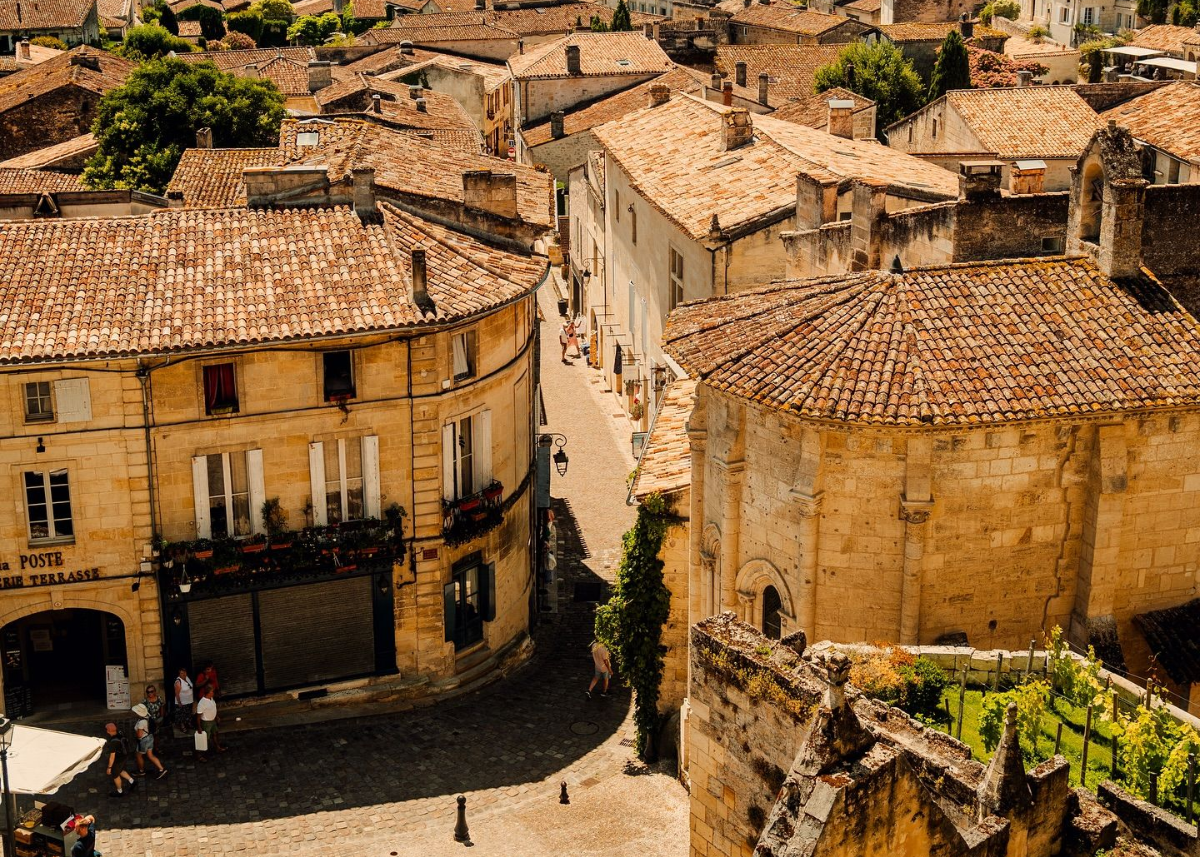
Saint-Émilion is a village on the Right Bank of Bordeaux.
Around the town lies a large vineyard area that forms the Saint-Émilion appellation.
Because it is on the Right Bank, expect:
Merlot-dominant wines
Softer texture
Generous fruit
Saint-Émilion is much larger than many people realize, which explains why styles vary significantly across the appellation.
Three Interesting Facts About Saint-Émilion
1. Roman Origins
The Romans planted vines here as early as the 3rd century BC.
Roman ruins can still be found throughout the local landscape.
2. Named After a Hermit
The town takes its name from Émilion, a hermit who lived in a cave during the 8th century.
His monastery later grew into the medieval town we know today.
3. UNESCO Recognition
In 1999, Saint-Émilion became the first vineyard landscape in the world registered as a UNESCO World Heritage cultural landscape
Grape Varieties in Saint-Émilion
Saint-Émilion is dominated by Merlot, largely because of its cooler clay-rich soils.
Cabernet Sauvignon ripens more slowly and is less suited here.
Most wines are blends of:
Merlot
Cabernet Franc
Small amounts of Cabernet Sauvignon
Unlike neighboring Pomerol, where Merlot often dominates almost completely, Saint-Émilion commonly uses a broader Bordeaux blend.
Soils: More Complex Than You Think
Saint-Émilion is often described simply as limestone and clay—but the reality is far more complex.
Main Soil Types Include:
Limestone plateau
Clay plains
Sandy sections
Gravelly pockets
Mixed alluvial soils
The famous Saint-Émilion plateau, where many top châteaux are located, is rich in limestone.
That diversity explains why Saint-Émilion wines can vary dramatically in style.
What Saint-Émilion Wines Taste Like
Saint-Émilion produces red wine only.
Typical characteristics include:
Dense structure
Generous fruit
Dark cherry flavors
Soft Merlot richness
Added complexity from Cabernet Franc
Premium wines are usually aged in oak barrels for 12 to 24 months.
Entry-level wines may be matured in tank.
Aging Potential
Entry-Level Saint-Émilion
5 to 10 years aging potential
Premium Saint-Émilion
15 to 20 years aging potential
The Most Expensive Saint-Émilion Wines
Top Tier Bottles
Hommage à Élisabeth Bouchet — around $1,500
Château Ausone — around $700
Château Cheval Blanc — around $690
Château Angélus — around $350–400
Château Pavie — around $350–400
Why These Wines Matter
Château Ausone is tiny, exclusive, and located on the limestone hill, with a strong Cabernet Franc identity.
Château Cheval Blanc sits closer to Pomerol and benefits from exceptional soil diversity.
Saint-Émilion Leaderboard Score
Quality — 7/10
The best wines are exceptional, but many affordable bottles are simply good rather than outstanding.
Prestige — 7/10
The name is globally famous, helped by the beauty of the village itself.
Price Strength — 6/10
Top wines are expensive, but many inexpensive bottles also exist.
Scarcity — 7/10
The appellation is large, though top producers remain relatively limited.
Value for Money — 6/10
Affordable Saint-Émilion can be pleasant, but often you pay partly for the appellation name.
Final Score
33/50
That places Saint-Émilion below some other Bordeaux appellations in this ranking.
Not because the wines aren’t excellent—but because the appellation is so broad, with huge diversity in style, quality, and price.
Final Thoughts
Saint-Émilion remains one of Bordeaux’s most fascinating appellations because no two bottles are exactly alike.
Its diversity is both its greatest strength and the reason it scores lower in a ranking system.
What do you think? Do you agree with this score?