
The Dirty Secret Hiding in 90% of Supermarket Wine
You flip over the bottle. You scan for ingredients. You find nothing.
That's not an accident.
Wine is one of the only consumable products in America that is legally permitted to skip the ingredient label entirely. No disclosure. No fine print. No asterisk. The bottle you uncorked last Tuesday night could contain up to 76 FDA-approved additives — synthetic colorants, industrial enzymes, chemical stabilizers, and pesticide residues — and you would never know.
You'd just wonder why your head hurt in the morning.
For millions of health-conscious Americans who read every food label, choose organic produce, and scrutinize the back of a cereal box before buying it, wine represents a shocking blind spot. We've cleaned up our diets, ditched the processed food, and still, every Friday night, we pour ourselves a glass of something that — if its ingredients were disclosed — would look less like a farm product and more like a chemistry exam.
It's time to talk about what's actually in your wine.
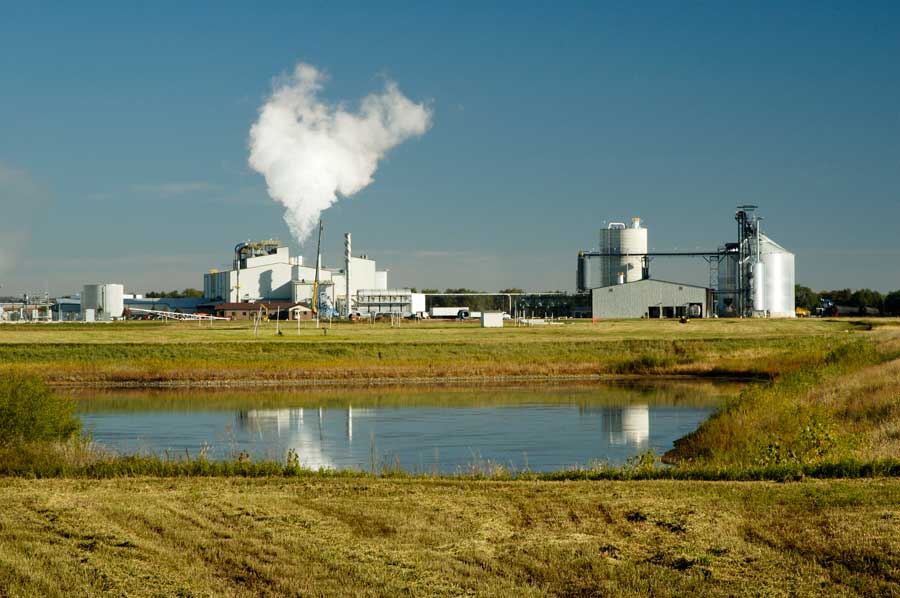
Walk through any major supermarket wine aisle and what you're really looking at is the output of a handful of massive agricultural conglomerates. The charming Italian-sounding name, the quaint label illustration, the "estate bottled" language — it's branding. Behind most bottles priced under $20 sits a production facility that processes millions of gallons of wine per year with the same romantic craft as a Pepsi bottling plant.
These aren't small family farms. They're factories. And like any factory, they have one job: produce a consistent, shelf-stable, visually appealing product at the lowest possible cost. To do that, they don't rely on good grapes and patience. They rely on additives.
Mega Purple is a grape concentrate so intensely pigmented that a small splash can turn a thin, pallid wine into a rich-looking, deep-red product. It also adds a characteristic sweetness that consumers often mistake for quality. It's in a lot of what you're drinking, and it's never on the label.
Dimethyl dicarbonate (DMDC), sold commercially as Velcorin, is added as a microbial stabilizer. It's acutely toxic during application — workers handle it in protective gear — but by the time it reaches the bottle, it has theoretically broken down. "Theoretically" is doing a lot of work in that sentence.
Then there are the fining agents. These include isinglass (dried fish bladder), gelatin, casein (milk protein), and certain forms of bentonite clay combined with potassium ferrocyanide — a cyanide-based compound used to remove heavy metals. Residual traces are considered safe by regulators. You still won't find it on any label.
- Can't afford oak barrels? They add oak "flavoring" extract — a synthetic shortcut masquerading as terroir.
- Wine isn't dark enough? They inject Mega Purple dye — far more common than the industry admits.
- Wine turns out cloudy? They use potassium ferrocyanide fining agents — yes, that's cyanide in the name.
- Aroma isn't "big" enough? They add synthetic enzymes to manufacture the impression of complexity.
- Too thin or sugary? They add acids and tannin powder — destroying whatever subtlety remains.
The additive issue is troubling. The pesticide issue is worse.
Conventional vineyards are among the most chemically treated agricultural operations in the world. Grapes are particularly susceptible to fungal disease and pests, meaning large-scale commercial growers often apply pesticides on a regular schedule throughout the growing season. Some of those chemicals show up in the finished wine.
A 2013 study from France found traces of pesticides in 90% of wines sold in supermarkets. A separate lab test of 10 Californian wines detected the weed-killer glyphosate in every single bottle. The World Health Organization has determined that glyphosate — the active ingredient in Roundup — may potentially promote cancer.
You can see why the alcohol industry fights tooth and nail to keep ingredients off labels — spending as much as $30 million on lobbying in a single year. You can also see why some people go to extreme lengths to find something better.
By the time a wine travels from producer to distributor to retailer to your hand, it has passed through a mandatory three-tier distribution system — a legal artifact of Prohibition-era regulation. Each tier takes its cut. A bottle retailing at $100 might have an actual production cost of around $20. The rest is logistics, middlemen, and margin.
When you buy a $15 bottle at a chain retailer, the wine inside may have cost a few dollars to produce. To hit that price point while absorbing distribution costs and still turning a profit, producers cut corners. Those corners are the grapes, the farming, the time, and the integrity of the process. The result is a product engineered to taste acceptable on the shelf — not something made to reflect a place, a vintage, or any real winemaking philosophy.
Before commercial winemaking became an industrial operation, wine was a living product. Grapes grown in specific soils, harvested by hand, fermented with wild yeasts present on the grape skins, aged without a chemical arsenal, bottled with nothing added and nothing taken away.
That wine wasn't just better for you. It tasted different. It tasted like somewhere. The tannins were real. The color was natural. The slight sediment at the bottom of an unfiltered bottle wasn't a defect — it was evidence that the wine was still alive.
Filtration — which most commercial producers use to guarantee visual clarity and shelf stability — strips out the compounds responsible for texture, complexity, and what discerning wine drinkers call "mouthfeel." Robert Parker, one of the most influential wine critics of the modern era, put it plainly: anyone who claims that excessive filtration doesn't damage wine is "either a fool or a liar." You are, quite literally, paying to have flavor removed.
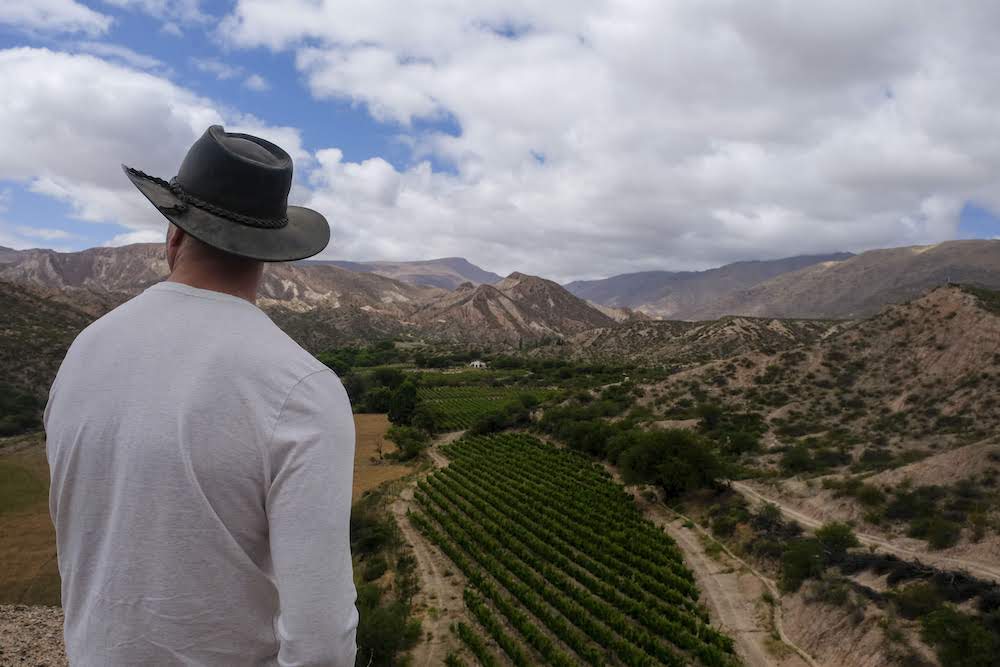
Five hundred miles north of Mendoza's five-star hotels lies a valley squeezed between miles of desert on one side and the jagged peaks of the Andes on the other — the Calchaquí Valley, arguably the world's most isolated wine region.
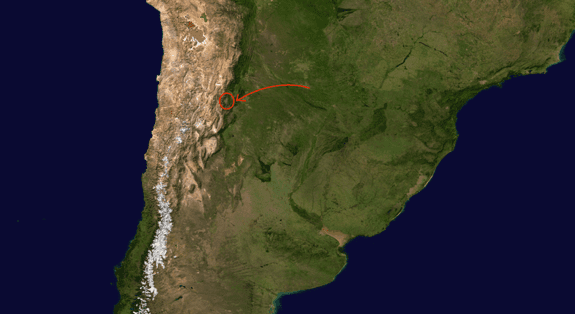
Nearly two hundred years ago, a few brave souls carried malbec grapes across the Andes from Chile. After a blight wiped out virtually all of Europe's malbec vines, these remote Andean vineyards were left untouched. The old French vines remain there today — older than anything you'll find in Bordeaux, still on their original rootstock, completely unaffected by phylloxera.
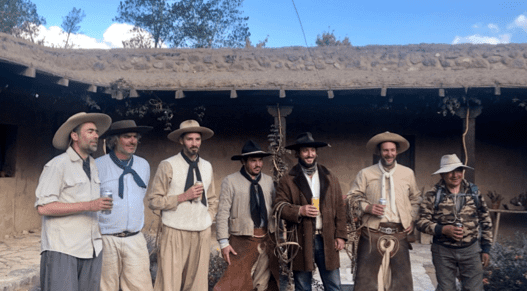
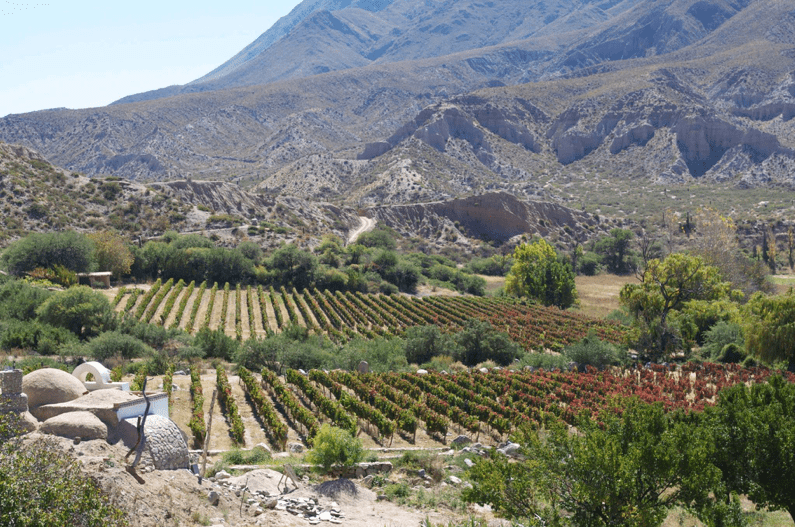
The environment is brutal. Gale-force winds. The sun delivers 80% more UV intensity than Bordeaux. At night, temperatures can plunge by as much as 77 degrees. The altitude exceeds 8,000 feet. These conditions force the vine to fight — and a vine that fights produces grapes of extraordinary concentration and purity.
High-altitude growing also means virtually zero pests and fungus. The higher you go, the less you need to coat vines with antifungals and pesticides. The result is wine that is naturally clean — not chemically stripped clean, but genuinely, inherently pure.
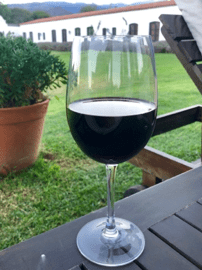
Lab testing comparing extreme altitude malbec against common California reds found striking differences. The near-black color of these wines — which first-time drinkers often find startling — is a direct sign of extreme resveratrol levels. This isn't Mega Purple. This is what happens when a vine fights to survive at 8,000 feet for over a century.
According to Harvard Professor David Sinclair, PhD, resveratrol activates the "sirtuin pathway" in the human body — the same longevity mechanism the vine uses to survive extreme stress. As Sinclair put it: if you stress a grape, you get great wine, but you also get a lot of resveratrol — and when we ingest it, we get the same resilience benefit as the plant.
- 10× more resveratrol — linked by Harvard research to the human longevity pathway
- 93% less sugar — no watered-down grapes, no added sweetness masking a thin palate
- 80% higher anthocyanin levels — antioxidants that lab models suggest may have anti-tumor properties
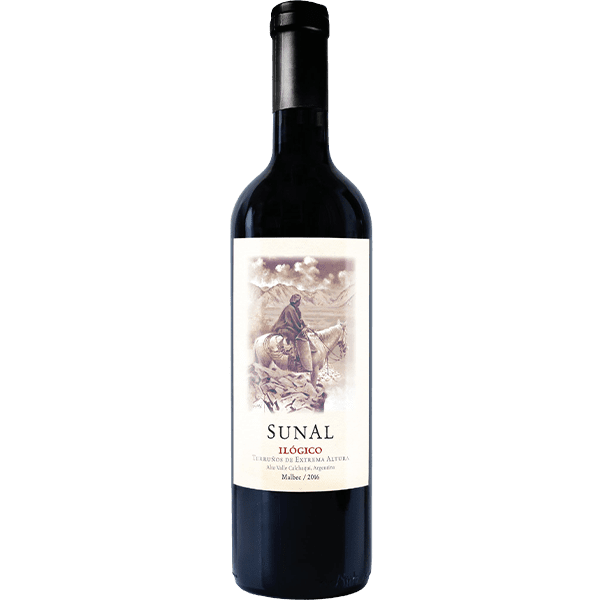
In 2019, winemaker Augustín Lanús made a malbec from a small vineyard called Luracatao — sitting at 8,950 feet above sea level in Argentina's Calchaquí Valley, the third highest commercial vineyard on earth.
When he first fermented the grapes, something unexpected happened. The wine's color was so extraordinarily deep — so dense with natural pigment — that it permanently stained his stainless steel fermentation vats red. They scrubbed them. The color didn't come out.
He called the wine Sunal Ilógico. Ilógico — illogical — because nothing about it made rational sense by modern winemaking standards. The color shouldn't be that dark. The resveratrol levels — lab-tested at 10 times that of a standard California red — shouldn't be that high. The finish, the texture, the sheer presence of the wine in the glass shouldn't be possible from a vineyard most of the world has never heard of.
And yet here it is.
Sourced directly from Augustín Lanús's vineyard at 8,950 feet. No additives. No filtration. No Mega Purple. No three-tier markup. Shipped straight to your door.
Get Sunal Ilógico — From $36/bottle →
At this altitude, there are virtually no pests, no fungus, no need for the pesticide schedule that conventional lowland vineyards run like clockwork. The grapes grow slowly, stressed by thin air and intense UV radiation, producing a third of the yield of a normal vineyard — and triple the concentration.
No Mega Purple. No Velcorin. No potassium ferrocyanide. No filtration. No fining agents. The wine contains exactly what nature put in it and nothing else. The ingredient list, if wine were required to have one, would read: grapes.
In a blind tasting conducted by one of Argentina's most respected wine curators, Joaquin Aberdi, Sunal Ilógico placed first in its category. Critic Mariano Obrega named it his number one wine of the year. The bottle that stained the fermentation vats is the same bottle that beat everything else in the room — including wines three and four times its price.
And until recently, you couldn't get it in the United States. The production is tiny. The valley is remote. The three-tier distribution system that governs American wine retail has no mechanism for wines like this — too small, too far, too inconvenient. The entire vintage sells out in 24 hours to private South American collectors. The occasional bottle that surfaces at a U.S. retailer goes for over $60.
Sourced directly from Augustín Lanús's vineyard at 8,950 feet. No additives. No filtration. No Mega Purple. No three-tier markup. Shipped straight to your door.
Get Sunal Ilógico — From $36/bottle →
Independent lab testing compared Sunal Ilógico against standard California red wines. The results were striking enough that we've had them verified multiple times.
The near-black color that surprises first-time drinkers isn't a trick of the light or an additive — it's a direct visual indicator of extreme resveratrol concentration. According to Harvard Professor David Sinclair, PhD, resveratrol activates what he calls the "sirtuin pathway" — the same survival mechanism the vine uses to cope with extreme altitude stress. When we ingest it, Sinclair's research suggests we get a version of the same resilience benefit.
This isn't a health claim. It's a chemistry fact. The same conditions that make the industrial wine system unnecessary at 8,950 feet — no pests, no fungus, no chemicals needed — are also the conditions that produce a wine with a nutritional profile that looks nothing like what's in your Friday night supermarket bottle.
Sunal Ilógico vs. Standard California Red — Lab Tested
The next time you reach for a bottle, ask the question the wine industry has spent decades discouraging: what's actually in this?
If you can't answer it — if the label gives you nothing, if the winemaker is a corporation, if the grapes came from three different counties blended into a "California" designation — that silence is the answer.
Sunal Ilógico is the answer to a different question: what does wine taste like when none of those shortcuts were ever taken? When the vineyard is so remote, so high, so naturally hostile to disease that the entire industrial additive playbook simply wasn't needed?
It tastes like black olive and violet and graphite and dark fruit. It tastes like somewhere very specific and very far away. It stains the glass. It has almost no sugar. And it contains nothing you'd be embarrassed to find on an ingredient label — because every compound in the bottle came from a vine clinging to a mountainside at 8,950 feet, with no help from anyone.
Sourced directly from Augustín Lanús's vineyard at 8,950 feet. No additives. No filtration. No Mega Purple. No three-tier markup. Shipped straight to your door.
Get Sunal Ilógico — From $36/bottle →