
A Report From Wine Explorer Diego Samper
Paris, France
Wine does not usually enter our lives through books, scores, or lectures. It sneaks in through family, friends, or a moment you weren’t expecting.
Last month, the wine world buzzed because Taylor Swift appeared drinking Sancerre in tour-related footage. Bottles disappeared from shelves in the US. Some people rushed to Google the appellation. Others dismissed it as hype. What mattered was something else entirely. Wine had slipped into the scene without explanation.
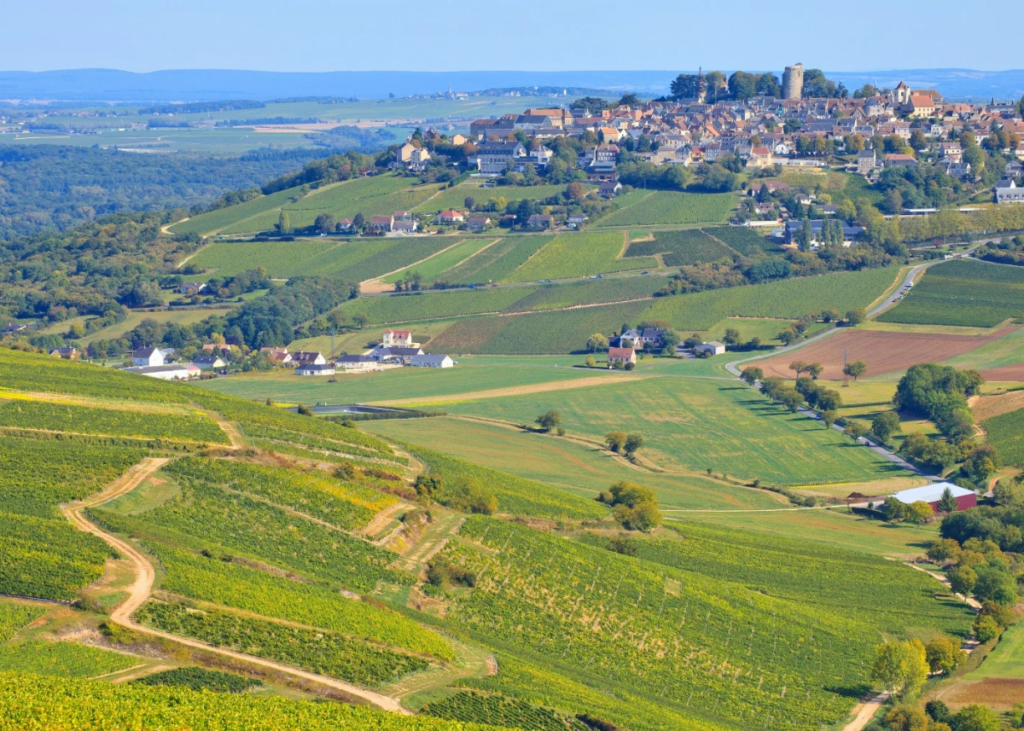
Sancerre is a historic French wine region in the Loire Valley, known especially for its crisp, mineral-driven Sauvignon Blanc whites.
I like Sancerre too. I liked it before Taylor Swift, and I will like it long after. It has been on the radar for the club for a while. We just haven’t found the right fit yet.
The region produces mostly white wines — roughly 80% — with far fewer reds. And we’re picky about what we bring. That’s what real curation looks like. Some regions ask you to wait.
That’s how wine works.
A friend recommends something. You open it together. Then you talk about it. The curiosity is not private. It’s shared. The same glass. The same table. Wine rarely convinces on its own. It persuades through company.
That’s also how the club is built.
Wine in Culture
This isn’t new.
When Lionel Messi mentioned in an interview that he sometimes drinks wine mixed with Sprite because it hits faster, people overthought it. The brands. The optics. They missed the point when they tried to judge it. Wine wasn’t being elevated or mocked. It was being used. Casually. As part of life.
Wine has always lived there.
Tony Soprano didn’t drink wine to signal taste. He drank it because that’s what was on the table. It was part of the room. Chianti wasn’t a statement. It was dinner.
When Sideways made Merlot unfashionable and Pinot Noir irresistible, the industry panicked. Sales charts shifted. Fingers were pointed. But the movie didn’t kill Merlot. It exposed something fragile that was already there. People were waiting for permission to like something else.
When wine hits the screen, it matters.
Not because viewers learn anything technical. Not because they memorize regions. But because wine becomes visible as something lived with. A prop, yes. But also a companion.
That’s why a moment from Better Feed Phil still matters, even though it aired back in 2018. In the Buenos Aires episode, during the final meal, Phil Rosenthal drinks a bottle of Tacuil. There’s no explanation. No close-up. No lecture. If you noticed it, you noticed it. If you didn’t, the wine still did its job. It belonged.
Today, athletes post their wine cellars on social media. NBA players. NFL players. Not to show labels or scores, but to show pride. A cellar is no longer a secret handshake. It’s a sign that wine belongs in their lives too.
Some of this is hype. Of course it is. But hype is not the enemy. Intimidation is.
Every wine drinker started somewhere unserious. A mixed drink. A bottle ordered because someone else liked it. A glass poured without context. Curiosity came first. Knowledge followed later, if at all.
I’m not Taylor Swift. I don’t move markets. What I drink doesn’t sell out regions. But when a friend says, “Try this,” and we open it together, wine does what it has always done best.
It creates a moment worth talking about later.
That’s not hype. That’s culture. That’s human.
Drink wine.
Cheers,
Diego Samper
Wine Explorer