
A Report From Wine Explorer Diego Samper
Paris, France
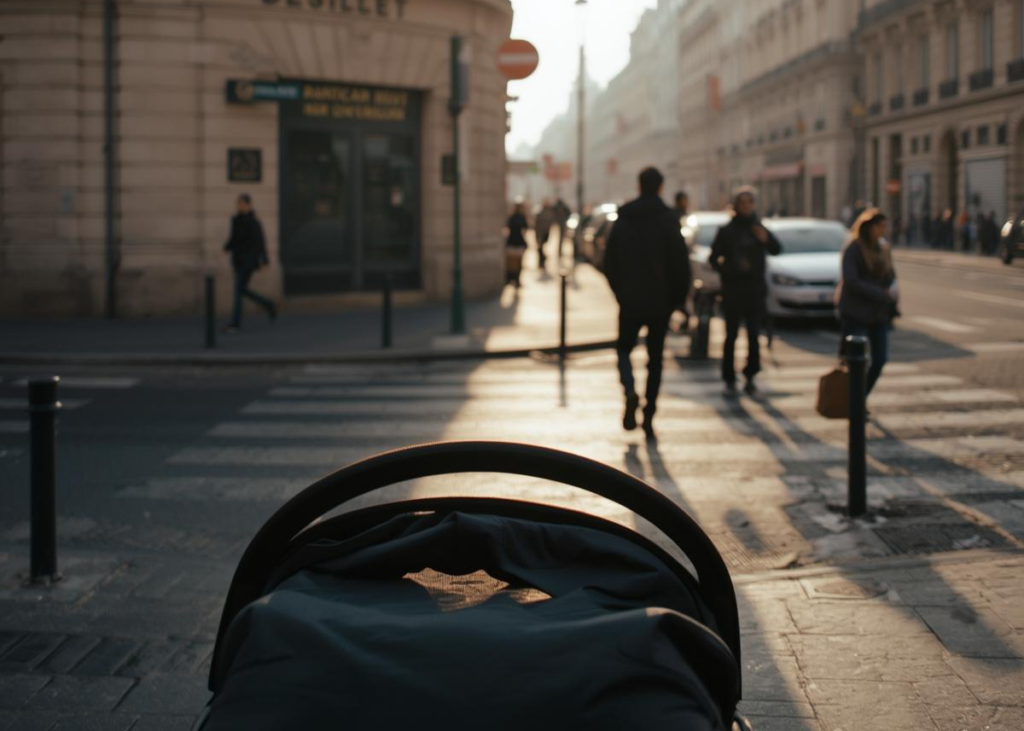
Every morning, near a Métro stop in the 9th, I pass the same corner pushing my six-month-old son in his stroller.
There’s a man there selling smuggled cigarettes. No stand. No sign. Just a plastic bag, a glance, and a nod to people who already know what’s happening. The police probably know. The neighbors certainly do. Nobody panics. It’s not an endorsement. It’s simply part of the street.
People enjoy their cigarettes. After coffee. During a walk. At the end of a long day. I’m not a smoker myself, but I know this is something I’ll have to explain to my son sooner rather than later. What the man is selling. Why people buy it. What cigarettes do. And what they cost.
That conversation is surprisingly straightforward.
We’ll pass through this corner twice a day. Over time, he’ll absorb it the way children do. Not as a lesson. Just as part of the landscape. Familiar before meaningful.
Six months old. Eyes wide open. Taking everything in. He’s going to see the exchange. He’s going to see the cigarettes. I’m not going to worry. That would be absurd. My job isn’t to pretend the world doesn’t exist. It’s to teach him how to move through it, consequences included.
Wine and the Language Around It
Wine, oddly enough, doesn’t get that same honesty.
Somewhere along the way, we decided adults couldn’t be trusted with it. As if the sight of enjoyment needed buffering. As if pleasure required disclaimers, warnings, and nutritional math before it could be acknowledged.
You can hear that discomfort in how we talk about wine:
-
Cherry
-
Tobacco
-
Leather
-
Minerality
-
A long finish
It reads like a police sketch of a beverage.
Clinical. External. Safe.
We describe what wine is, never what it does. We don’t say it made the evening better. We don’t say it relaxed the table. We don’t say it made people happy.
When consumed in moderation, that’s exactly what wine has always done.
How Tasting Notes Took Over
The reason the language sounds so distant isn’t because wine is complicated. It’s because the language wasn’t invented for normal people.
Tasting notes began as professional shorthand. Tools for merchants and buyers comparing bottles across regions and vintages. Cherry meant ripe fruit. Tobacco suggested age. Acidity and tannin were reference points. Precision mattered more than poetry.
Then that internal language escaped onto labels, menus, and websites. Suddenly, enjoying wine came with homework. If you didn’t taste what the note said you should taste, you assumed the problem was you.
It wasn’t.
Most people experience wine as appetite, ease, and conversation. As a bottle opened at a table. And there’s a reason for that.
A bottle isn’t sized for one person. Seven hundred and fifty milliliters assumes company. Food. Time. Wine is meant to be shared.
The Bonner Private Wine Partnership
That’s how I think about the wines we send through the Bonner Private Wine Partnership.
They’re not riddles or status objects. They’re bottles meant to be opened with other people. Wines made by growers who expect them to be drunk, not studied. Shared, not decoded.
If you’ve ever felt that wine sounded intimidating, that wasn’t a failure on your part. You were never supposed to need a vocabulary to enjoy yourself.
Wine should feel as normal as that street corner. Not forbidden. Not performative. Just part of the table.
Talk soon,
Diego
Wine Explorer
P.S. If you ever feel unsure about wine, that’s not a gap in knowledge. It’s a signal you were meant to enjoy it, not analyze it. That’s how we think about the Bonner Private Wine Partnership too — bottles chosen to be opened with food and other people. No vocabulary required.