Dear Member,
Located just over the Andes Mountains from Argentina’s Mendoza region, it can be tempting to describe Chilean wine as analogous to its eastern sister.
True, there are similarities: vineyards planted in Andean foothills; a Bordeaux grape once thought lost, rediscovered to great acclaim; a region so isolated it escaped the phylloxera blight; and a wine industry once considered “bargain” now reaching for a place on the upper shelves.
Yet to visit Chile’s vineyards—even those close to the Andes—is to discover a winemaking scene that feels just as foreign to the Calchaquí as Tuscany does.
Argentina, particularly in its extreme-altitude zones, is defined by high desert: dry, thin air unable to retain heat at night; brilliant daytime sun; scarce water; infertile soils. Chile’s terroirs, by contrast, are small Edens—low altitude, fertile, and well irrigated by melting snow that runs through channels carved into bedrock by glaciers tens of thousands of years ago.
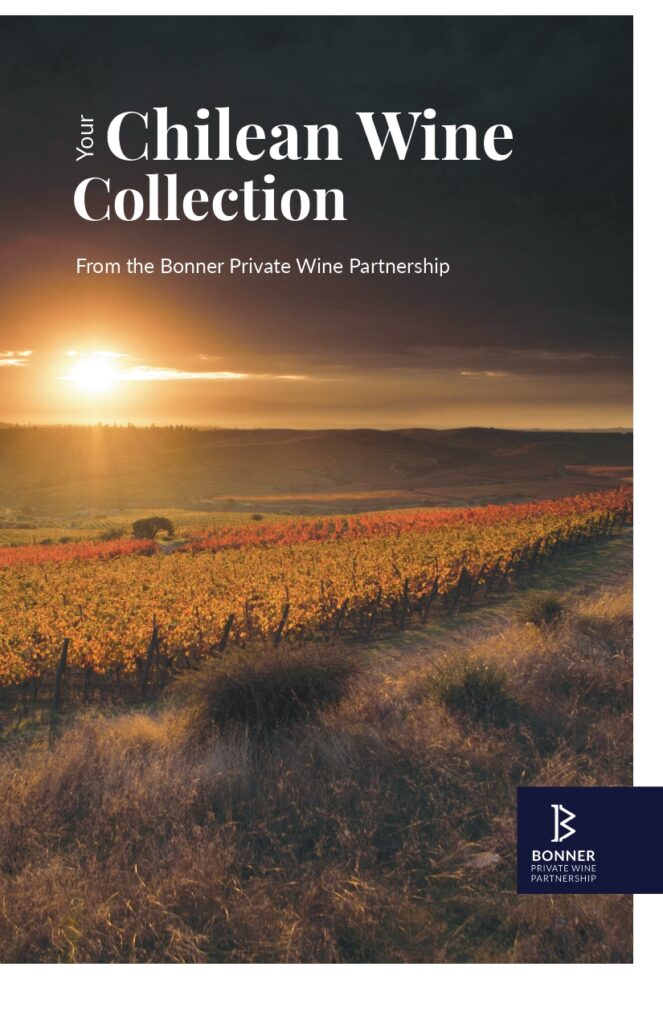
Here, the dominant influence is not mountain but sea. Vines bathe in Pacific breezes—stripped of excess moisture by a small coastal range—creating a Mediterranean climate that any European would consider close to grape-growing perfection.
Still, until the 1980s, Chile suffered from its idyll. Thin margins tempted winemakers to fatten yields with excess water (faire pisser la vigne, as the French call it). Before long, Chile became synonymous with cheap wines that, while not necessarily bad, were unremarkable—and therefore not worth exporting.
In the 1980s, wine improved nearly everywhere. California reveled in its triumph over Bordeaux. Wall Street elites fell for Super Tuscans. Argentina began taking its Malbecs seriously. And in Chile, a French winemaking legend saw a diamond in the rough.
Alexandra Marnier Lapostolle of Grand Marnier acquired property in the Colchagua Valley, bringing in Michel Rolland—the same Frenchman who would later help transform Argentina’s industry. Other illustrious Europeans followed: Torres, Rothschild, Margaux.
Cabernet Sauvignon became the signature grape, and Chile seemed destined to become a Bordeaux of the Southern Hemisphere. But in the 1990s, Chile discovered its own Malbec: Carménère, a “lost” Bordeaux grape that had been growing in Chile for more than a century in disguise.
Today, Chile is no longer beholden to Bordeaux for its identity. Instead, it is a patchwork of winemakers pursuing their own definitions of perfection—from Cabernets that could cast a shadow over Margaux to frontier iconoclasts that allow no easy comparisons.
In This Box
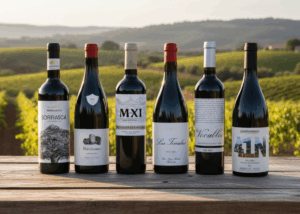
In this box, you will find six bottles:
Chile diVino La Confundida 2021
Antawara Barrel Selection 2018
Loma Larga Rapsodia 2012
Viñedos Calcu Fotem 2019
MontGras Intriga 2021
Casa Silva S38 2020
Welcome to Chile.
Salud,

Will Bonner
Founder, Bonner Private Wine Partnership