
Dear Member,
In 1911, the grape growers of Champagne rose up in revolt.
They hijacked trucks, burned warehouses, ransacked cellars, and destroyed millions of francs’ worth of wine. An entire boulevard in the village of Aÿ became a smoking ruin. The Bolsheviks joined in. The anarchists too. Their red flags, waving in harmony with refrains of L’Internationale, became a common sight atop the revolt’s numerous street barricades. The army was deployed, then overrun, then redeployed.
The conflict arose out of a disagreement over the name Champagne.
Local négociants—merchants who bottled and sold the wine—wanted to sell wine made with grapes imported from Spain and Algeria, much to the indignation of the grape growers. But the growers themselves were divided. Those of the Marne (then, as now, Champagne’s dominant region) sought to exclude those of the Aube (Champagne’s historical home, but far less developed than its neighbor) from using the Champagne name.
Things took a breather when an unsuspecting German army wandered into the fray, the Champagne region of the Marne representing the high-water mark of its 1914 invasion of France. No sooner was the armistice signed, however, than hostilities resumed—ending only in 1927 with the codification of Champagne’s present boundaries.
When the French make a big stink about winemakers in, say, California making “champagne,” this is why.
The fault lines have yet to completely heal. The Marne remains the guardian of Champagne’s most prestigious brands, and all that comes with them. The Aube remains rural and artisanal, more committed to the art of winemaking than the business of it. If the Marne produces exactly what you would expect from a fine bubbly, the Aube is the realm of the dark horse.
You can taste one of those for yourself in this collection’s bottle of Robert Grandpierre, whose makers are direct descendants of Armand Robert—a leader on the Aube side of the 1911 conflict.
Dark Horses of France
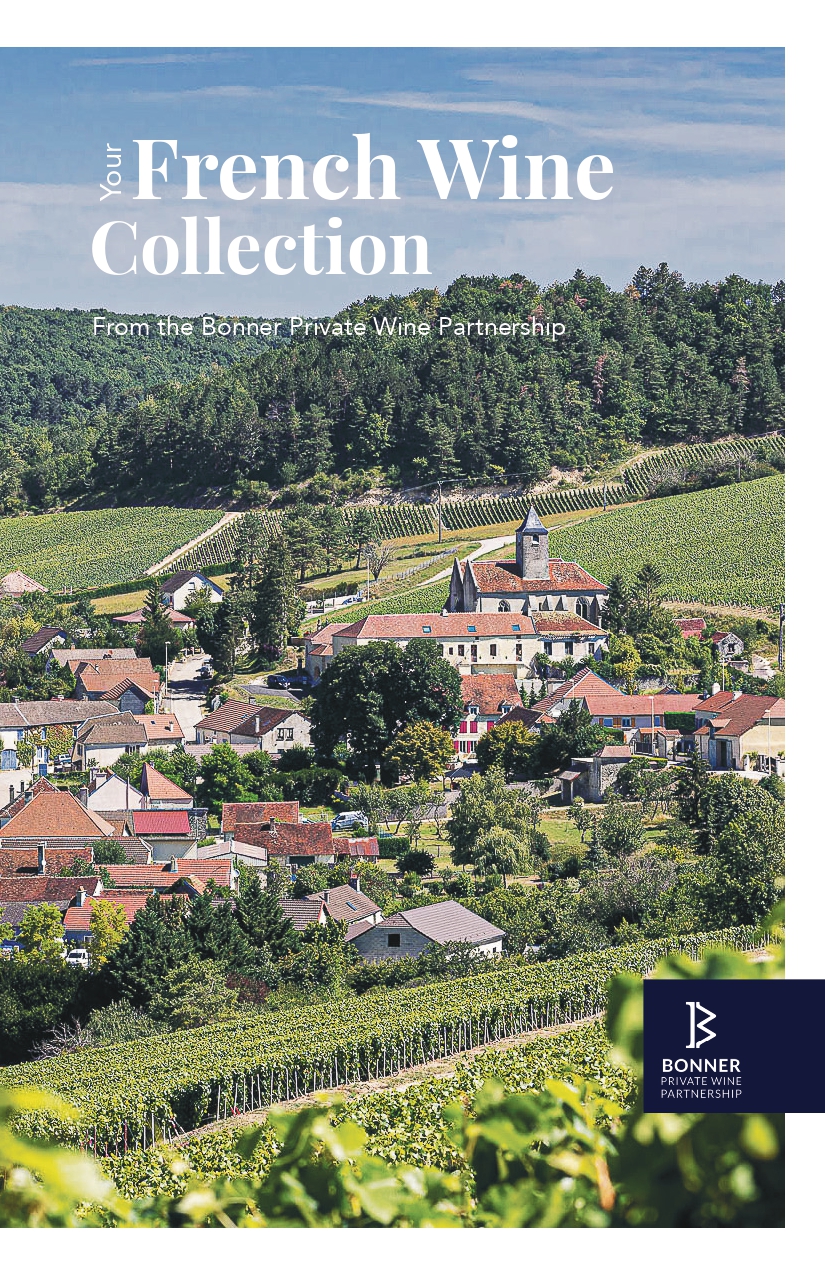
This collection is all about dark horses from some of France’s biggest names.
You have had Bordeaux, of course—and Champagne, and Rhône, and perhaps even Languedoc-Roussillon. But these are large regions. And if you avoid the well-trod paths promoted by most wine critics, tour operators, and, let us be honest, your local fine wine shop, you will find smaller pockets where terroir and winemaking combine to extraordinary, unexpected effect.
In This Box
In this box, you will find six bottles:
Château Beau-Site Haut-Vignoble, Saint-Estèphe 2015
Château Lalande-Poitevin, Graves 2018
Château Les Pins, Côtes du Roussillon Villages 2017
Domaine Les Ondines, Vacqueyras “Passion” 2016
Robert Grandpierre, Champagne Brut Blanc de Blancs
Oz de Cailleteau, Blaye Côtes de Bordeaux 2020
Together, these six represent a journey that took us from the quartz-pebble terroirs of Graves, to the windswept plains of Vacqueyras, to the sea fossils of the Côte des Bar—all in search of that intangible property of wine that stirs the hearts of men to such passionate heights that they will burn the whole world in its defense.
Salud,
Will Bonner
Founder, Bonner Private Wine Partnership