The wine my father found at the end of the road
An invitation to join the Bonner Private Wine Partnership
See the invitationSix bottles, four times a year. From small-batch winemakers across the globe.
Dear Reader,
My father has spent fifty years writing to you about money. I'm writing to you about the one thing he bought that has never made him any.
In 2005 he called me from Argentina. He'd found a ranch at the far end of the Calchaquí Valley — six hours from the nearest city, over a road that is mostly dry riverbed. In the old language of the valley its name means, more or less, the end of the road.
He bought it. I thought he had lost his mind.
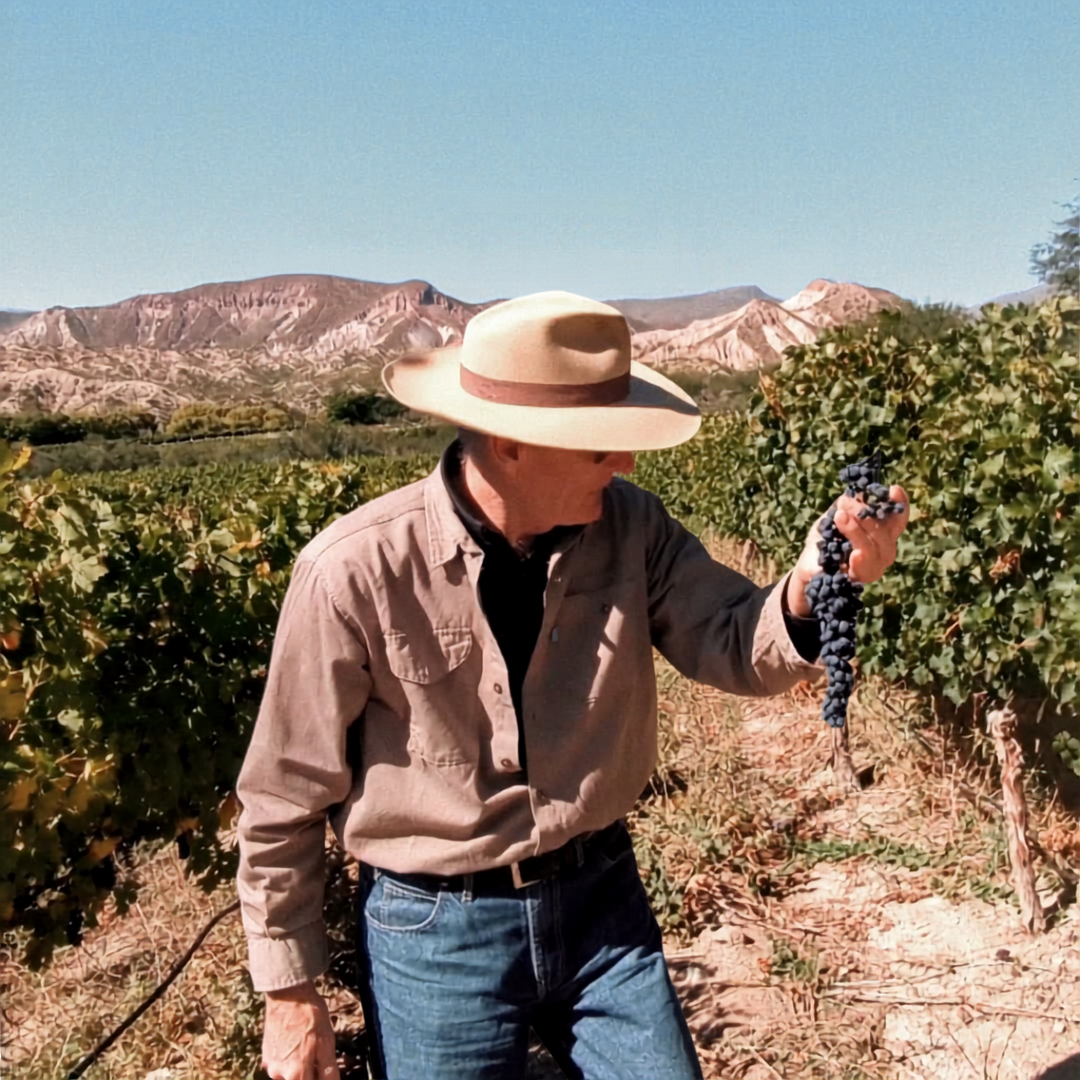
It took me three days to get out there. When I finally did, I understood. Gualfín sits at 8,421 feet. The air is thin enough to slow you down. The sun is brutal — roughly 80% more ultraviolet than Bordeaux gets. The temperature falls seventy degrees between the afternoon and the middle of the night. Nothing about the place says grow wine here.
And yet there, half-forgotten on the flat above the house, was a vineyard of old Malbec. Still alive. Still on its original rootstock, because phylloxera never bothered to climb that high.
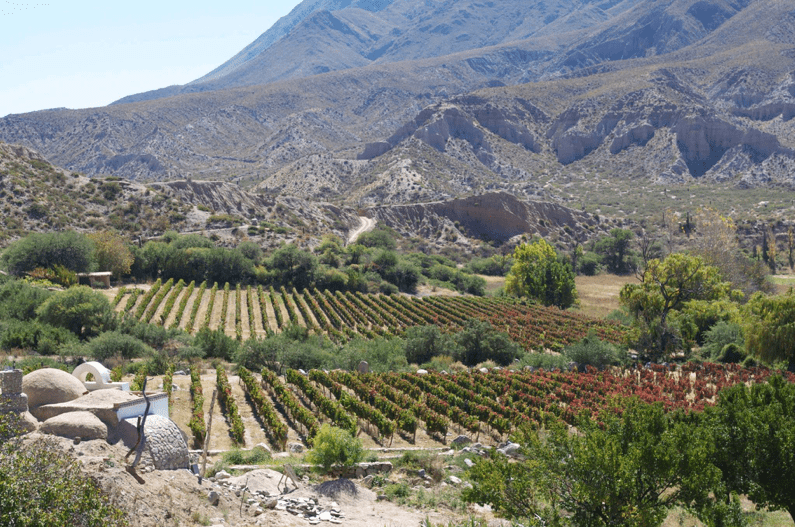
Twenty-one years later, Gualfín has still never really made money. Some years the cattle carry it. Some years the wine. Never both.
I've stopped apologising for that, because it turns out to be the whole point. Nobody is optimising this wine. There is no marketing department, no flying consultant from Napa sanding off the edges to hit a flavour profile. The grapes are small and thick-skinned because the vine spent all year under pressure, and what comes out of them is dark, concentrated and slightly wild.
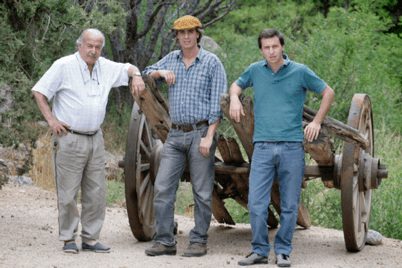
The man who makes it is Raúl Dávalos, a few kilometres down the valley at Tacuil. His family has been making wine in that valley for six generations. When we first brought him our grapes, nearly a decade ago, he tasted what came out and said it was easily as good as his own. That was the whole business plan.
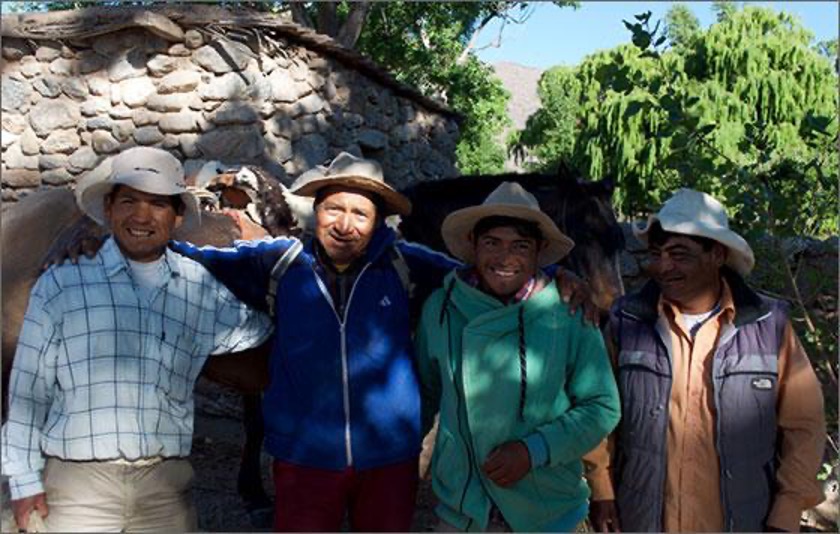
Gualfín supported twenty-six families when Dad bought it. Fewer now, but they are still the reason any of it works — they raise the cattle, tend the vines, keep the road open and bring in the harvest. Their lives are tied to that valley. So is the wine.
A late frost took the flowering in the spring of 2023 and the young fruit simply fell off the vine. What survived made 2,800 bottles — the most concentrated wine we have made, and barely enough to call a business.
Which is the problem with wines like this, and the reason I started the Partnership in the first place. The producers up there are too small and too remote to interest an importer. Their wine never reaches an American shelf. The only way to taste it is to know somebody who goes and gets it.
So that is what we do — and not only in Argentina. Four times a year we send a box to a private circle of readers here in the States. I would like you to be in that circle.
"Easily as good as mine."— Raúl Dávalos, sixth-generation winemaker, Bodega Tacuil, on tasting the first Tacana
Journey through the world's most extraordinary wine regions
Argentina is where we started and where we still farm. But each quarterly collection lands somewhere different — its altitude, its traditions, and the family that works the land.
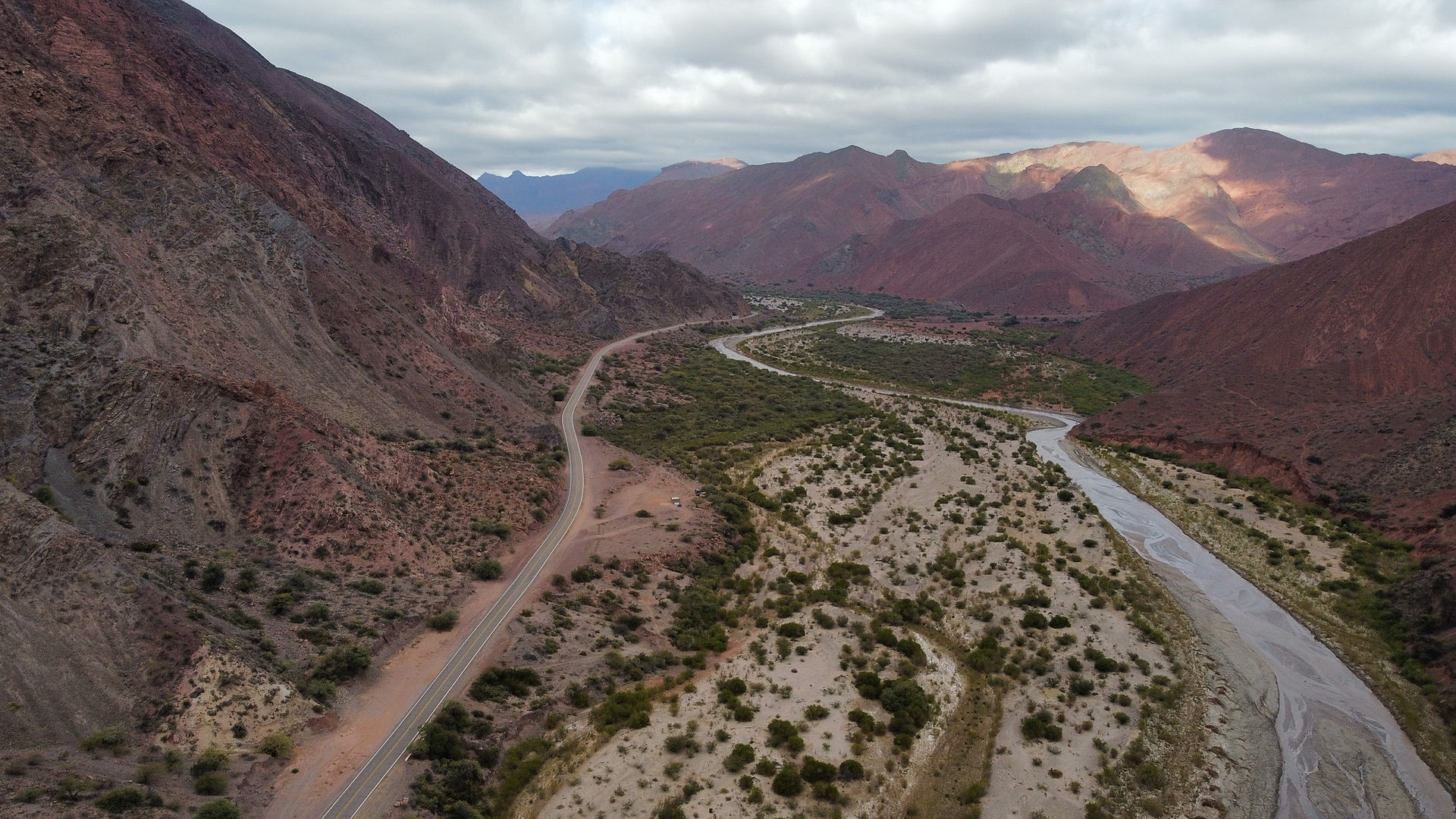
Salta, eight to nine thousand feet up. Vines still on their own roots because phylloxera never climbed this high, farmed by a handful of families six hours from the nearest city. Brutal sun, seventy-degree swings between afternoon and night, and wine with nowhere to hide.
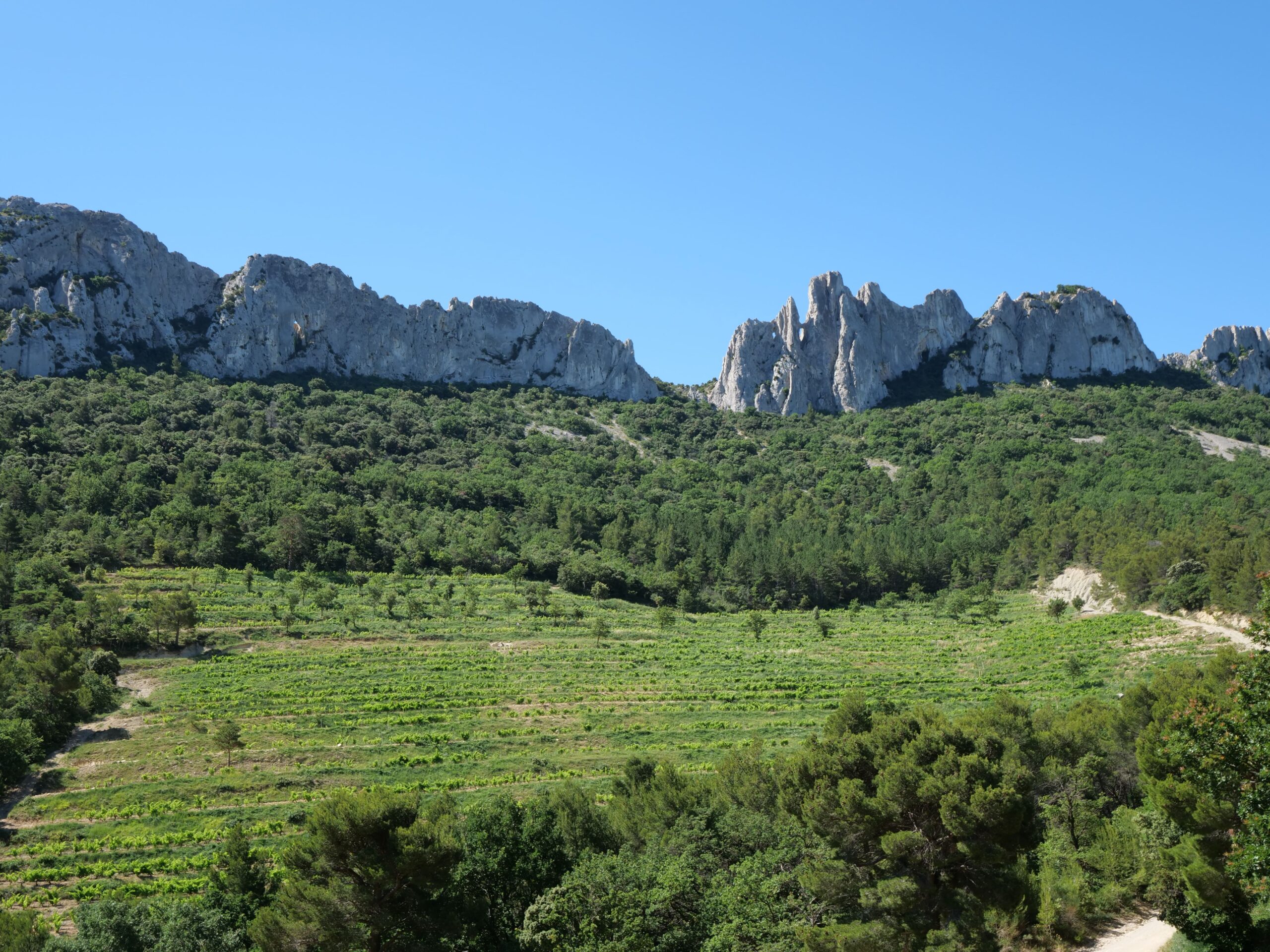
Grenache, Syrah and Mourvèdre grown at the foot of the Alpilles, where the mistral keeps the fruit clean enough that organic farming is the sensible option rather than the expensive one. Big names nearby; better land, often, on the small estates beside them.
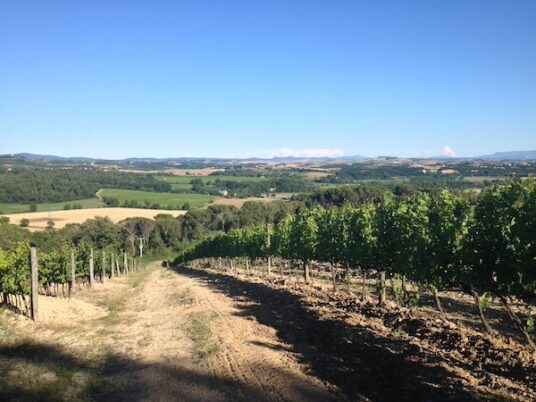
Sangiovese from Chianti Classico and the hills around Siena, from estates that have stayed in the same families long enough to remember what the land did before anyone had an opinion about it. Organic more often than certified.
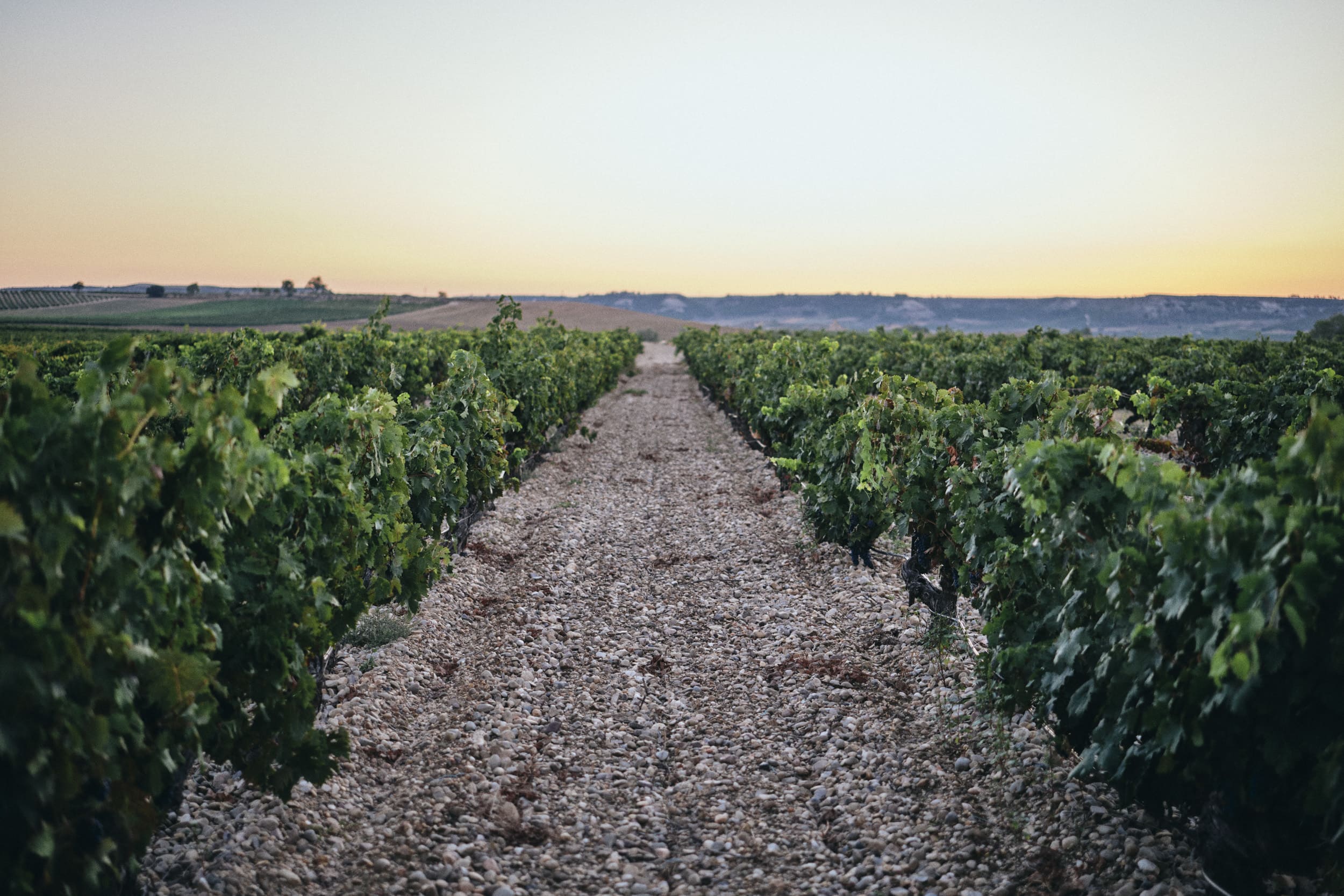
Tinta de Toro on gnarled pre-phylloxera vines that predate almost every winery now selling from the region. Farmed on a dry, punishing plain that gives the wine a slow-burning weight you cannot manufacture in a cellar.
Past quarterly collections have also gone to Australia and New Zealand. We go where the wine justifies the trip.
Two of the six in your first box
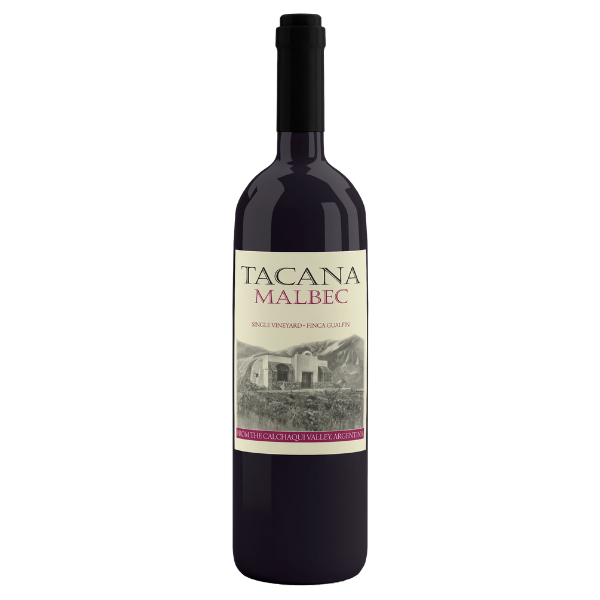
Inky, almost black in the glass with a purple rim. Blackberry and dark plum, then something drier underneath — leather, cocoa, a little mint. It has grip without being heavy.
This is the wine we drink at the house. Steak, obviously. But it will take almost anything.

From the third-highest vineyard in the world. Tighter and more nervous than the Tacana — red fruit, wild herbs, and a line of acidity that keeps the whole thing upright.
Lanús is the closest thing the valley has to a rebel. This is his most honest bottle.
The other four rotate. Past boxes have carried Tacuil, Casarena, Piloto de Prueba and, in other quarters, wines from France, Italy, Spain and Australia.
A few of the vineyards behind the bottles
No warehouses, no brokers, no négociants buying in bulk and putting a label on it. We deal with the people who grow the fruit — so you can see exactly where a bottle came from.
8,421 ft
The Bonner family ranch, and the reason any of this exists. Old Malbec on original rootstock, farmed organically, no oak, unfiltered. Once supported twenty-six families.
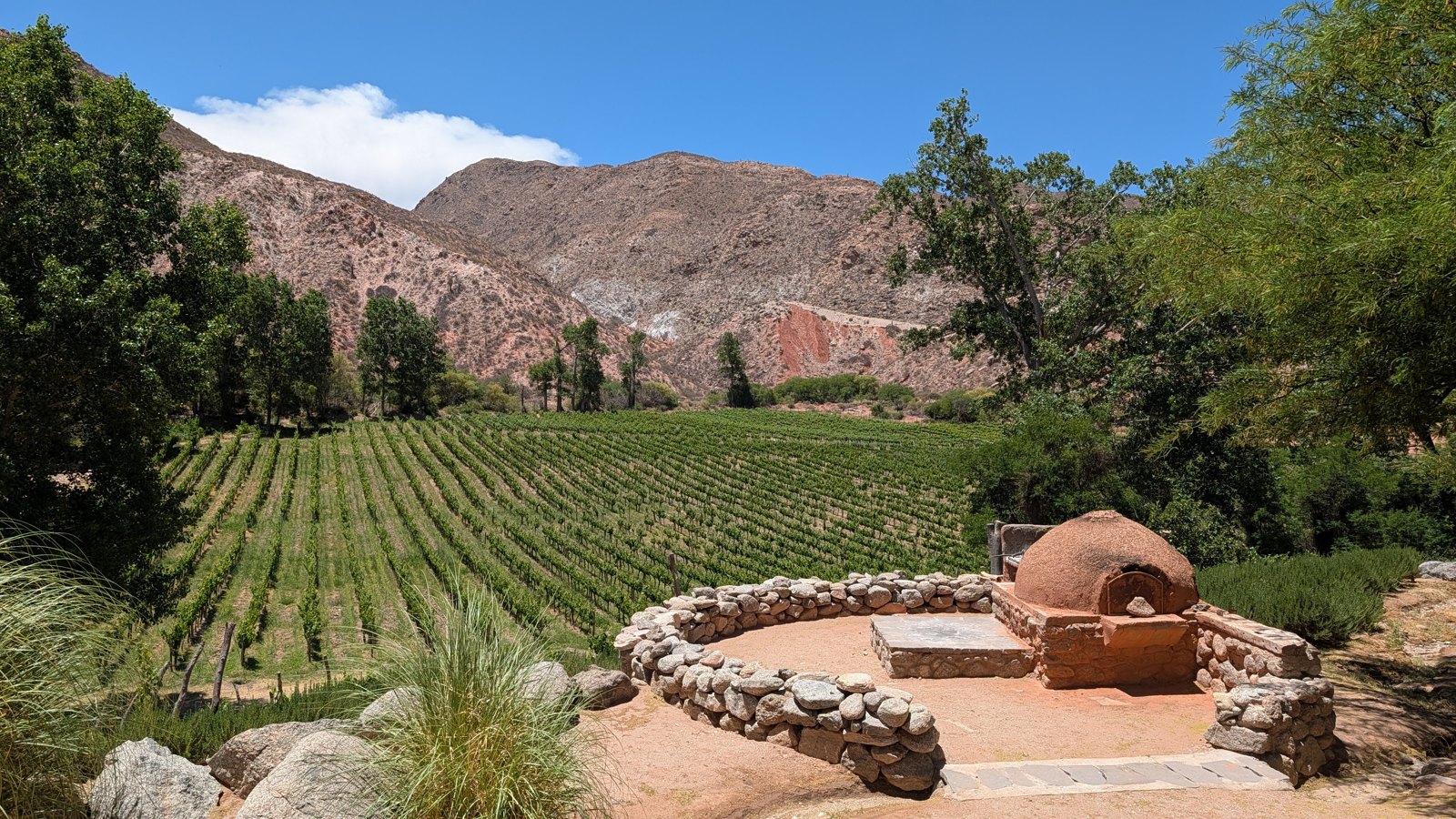
Dávalos family
Six generations of winemaking a few kilometres down the valley. Raúl Dávalos makes our Tacana alongside his own wines, on ungrafted vines at around 2,200 metres.
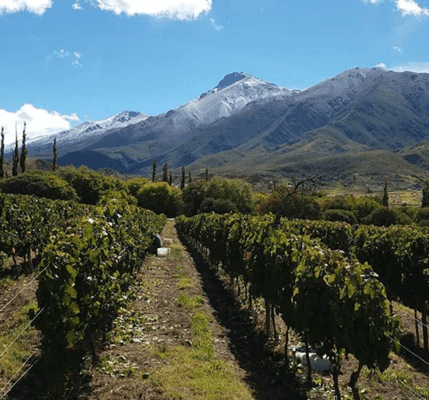
8,950 ft
Agustín Lanús works the third-highest vineyard in the world. Old-vine Malbec and Criolla, indigenous yeasts, concrete rather than oak. Exclusive to the Partnership in the U.S.
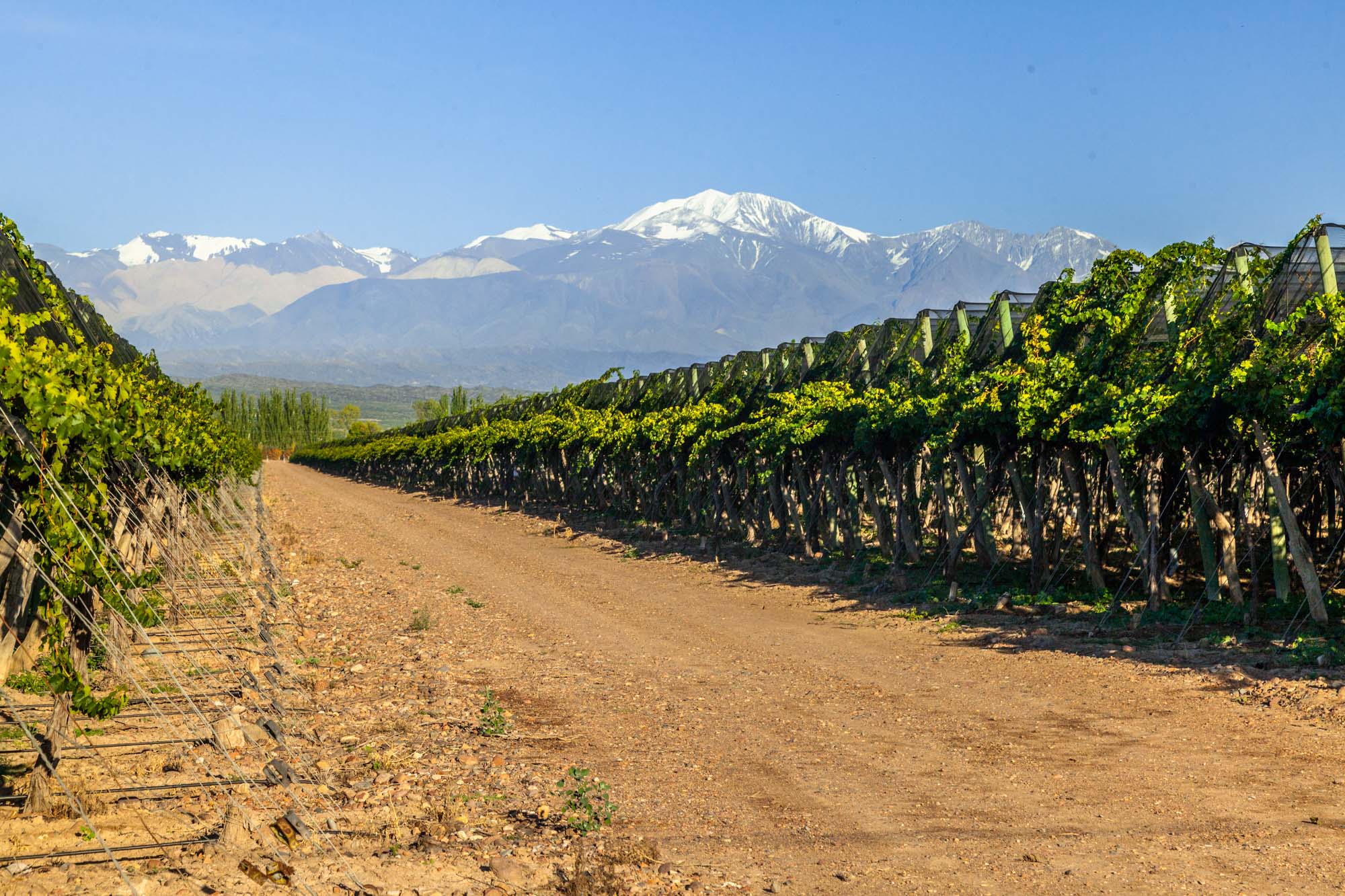
Owen & Naoki vineyards
Single-vineyard Cabernet and Malbec from vines averaging over eighty years old, hand-harvested. Limestone underneath gives the fruit a lift you rarely get from Mendoza.
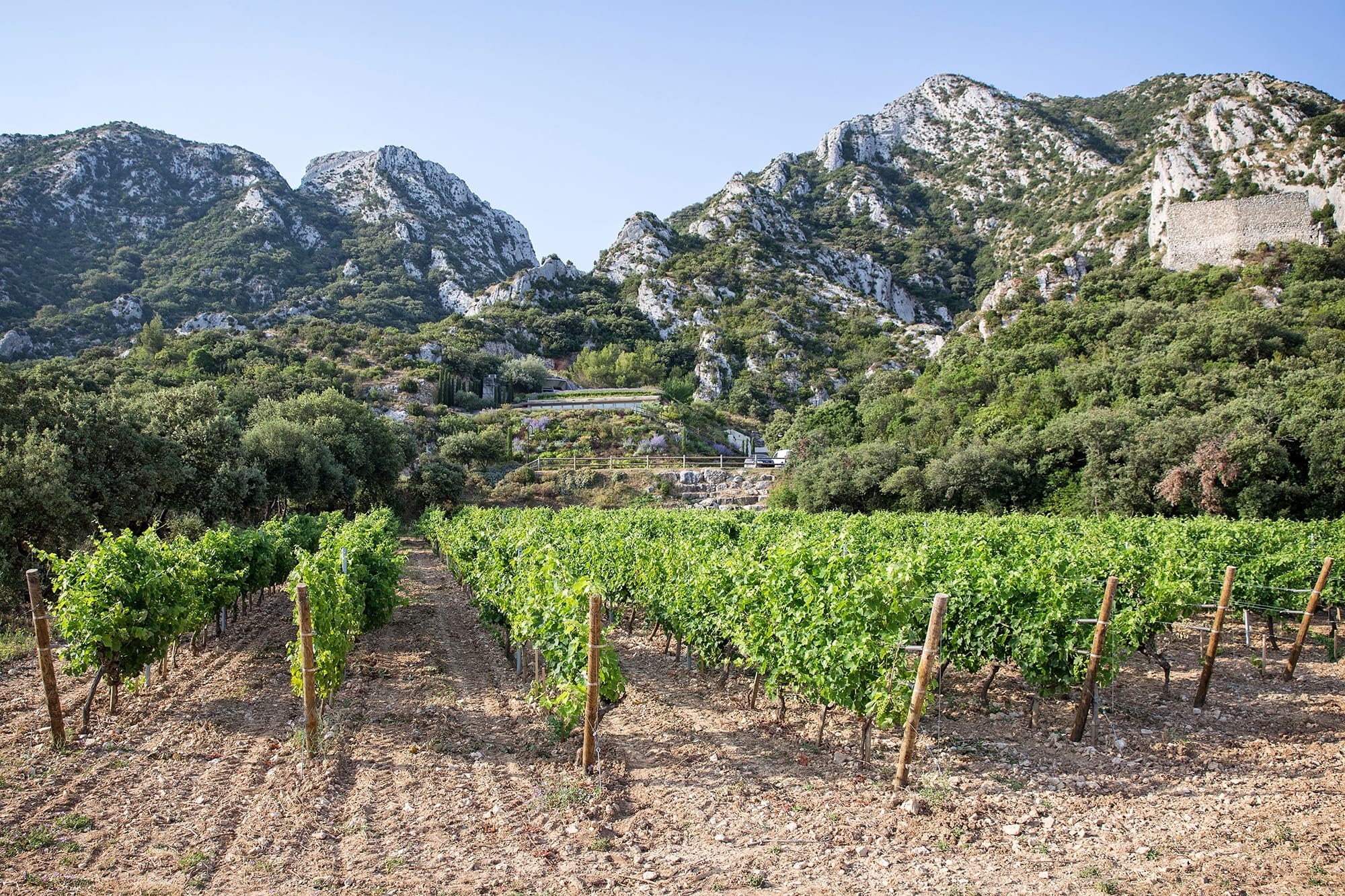
Organic
A Grenache, Syrah and Mourvèdre blend farmed organically below the Alpilles. Soft on the attack, then the Syrah arrives — black cherry, raspberry, a curl of smoke.
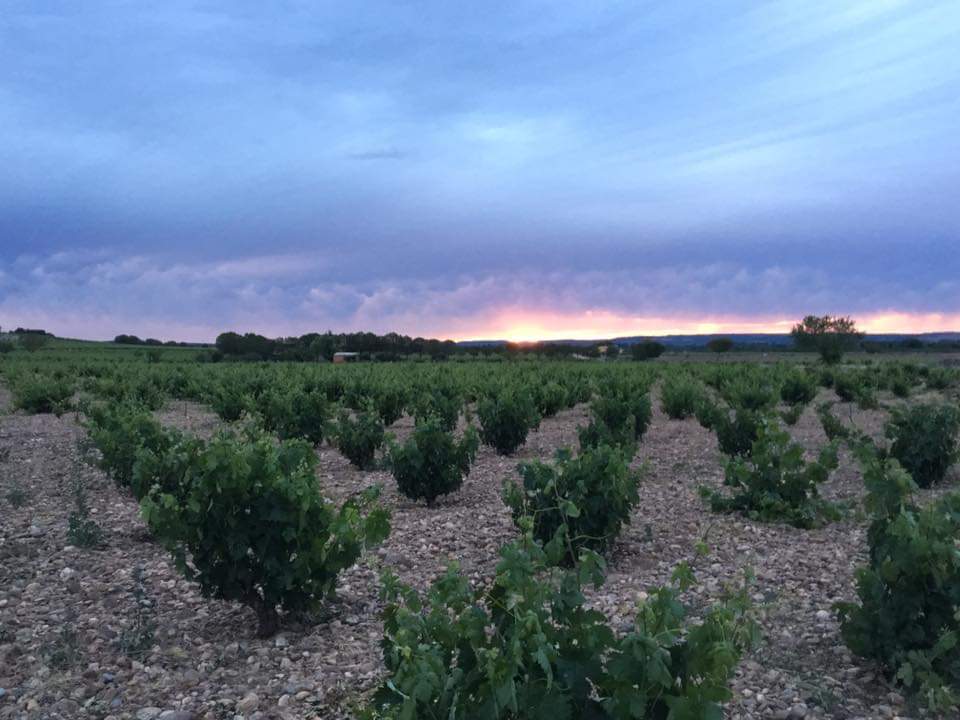
Pre-phylloxera vines
Tinta de Toro from vines that survived the blight that took most of Europe's. Organic, powerful, and far more polished than Toro's reputation would lead you to expect.
Six bottles. Four times a year.
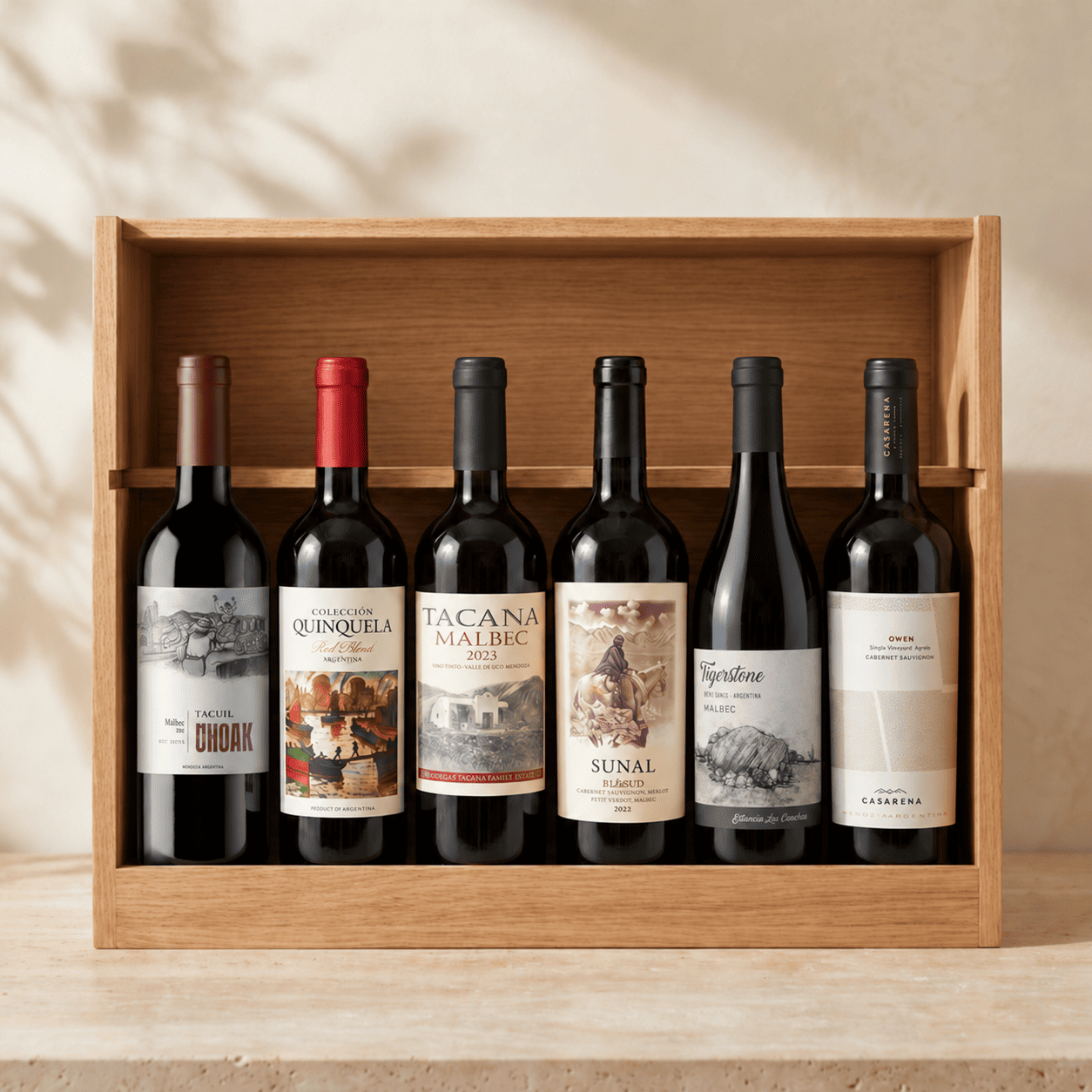 Bonner Private Wine Partnership
Six remote Argentine wines chosen by us, including a bottle of our own Tacana. Plus a regional tasting guide, pairing notes, a sommelier e-book, a tasting video with the winemaker Julien Miquel, and access to member pricing on everything else we import.
Join the Partnership Individual bottles of this kind sell for $34–$70 each on our own siteIf the first box isn't for you, tell us within 30 days and we'll refund it. Keep the wine.
How the Partnership works
Four boxes a year
Six bottles every three months. We tell you what's coming before it ships, so nothing arrives as a surprise.
No commitment
There is no minimum number of shipments. Cancel at any point before a shipment is sent and you owe nothing further.
The first box is on us if you don't like it
Thirty days, full refund, and you keep the bottles. After that, unopened wine returned with corks intact is refunded in full; opened bottles at half.
An adult over 21 must sign for the delivery. We cannot ship to Arkansas, Delaware, Mississippi or Utah, and we cannot deliver to a P.O. box.
Additional fees apply to Alaska and Hawaii.
Introductory price, first shipment only.
I won't pretend this is an investment. My father would be the first to tell you that anything sold to you as both a pleasure and a return is usually neither.
What Gualfín has given us in twenty-one years is not a return on capital. It's a return on experience — a valley, a handful of families who still farm it, a road that tries to kill the truck twice a year, and about two and a half thousand bottles that taste like all of it.
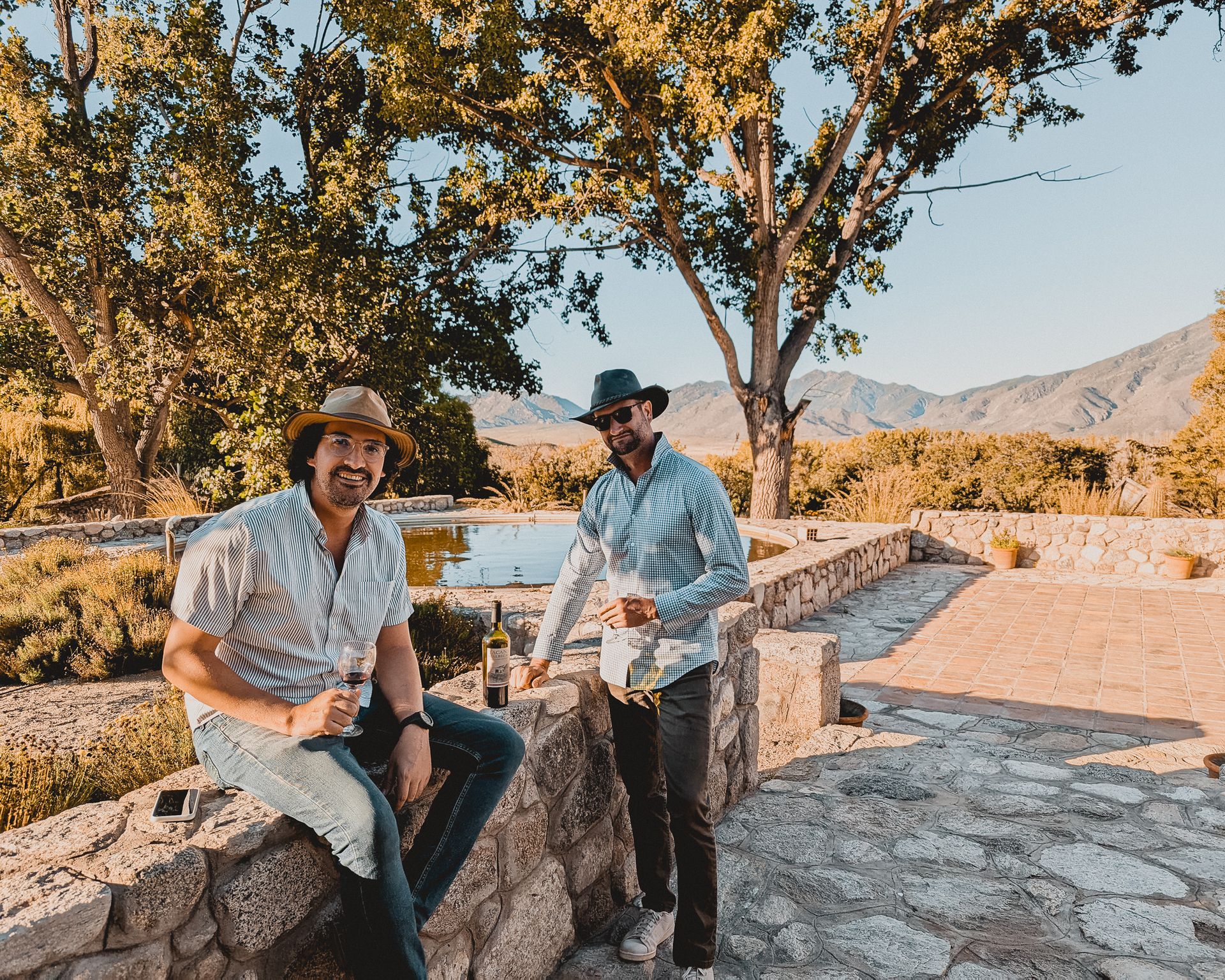
Every time I open one I remember why he dragged me across the world to look at a ruined vineyard at eight thousand feet.
If you'd like to find out what he saw, the next shipment is being packed now.